What Remains of the Polish-Hungarian Friendship? – Conversation Between Polish and Hungarian Politicians
-
 Loading...
 - Kasih Chin
- 17 Jun 2022
- 250 Views
- 0 Like
- 0 Comment
“The past 100 years will not disappear without a trace from the history of Polish-Hungarian relations.” Leading Polish politicians spoke with Balázs Orbán and Zsolt Németh in Budapest: the keyword was ‘understanding,’ but there remained some contrast too..
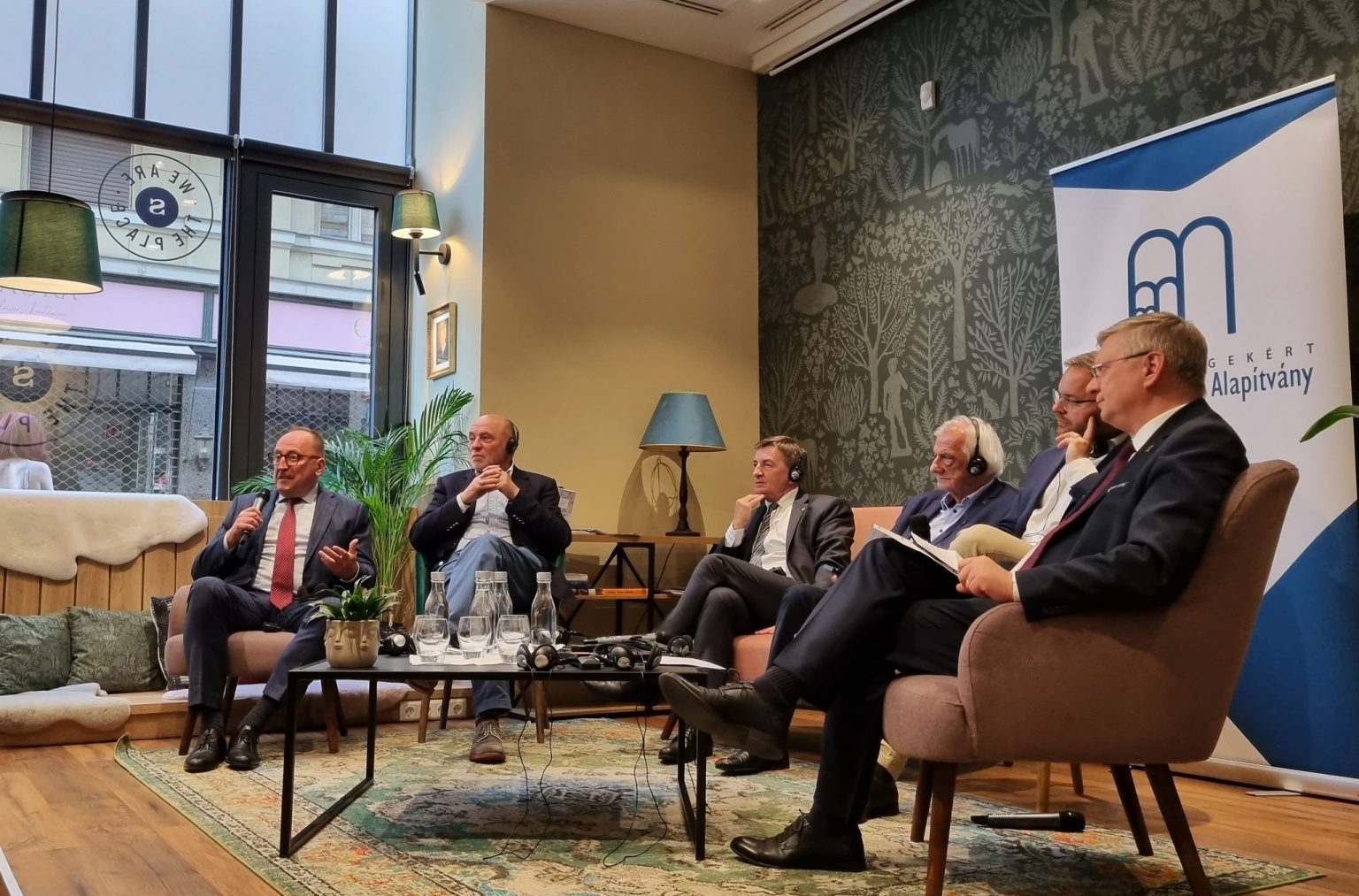
Deputy Speaker of the Polish Parliament (the Sejm), Ryszard Terlecki, President of the Foreign Affairs Committee Marek KuchciÅ„ski, and Polish MEP BogusÅ‚aw Sonik spoke with the political director of Hungarian Prime Minister Balázs Orbán and President of the Foreign Affairs Committee Zsolt Németh.
The exchange of ideas moderated by Maciej Szymanowski, director of the Wacław Felczak Institute for Polish-Hungarian Cooperation in Warsaw, was also marked by kind words and subtle criticism.
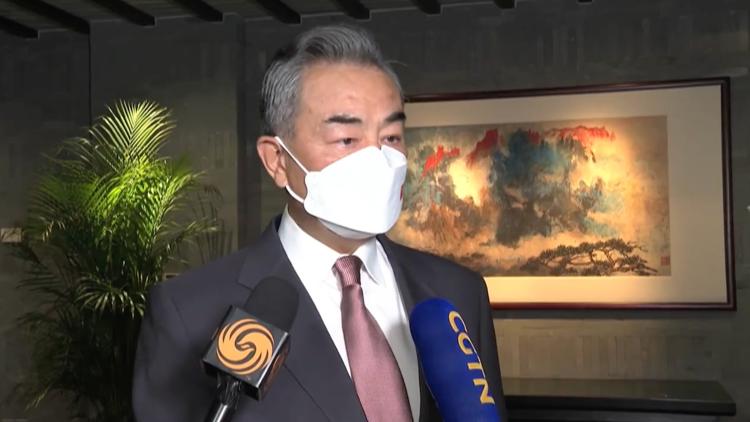
“Survival here depends on nationalism in the good sense. This succeeds those for whom the national interests come first. We will not agree on everything, but with respect and understanding for the other side nothing is lost and Polish-Hungarian friendship is particularly important,” Orbán said.
Zsolt Németh mentioned that for the Poles, the 1980s were the time when many things condensed, which for us Hungarians means 1956, for example. He added:
The past 100 years will not disappear without a trace from the history of Polish-Hungarian relations,which difficult time is also a test for the Polish-Hungarian friendship. He mentioned President Katalin Novák’s first trip, which symbolically, was to Warsaw, and thanked the chairmen of the Sejm for this return visit, which “helps us to understand each other better,” a topic that both sides have always emphasized.
The president of the Hungarian Foreign Policy Committee said that it may sound surprising, but Hungary’s and Poland’s goal regarding Ukraine is identical: to open the doors to the EU to the country and give it candidate status, because the blood, the tens of thousands of victims empower Ukraine to do so.
Conservative Europe, the Europe of nation-states, is a Europe of sovereign nations and does not accept interest theories, the Brezhnev Doctrine, or the restoration of the Soviet Union, rejects the Yalta “Agreement” and supports the Helsinki process, and with Poles there is no alternative but a close, friendly alliance. On how this could be achieved, or the price one should pay for this goal, there are disputes, he added, in which Budapest is cautious, since one should not harm oneself more than the Russians. Read More...