WhatsApp Adds New Privacy Tools, Including Online Activity Controls and the Ability to Silently Leave Group Chats
-
 Loading...
 - Kwasi Mensah
- 10 Aug 2022
- 134 Views
- 0 Like
- 0 Comment
Amid ongoing concerns about how it can be used to organize criminal activity, due to its default encryption process, WhatsApp has announced some additional privacy features, providing even more assurance and control for users, in various respects.
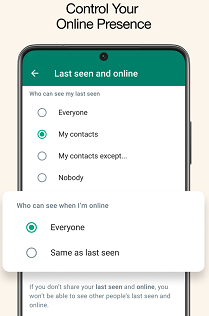
First off, WhatsApp’s giving users more control over how others see them in the app, with the option to switch off online activity markers, or restrict those signals to certain users.
As shown here, you’ll soon be able to decide who can see when you’re online in the app – ‘Everyone’, ‘Contacts’, ‘My Contacts Except’ or ‘Nobody’.
That’ll provide more capacity to avoid unwanted interactions by hiding your active status, which could be of significant value for users who want to go about their interactions in their own time and space.
WhatsApp’s also adding a new option to leave groups silently, so you can skip out of a group chat without alerting all group members.

As you can see, group admins will still know you’ve left the chat, but there won’t be a ‘John Doe has left the discussion’ notification for all users in the thread.
In addition to this, WhatsApp is also extending the time window for deleting your messages from your chats.
And finally, WhatsApp’s also rolling screenshot blocking for ‘View Once’ messages:
“View Once is already an incredibly popular way to share photos or media that don’t need to have a permanent digital record. Now we’re enabling screenshot blocking for View Once messages for an added layer of protection. We’re testing this feature now and are excited to roll it out to users soon.”

That could facilitate even more private sharing on WhatsApp, which may lead to more questionable material being shared. If that’s what people want – though that specific aspect has also been the focus of various authorities, in various regions, who have called on Meta to enable a level of messaging access to authorities, in order to avoid its apps being used for illegal activity, which is currently shielded by its privacy measures. Read More...