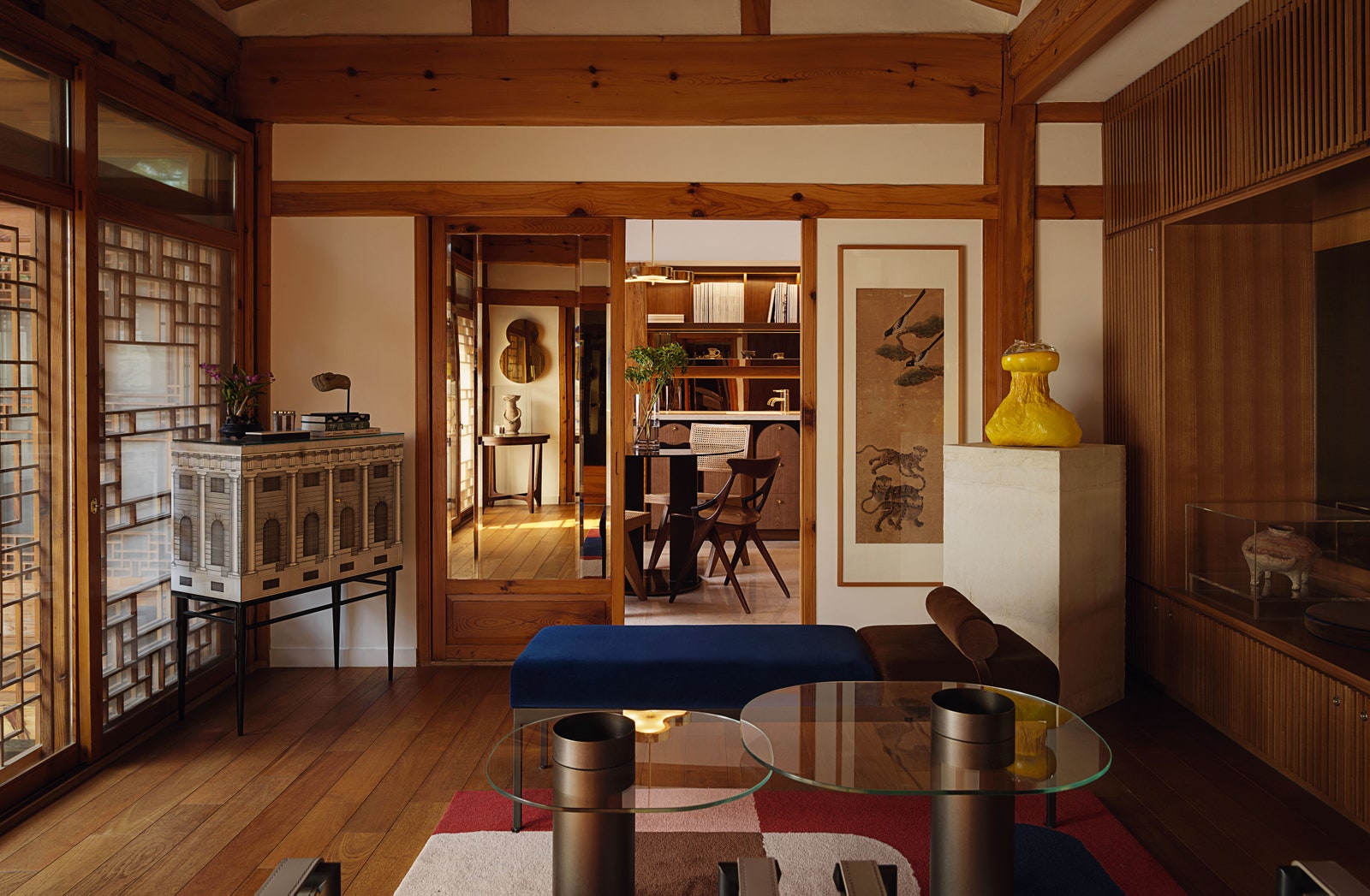
Where Function Meets Style: Korean Interior Design
-
 Loading...
 - Boram Choi
- 11 May 2022
- 311 Views
- 0 Like
- 0 Comment
K-pop, K-beauty and other exports from South Korea have led to this cultural phenomenon’s labeling as the Hallyu wave. From music, art, movies, television dramas to Korean cuisine, fashion and beauty, enthusiasts all over the world have been eating up everything South Korea has to offer. In the interior design world, the narrative is no different. Korean-style interiors have also established a loyal following. With Artsper, investigate Korean interior design: a style deeply rooted in heritage.
So what is the Korean aesthetic?

When we think of Korean interior design, images of minimalistic Tao interiors often come to mind. The style of Korean designers is often centered around practicality, often out of the necessity of creative use of limited space. Widely known for its simplicity, elegance and functionality, Korean style is founded on the principle that less is more. Another founding principle is the use of a few, natural materials in clever craftsmanship will always bring a triumphant outcome. Minimalist sophistication is the desired look of Korean interior design.
Where function meets style

When it comes to picking out individual elements of a room, low level furniture is the choice of many designers who continue in cultural tradition. Whilst still functional, these pieces do not denature a space’s style. The room’s harmony is not disturbed by any one piece of furniture nor do any objects stand out. Style then emerges with functionality. Unlike classic Chinese interiors, Korean interior design does not imply the presence of many decorative objects such as pillows on the sofa. The abundance of furniture is not popular either. Classic Korean apartments do not have a bed frame. At home, one sleeps on a mattress spread on the floor.
The fabric screen embodies this principle of symbiosis between functionality and style. A staple in Korean interiors, the silk screen acts as a divide. Korean design is never dimensionless. The wall hangings and silk screens dilute the harshness of the angular architecture through the provision of texture. These screens serve to decorate as well as divide the space into zones so that a singular room can have multiple spaces.
A decisive rooting in the past
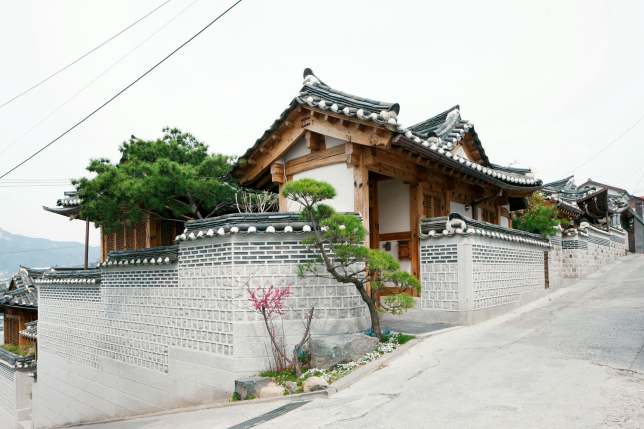
Contemporary Korean design is truly a fascinating place for designers right now as it is a world of paradoxes between western influences and age-old tradition, a blend of modern minimalism with conservative architectural traditions dating back centuries. Many contemporary designers in South Korea cite an awareness of wanting to create architecture that does not offend their heritage. In a bid to create something that belongs to this century, these designers must walk the fine line between revisiting ancient Korean folklore, philosophy and heritage whilst providing their clients with something that is new, modern and refreshing. Read More…


