Why Are Girls Underperforming at Maths?
-
 Loading...
 - Kasih Chin
- 11 Mar 2025
- 25 Views
- 0 Like
- 0 Comment
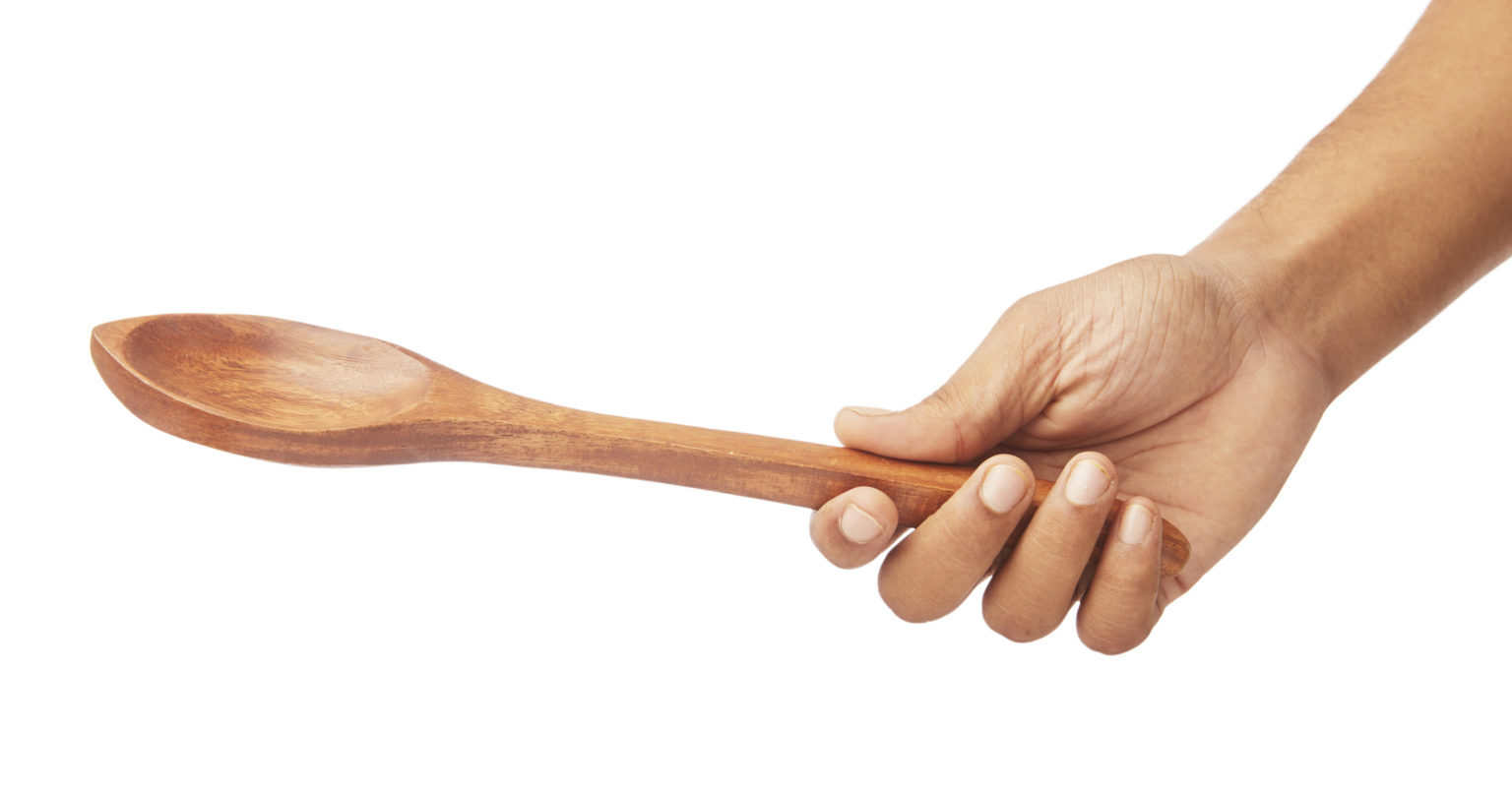
In a world where gender equality is championed and women are breaking glass ceilings in every field imaginable, one question continues to baffle educators, parents, and the occasional bewildered mathematician: Why are girls underperforming at maths? First and foremost, let’s address the age-old belief that girls are simply not wired for numbers. After all, who needs algebra when you can master the art of baking the perfect soufflé? It’s a well-known fact (or so the traditionalists claim) that girls are biologically predisposed to excel in nurturing roles, while boys are destined to conquer the world of calculus. Why waste time on quadratic equations when you can perfect your pie crust? Clearly, the kitchen is where the real magic happens!
The Influence of Role Models
Another popular theory suggests that the lack of female role models in mathematics is to blame. But let’s be honest—who needs a role model when you have a perfectly curated Instagram feed showcasing the latest trends in home décor? Instead of looking up to women like Marie Curie or Ada Lovelace, girls can simply scroll through pictures of influencers posing with their lattes and designer handbags. After all, isn’t that what true empowerment looks like?
The Math Anxiety Epidemic
Math anxiety—the invisible monster lurking in the shadows, ready to pounce on unsuspecting students. It’s often said that girls are more prone to this affliction, but perhaps it’s just a clever ruse to distract them from the real issues at hand. Why confront the complexities of calculus when you can blame your underperformance on a vague sense of dread? It’s much easier to say, “I’m just not good at math” than to face the reality of actually studying.
The Socialization Factor
Let’s not forget the role of socialization in shaping attitudes toward math. From a young age, girls are often encouraged to play with dolls and engage in arts and crafts, while boys are handed building blocks and science kits. This clear division of interests naturally leads to a disparity in mathematical prowess. Who needs to solve equations when you can create a Pinterest-worthy craft project? Clearly, the world needs more DIY enthusiasts and fewer mathematicians.
The Pressure to Conform
In a society that often equates femininity with softness and nurturing, girls may feel pressured to conform to traditional gender roles. Why risk being labeled a “math nerd” when you can embrace the more socially acceptable identity of the “fashionista”? After all, it’s much more fun to discuss the latest trends than to grapple with the intricacies of geometry. Who wants to be the girl who can calculate the area of a triangle when you can be the one who knows the latest lipstick shade?
As we navigate this satirical exploration of why girls are underperforming in math, it becomes clear that the reasons are steeped in outdated stereotypes and societal expectations. While the world has made significant strides toward gender equality, the remnants of these archaic beliefs continue to influence perceptions of girls in mathematics.
To truly address the issue, we must challenge these stereotypes, promote positive role models, and create an environment where girls feel empowered to excel in all subjects, including math. After all, the future is bright, and it’s time for girls to take their rightful place in the world of numbers—right alongside their perfectly baked soufflés.