Why do gyms make things so difficult for blind people?
-
 Loading...
 - Nancy Kruss
- 01 Mar 2021
- 1109 Views
- 0 Like
- 0 Comment
If, like me, you want to keep fit and healthy, your first port of call is usually your local gym or health club. However, if, like me, you are also blind, keeping active can be a minefield of inaccessible technology, awkward conversations and frustrating barriers. And mine is hardly a rare issue: more than two million people in Britain are living with sight loss, and the RNIB predicts this will double by 2050.
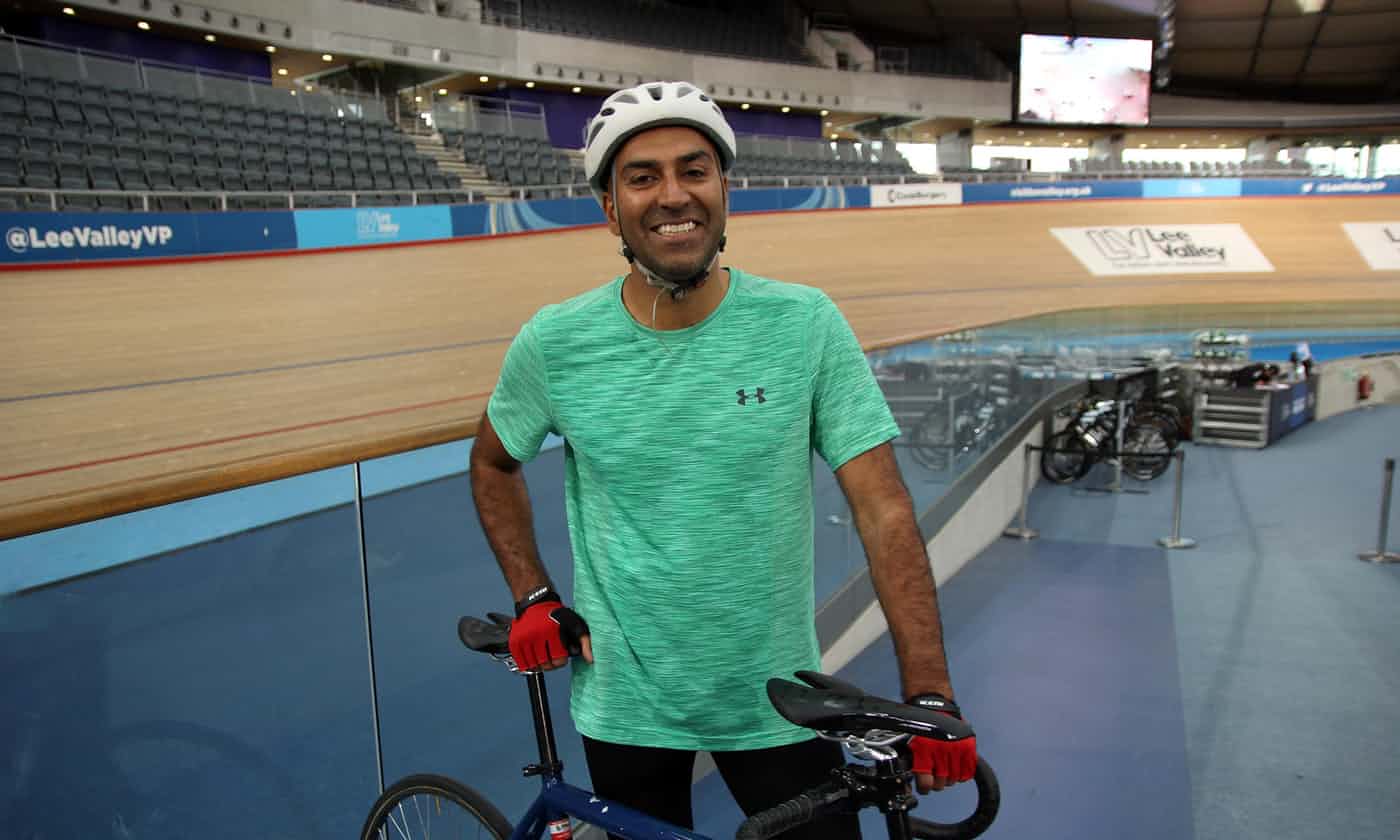
When I was four years old, doctors broke the news to my parents that by my mid-to-late teens, I would become incurably blind. I remember waking up one morning, aged 18, and not being able to see the poster at the end of my bed. I was walking around crashing into things. By this time, my mother had already banned me from riding my bike – though that didn’t stop me – until I rode headfirst into a skip, somersaulted and landed in the rubbish. As I was flying through the air, I realised it was probably best to call time on my cycling career.
Throughout my life, I have had to learn to overcome barriers. People told me I couldn’t become an accountant because I was blind, but I ended up overseeing a team of sighted employees as a management accountant for BT. People told me I couldn’t travel as a solo blind traveller, so I set up Traveleyes, a travel company that pairs up blind and sighted travellers to explore the world together. I lead a lot of these trips as a blind tour manager, often the more active and adventurous ones, so I need to keep fit. If on a trip, I am going to be taking a group cycling for 50km or spending eight hours walking through the Bulgarian mountains, I need to be in good shape.
Exercise is therefore very important to me, as it is with so many of us. But it’s harder for blind and visually impaired (VI) people to walk and exercise freely; jogging in the park or cycling outdoors is impossible on your own. That’s where gyms should come in. Sadly, however, they are often woefully inaccessible and can be daunting for those with sight loss. Let’s start with equipment: exercise tech nowadays is incredibly advanced. All-singing, all-dancing machines can be found in most gyms and they track everything from heart rate to calories burned. Clearly, millions of pounds and thousands of hours have gone into their development and production. And yet it would appear that not a second thought has been given to users with sight loss. Touch screens, inaccessible buttons and lights are all commonplace. Great for you light-dependent folk, but for us VIs, it’s a struggle.
And there really is no excuse – all manner of tech these days, from iPhones to TVs, calculators to washing machines have accessibility built in, so why not exercise machines? It wouldn’t be hard to put some braille on the buttons or have a headphone slot or Bluetooth compatibility for audio, like on most cash machines. Indeed, the simplest solutions are often the best.
But the tech is just the start. Getting from one machine to another, selecting weights and getting proper instruction are all barriers for the blind gym-goer. Not to mention yoga, pilates and spin classes. My sister is taking legal action against her gym for not allowing her to take a class because of her blindness.
Lots of gyms offer a free pass to someone, usually a friend or relative, who can assist you during your workout. This is all well and good, but I can’t always find someone willing to come with me. It’s not fair on me, or my potential guide, to have to compromise on times and dates.
For me, exercising is a very personal thing. I like to listen to music and let my mind wander on a treadmill, or when lifting weights. According to the Royal College of Physicians, if you keep active, you are less likely to be depressed or anxious and more likely to feel good about yourself. And this can be even more pivotal for those with sight loss. A study in 2016 found that more than four in 10 people attending low-vision clinics had symptoms of clinical depression. But inaccessible hurdles leave lots of VI people unable to use the gym to its maximum potential. It’s no surprise that an RNIB survey in 2015 found that 31% of blind and partially sighted people felt moderately or completely cut off from people and things around them, and 50% felt they were frequently limited in the activities they could take part in. Yet nearly two-thirds said they would like to do more physical activity.
At Traveleyes, we are constantly busting myths about what blind people can do. From skiing in the Alps to climbing mountains, sailing and skydiving, we challenge these preconceptions. One initiative we use to help us achieve this is our international schools programme. We take students, aged from 14 to 17, from large schools across the world, and partner them up with our blind travellers to be their sighted guides. This gives them a first-hand experience of blindness, will help to challenge any stereotypical views they may have and hopefully take this experience into later life.
I’m stubborn, though. My philosophy is that if things aren’t accessible, don’t wait until they are. So I roll up my sleeves and work until I’m in a place where I can help change the system. When it comes to fitness, I often work out with a friend who is at a similar level to me, and I also work out at home – expensive equipment is all very well, but you can just add some weights or cardio to your routine.
Working out and keeping healthy works best when it’s also fun, so if you are struggling to keep to an exercise schedule, try something a little bit different, such as paddle boarding or boxing, or take part in a group activity or challenge, to give you that bit of motivation you need. We all live busy lives, but I learned that it is easier than you think to fit exercises into your daily routine. And if there are any gyms or health clubs out there that want pointers on how to be more accessible, or any VI people who want to talk about exercise, working out or keeping active, I am always happy to talk.


