Why Ethiopia must close its political gender gap
-
 Loading...
 - Kusi Gyimah
- 11 Aug 2022
- 96 Views
- 0 Like
- 0 Comment
At the end of 2021, Prime Minister Abiy Ahmed’s government announced the formation of a three-year national dialogue to address Ethiopia’s political crisis, looking at the ongoing civil war and conflict, inflation, unemployment, drought and other urgent domestic issues.
But, while efforts have been made to ensure the participation of women in this dialogue, it must be more than symbolic otherwise gaps in meaningful gender inclusion could have significant implications on the very survival of the country.
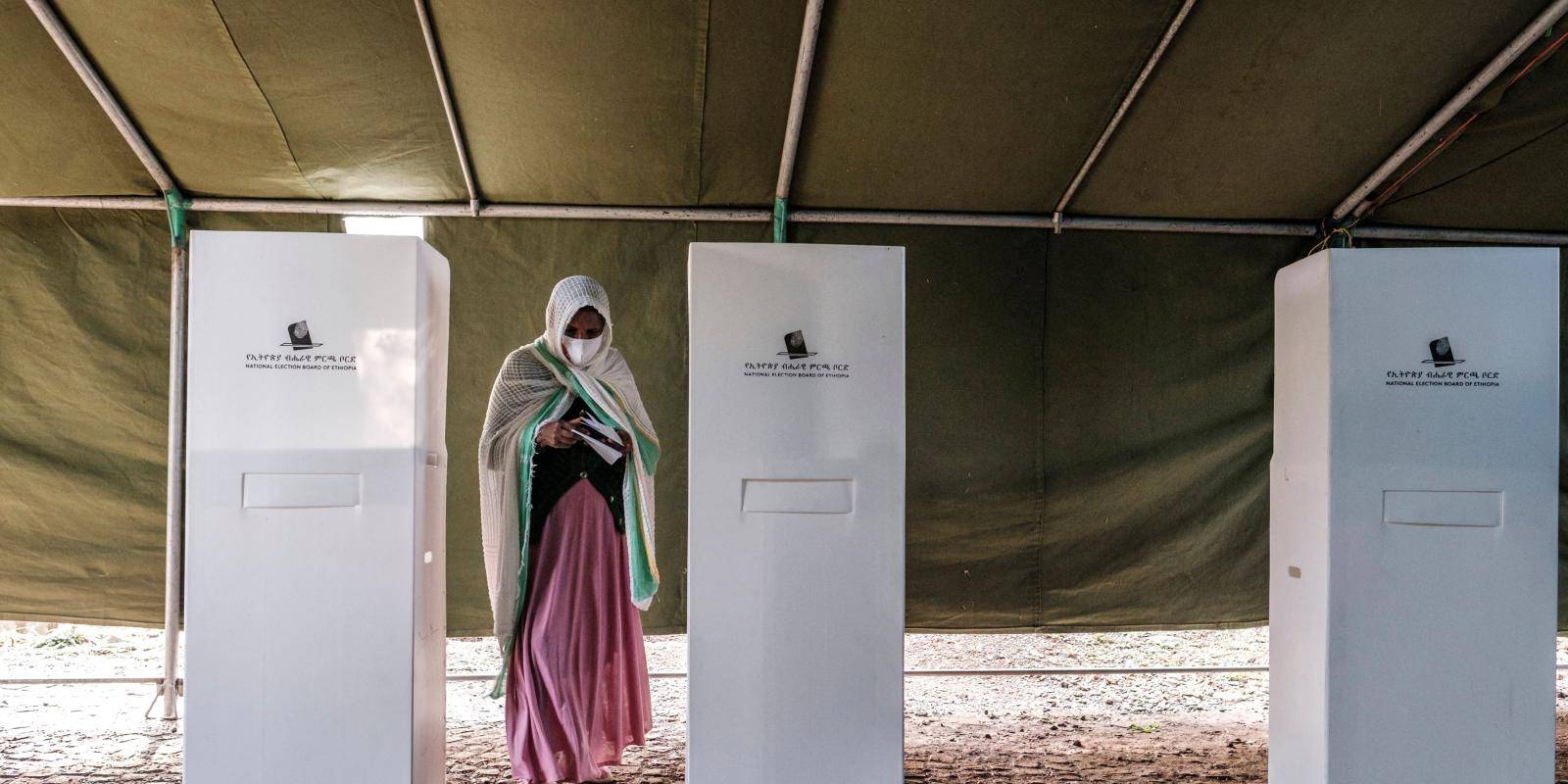
One of the challenges for meaningful inclusion is that Ethiopia is a highly patriarchal society. Patriarchal norms and practices permeate all aspects of the country’s social, economic and political life. Women constitute over half of the Ethiopian population and represent 41 per cent of the national parliament.
Nevertheless, most political parties, including those with liberal credentials, are exclusively governed by men, with women taking almost no part in key decision-making processes. As a result, women are relegated to the margins of political and economic activities.
The nature and scale of political violence perpetrated against women is particularly disempowering and affects their ability to participate in political spaces. Read More...