Why Film Photography is the Antithesis of AI Art
-
 Loading...
 - David Smith
- 13 Feb 2023
- 58 Views
- 0 Like
- 0 Comment
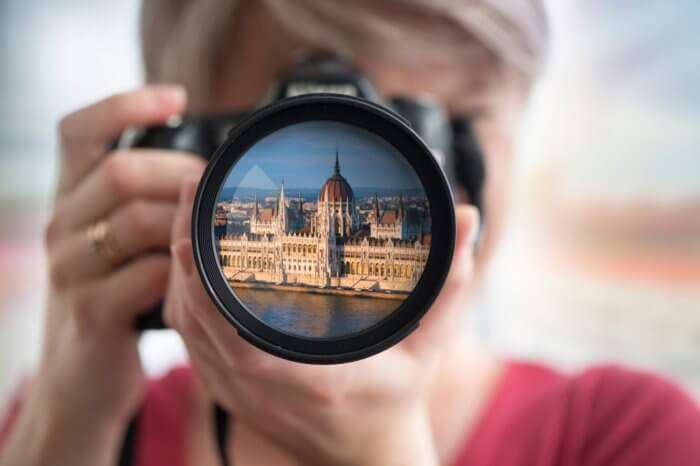
The camera is a reasonably recent image-creation tool; compared to millennia of paintings, drawings, carvings, and illustrations, we have only a few hundred years of photographs and photographic development. What photography offers compared to those ancient arts is (relative) immediacy and accuracy.
You can produce a hyper-realistic, hyper-accurate, photographic-seeming drawing, but it will take time. Or you can create a fast sketch, as a courtroom artist may produce, but this is unlikely to be hyper-realistic, usually more impressionistic.
The camera is the tool that can offer immediacy and accuracy in the depiction of whatever is in front of the lens. While digital paintings, hyper-realistic renderings via CGI, and even freehand pencil work can result in an image that represents reality as accurately as a camera, they can also offer something the camera cannot – imagery that exists beyond the scope of the lens, or even physical, current reality.
These forms of art can allow the user to depict imagery that would otherwise exist only in their mind’s eye. When Dali wants melting clocks, he prepares his canvas; when a photographer wants melting clocks, they must prepare some kind of industrial oven.
The Allure of AI Image Generators
For creators who wish to conjure imagery from their mind’s eye, AI generation offers an incredible value proposition. The only ability needed from the operator is translation, in order to describe and refine the right adjectives and parameters leading to the desired results.
AI imagery is as good as the prompt, or input, allows it to be. Someone with a poor ability to articulate their vision will struggle to bring their imagination to the screen. You may be an incredible visual artist, but a poor grasp of linguistics will prevent you from being able to describe in such a way that the machine system can produce the visual. Read More…