Why Freight Technology is the Future of Global Trade

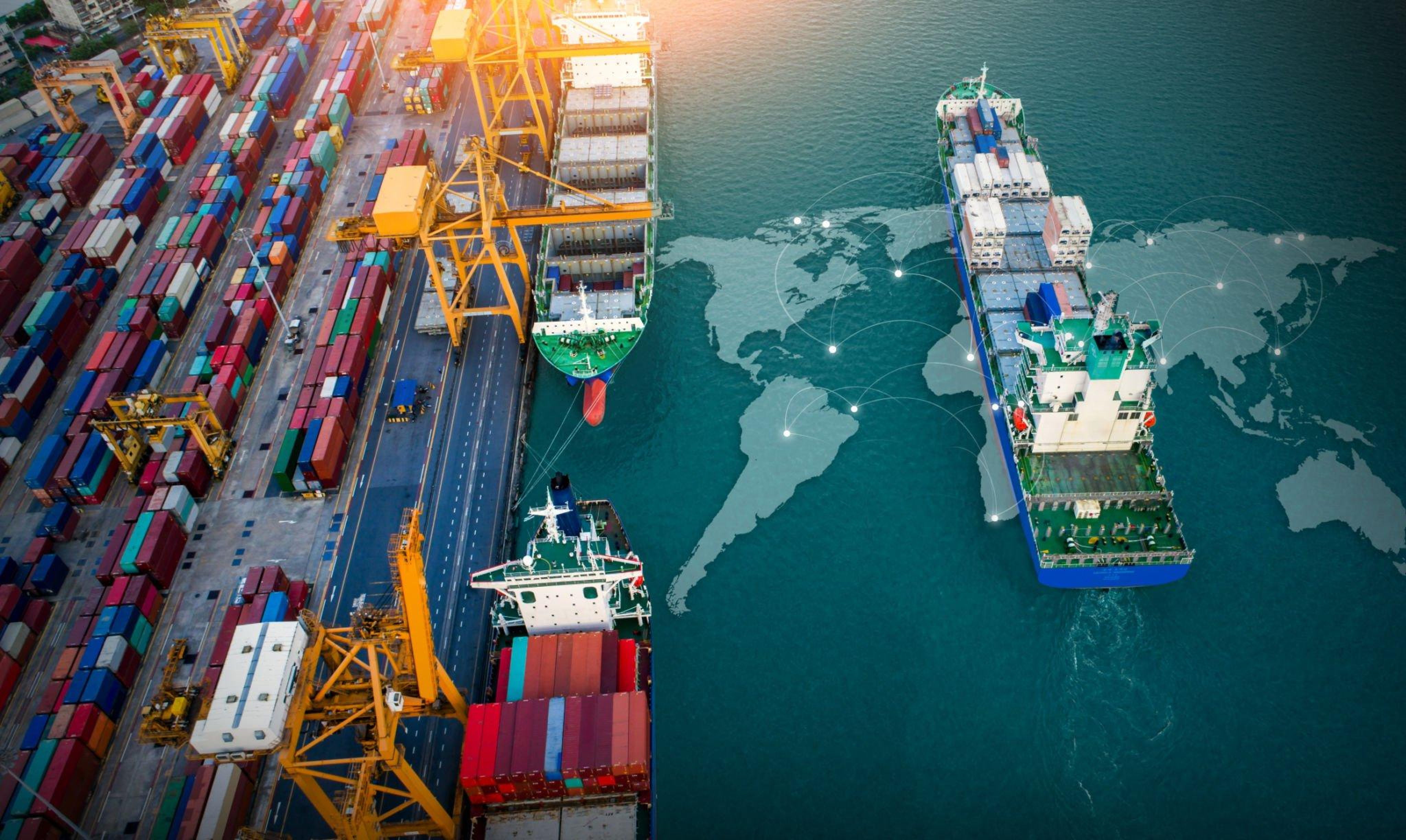
Freight technology is revolutionizing global trade by streamlining supply chains, enhancing logistics efficiency, and reducing costs. From advanced tracking and real-time data analytics to autonomous vehicles and blockchain, these innovations are poised to shape the future of trade, fostering greater connectivity, transparency, and sustainability in the movement of goods worldwide.
Freight technology is one of the major forces driving the rapid evolution of the world of international trade. The incorporation of cutting-edge technologies is becoming more and more crucial as a result of the numerous issues that the global logistics sector is facing, such as capacity limitations and supply chain interruptions. In this piece, we'll look at the importance of freight technology in the global economy and how it's changing the way business is done.
⦿ Increased Transparency and Visibility :
In the intricate web of global supply chains, visibility and transparency are non-negotiable. Freight Technology delivers real time tracking and monitoring, granting shippers and carriers the ability to track their shipments at every stage. This newfound transparency minimizes the risks associated with lost or damaged goods and empowers businesses with data-driven decision making.
⦿ Enviromental Sustainability :
The freight industry is under growing scrutiny for its environmental impact. Freight Technology is the harbinger of change, introducing eco-friendly solutions such as electric and autonomous vehicles, emission-reducing route optimization, and the promotion of alternative fuels. Embracing these technological advancements, companies can not only cut costs but also champion a greener, more sustainable future.
⦿ Global Connectivity :
In our increasingly interconnected world, Freight Technology is breaking down geographical barriers. Cloud-based platforms, digital marketplaces, and online freight booking systems facilitate global connectivity, empowering businesses to expand their markets and reach customers worldwide. This connectivity is crucial for companies of all sizes looking to participate in international trade.
⦿ Complaince and Security :
Navigating the ever-evolving landscape of global trade regulations is a complex task. Freight Technology incorporates essential features for compliance and security. This ensures that businesses can engage in international trade with confidence, knowing they are adhering to all legal requirements regarding customs, tariffs, and trade regulations. Freight Technology promotes secure transportation by enabling companies to implement advanced security measures.
⦿ Conclusion :
In conclusion, freight technology is poised to be the next major disruptor in global trade. It is reshaping the logistics industry by improving efficiency, transparency, and sustainability. With the adoption of these technologies, businesses can position themselves at the forefront of the evolving global trade landscape, capitalizing on new opportunities and staying ahead of the competition. The future of global trade is digital, and those who embrace freight technology will reap the rewards of this transformative journey.