Why Helminth Ova Analysis is Essential for Wastewater Treatment

Wastewater treatment is a critical process for safeguarding public health and protecting the environment. Among the many contaminants found in wastewater, helminth ova pose a unique challenge due to their resilience and potential health risks.
Wastewater treatment is a critical process for safeguarding public health and protecting the environment. Among the many contaminants found in wastewater, helminth ova pose a unique challenge due to their resilience and potential health risks. Conducting Helminth Ova Analysis is essential to ensure the effectiveness of wastewater treatment processes and to meet regulatory standards. Let’s explore why this analysis is crucial and how it contributes to wastewater management.
What Are Helminth Ova?
Helminth ova are the eggs of parasitic worms, including species like roundworms, tapeworms, and flukes. These eggs are highly resistant to environmental conditions and can survive in wastewater for extended periods. If not properly treated, helminth ova can contaminate water sources, soil, and crops, posing significant health risks to humans and animals.
The Importance of Helminth Ova Analysis
- Ensuring Public Health
Helminth infections can lead to severe health issues, including malnutrition, organ damage, and impaired cognitive development, especially in vulnerable populations. By performing Helminth Ova Analysis, wastewater treatment facilities can identify and eliminate these pathogens, reducing the risk of transmission through water and food sources.
- Meeting Regulatory Standards
Many countries have established strict guidelines for helminth ova levels in treated wastewater, particularly when it is reused for irrigation or other purposes. Regular analysis ensures compliance with these standards, helping facilities avoid penalties and maintain operational credibility.
- Improving Treatment Efficiency
Analyzing the concentration of helminth ova in wastewater helps facilities assess the efficiency of their treatment processes. This data is crucial for optimizing operations and ensuring that advanced treatment methods, such as filtration or disinfection, are effectively removing these resilient pathogens.
- Protecting Agricultural Practices
In many regions, treated wastewater is reused for agricultural irrigation. If helminth ova are not adequately removed, they can contaminate crops and soil, leading to foodborne illnesses. Helminth Ova Analysis ensures that treated wastewater is safe for agricultural use, supporting sustainable farming practices.
Methods for Helminth Ova Analysis
- Sedimentation Techniques
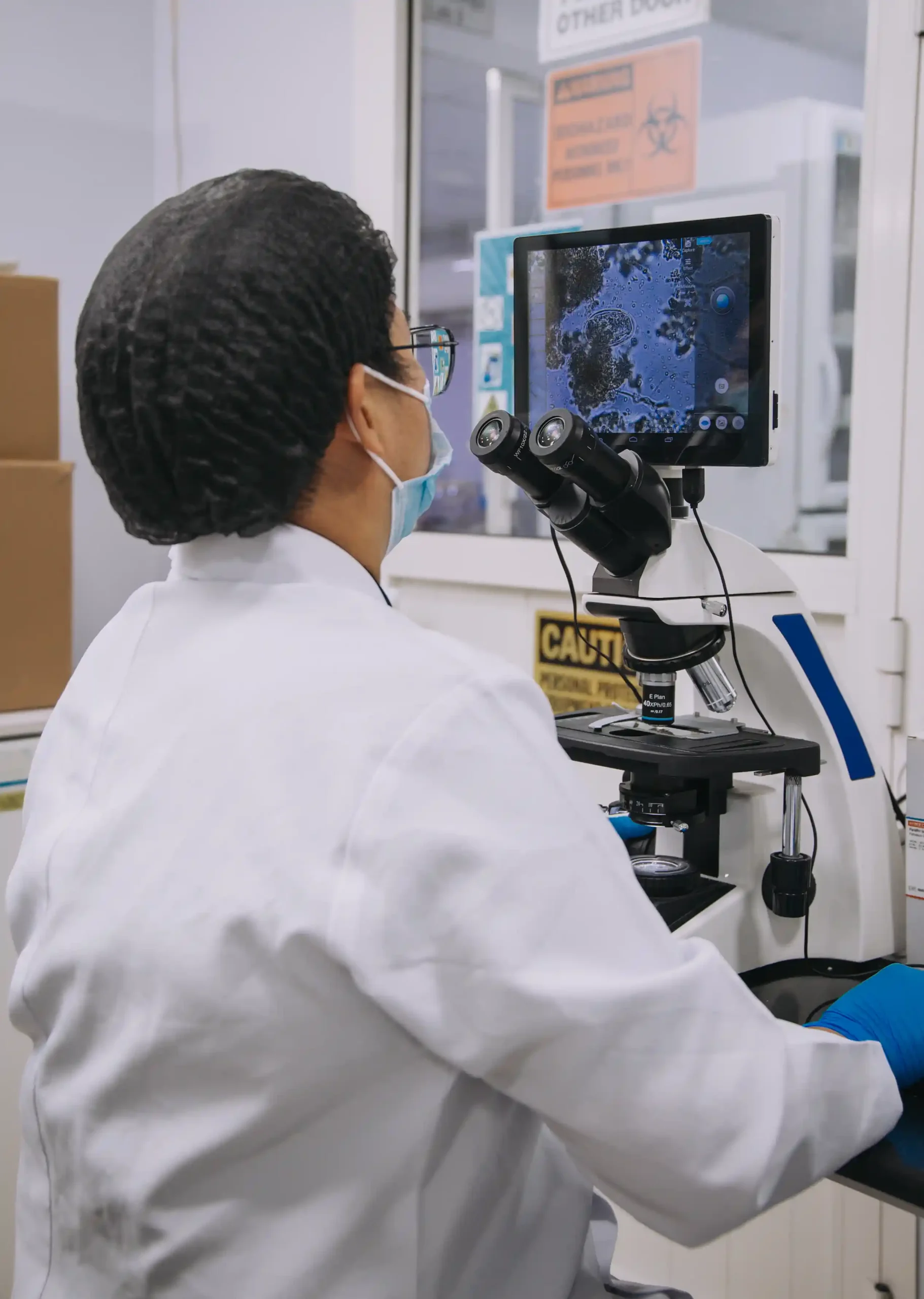
Sedimentation is one of the most commonly used methods for detecting helminth ova in wastewater. This process involves concentrating the ova by allowing them to settle at the bottom of a sample, making them easier to identify under a microscope.
- Flotation Techniques
Flotation methods use density gradients to separate helminth ova from other particles in the sample. This technique is particularly effective for isolating ova with specific densities.
- Molecular Methods
Advanced molecular techniques, such as polymerase chain reaction (PCR), are increasingly being used for helminth ova detection. These methods offer high sensitivity and specificity, enabling the identification of different helminth species.
Challenges in Helminth Ova Analysis
While Helminth Ova Analysis is essential, it does come with challenges. These include:
- The time-consuming nature of traditional methods
- The need for skilled personnel to conduct microscopic examinations
- Variability in ova concentration across different wastewater samples
Advancements in automated and molecular techniques are helping to address these challenges, making analysis more efficient and accurate.
Final Thoughts
Helminth ova are a persistent threat in untreated wastewater, and their removal is vital for protecting public health, the environment, and agricultural practices. By incorporating Helminth Ova Analysis into wastewater treatment protocols, facilities can ensure compliance with regulations, optimize treatment processes, and contribute to a safer and healthier ecosystem.
At CoreLab, we specialize in advanced wastewater testing, including Helminth Ova Analysis. Contact us today to learn more about our services and how we can support your wastewater treatment goals.