‘Wildlife conservation bearing fruits’
-
 Loading...
 - Joe Bosire
- 09 May 2023
- 70 Views
- 0 Like
- 0 Comment
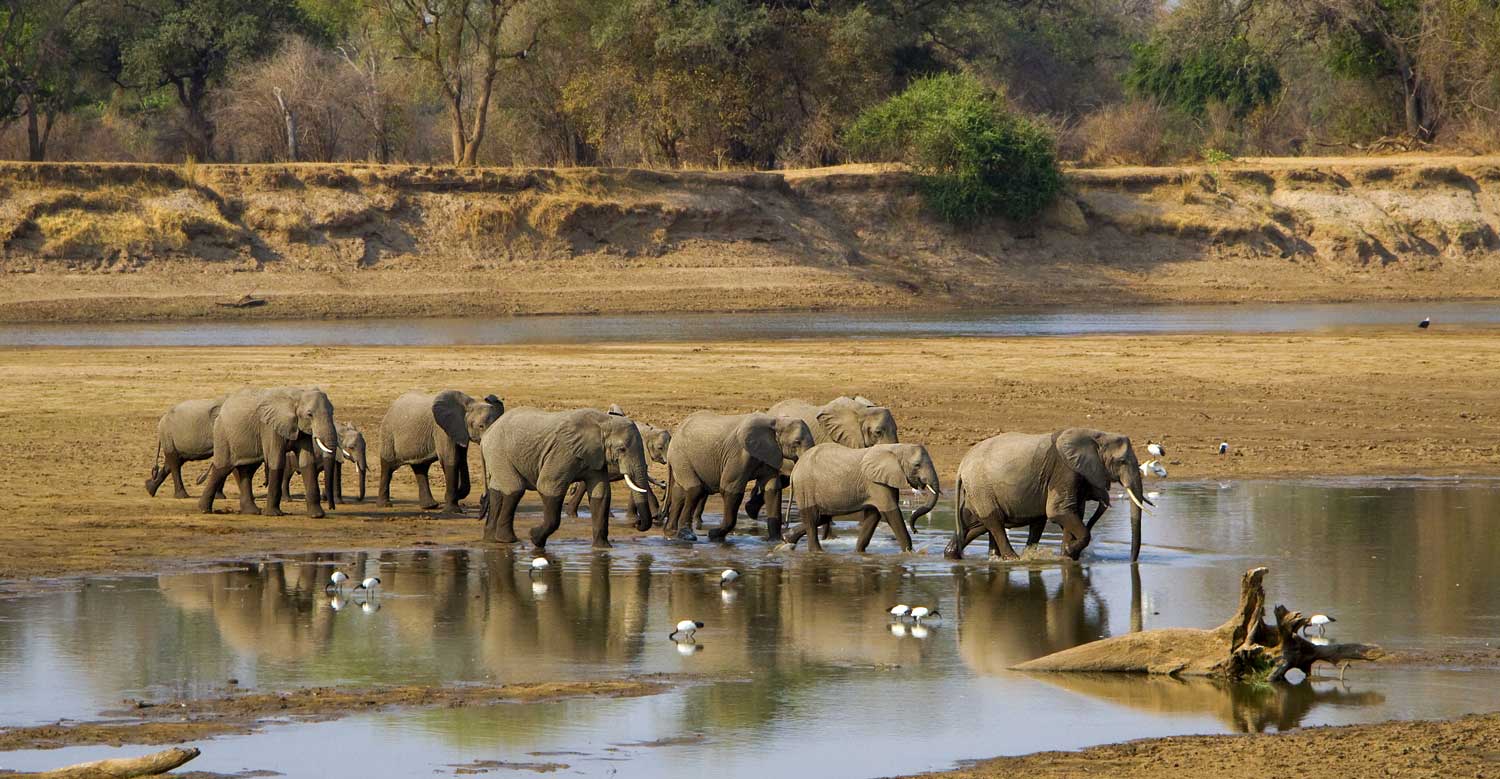
Zimbabwe's efforts to protect and nurture its wildlife are yielding positive results, especially in elephant conservation, according to Olivia Mufute, the African Wildlife Foundation's country director.
Speaking at a pass-out parade for 15 rangers from the Zimbabwe Parks and Wildlife Management Authority (ZimParks) and officials from the Zimbabwe National Army (ZNA) Boat Squadron Regiment at Moth Camp in Kariba, Mufute said that most protected areas have recorded impressive outcomes. She further highlighted that Zimbabwe has not experienced any incidences of elephant poaching in protected areas such as Mana Pools.
Mufute also pointed out that the advanced coxswain training, coupled with the use of spatial monitoring and reporting tools, court procedures training, and trans-boundary joint river patrols, has been critical to the conservation of species.
She expressed her satisfaction that the African Wildlife Foundation has championed cordial relations between Zimbabwe and Zambia's wildlife conservation law enforcement agents.
She believes that this development promotes effective anti-poaching efforts in the mid-Zambezi Valley and significantly contributes to conserving wildlife by reducing poaching and trafficking, which are major causes of the decline of key wildlife species.
The Director-General of ZimParks, Fulton Upenyu Mangwanya, represented by Operations Director Arthur Musakwa, expressed his organization's gratitude for the support it was receiving from partners.
He specifically thanked the African Wildlife Foundation for its support and funding for the conservation of wildlife and fish in Zimbabwe.
The partnership between the two organizations, supported by the European Union through funding from the Convention on International Trade in Endangered Species of Wild Fauna and Flora, Monitoring the Illegal Killing of Elephants, aims to train and equip wildlife law enforcement officers with the necessary skills for conducting river patrols.
The 15 officers, comprising two females and ten males from ZimParks and three males from the ZNA Boat Squadron Regiment, underwent a three-week training course. They were equipped with knowledge on conservation ecology, boat operations, handling of suspects, observing human rights in anti-poaching work, weapon handling, and many other issues critical for river-related patrols.