Will Crypto Rise Again – and What to do While Waiting
-
 Loading...
 - Jantina Tueling
- 10 Feb 2023
- 69 Views
- 0 Like
- 0 Comment
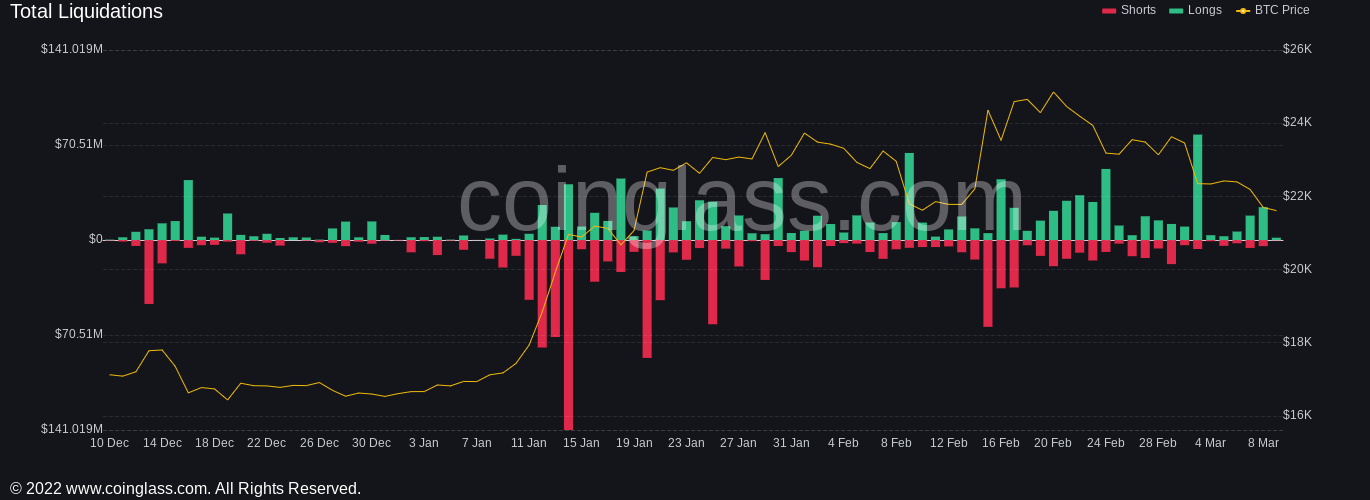
Since 2020, the crypto market has experienced the most important bear season in its history (coindesk), with the toughest wave persisting throughout 2022. From an all-time high of nearly $69,000 back in November 2021, bitcoin now trades at around $20,000. And that’s only because it has made some recent gains. For weeks, the price hovered below that mark. The same goes for Ethereum, dropping from an all-time high of almost $5,000 to about $1,500 now. The story is even worse for altcoins as well as NFTs, which are mostly priced in cryptocurrency.
This extended bear run has resurrected questions as to whether the whole crypto craze is a bubble after all. Yet, the peculiar challenges of the industry do not warrant an uncritical dismissal.
To understand the current crypto dip, it is important to explore all the past ways the market has fallen, with one starting between 2020 and 2021 after a relatively solid 2019. It all started with COVID-19, one might say, but the constant uncertainty of the past several months has brought the question to the fore as to the viability of the crypto economy amidst various global incidents and critical market variables.
Why the Dip?
Like every major downturn before this, the latest crypto market slump is due to multiple factors. On the one hand, there is the challenge of high inflation, which the Federal Reserve has failed to halt, despite increasing interest rates. The latest raise, to 3.9%, came on November 3, and experts predict that the rate might go as high as 5% by March 2023. Many retail investors who have come to believe in crypto as a hedge against inflation are coming to terms with how crypto behavior is similar to traditional asset classes, especially stocks.
On the other hand, the recent escalation of the Russia-Ukraine conflict was an abrupt new dimension to the geopolitical tension in Europe that has destabilized the market. Beyond that, the war has also exposed how vulnerable cryptocurrencies are to government regulation. Read More…