Will WhatsApp really be banned in the UK?
-
 Loading...
 - J. Oliveira
- 15 Jul 2020
- 1012 Views
- 0 Like
- 0 Comment
WhatsApp is one of the most popular instant messaging apps in the world, with more than 800 million monthly active users, but controversial new legislation could see the app banned in the UK unless the company agrees to give British intelligence agencies access to encrypted comminications.
Home Secretary Theresa May has announced that a draft for a new Data Retention and Investigatory Powers Act (DRIPA) will be published in the Autumn, with a view to introducing a Bill early in the New Year, or by December 2016 at the latest.
DRIPA builds on the proposals put forward in the Communications Data Bill – better known as the "Snooper's Charter" – which was first introduced to parliament in May 2012, but blocked at the last minute by the Liberal Democrats under the coalition government.
The Communications Data Bill proposed that communications service providers should store all details of online communication in the UK – including the time, duration, sender and recipient of a communication, and the location of the device from which it was made – for 12 months.
This would include, for the first time, details of messages sent on social media, webmail, voice calls over the internet and gaming, in addition to emails and phone calls.

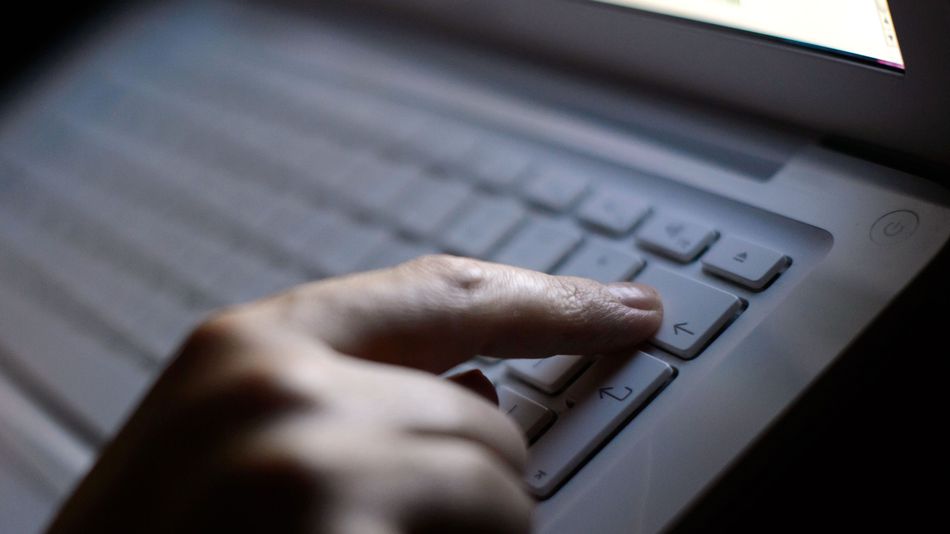
Above: Security services are increasingly concerned by the high levels of encryption on smartphone apps
The police, the Serious and Organised Crime Agency, the intelligence agencies and HM Revenue and Customs would all be able to access this data without the permission of a judge, as long as they are investigating a crime or protecting national security. They would also be able to see the content of any messages by obtaining a warrant from the Home Secretary.
Former Liberal Democrat leader Nick Clegg, said the plans were unworkable because they represented a "significant reduction in personal privacy". However, the Prime Minister hinted at his desire to revive the legislation in the aftermath of the Charlie Hebdo attack in Paris earlier this year.
"In our country, do we want to allow a means of communication between people which even in extremes, with a signed warrant from the Home Secretary personally that we cannot read," David Cameron said in January.
"My answer to that question is no, we must not. If I am Prime Minister, I will make sure it is a comprehensive piece of legislation that makes sure we do not allow terrorist safe spaces to communicate with each other."
If the legislation is passed, Whatsapp, Snapchat, iMessage and other popular apps that use end-to-end encryption will be forced to hand over messages to intelligence agencies, if the sender of those messages is under suspicion. If they refuse, they could potentially be banned in the UK.
WhatsApp, in particular, has made much of its encryption software in recent months, claiming that it is almost impossible for hackers or even the company itself to read messages sent using the app. This is because its Textsecure software jumbles messages using a cryptographic key that is stored on the device the messages are sent from.
It would therefore be regarded as a major u-turn if WhatsApp was to grant access to UK law enforcement, and would potentially undermine its security claims.
However, if the government was to ban WhatsApp in the UK, it would lead to an outcry among users, many of whom have come to rely on the app for their day-to-day communications.

Above: David Cameron says terrorists should not have safe spaces to communicate
"Although the government has talked about the need to break encryption, there have been no clear explanation of how they plan to do this – probably because it’s an unworkable idea that could threaten many of the things we do on a a daily basis, like shopping and banking," said Jim Killock, executive director of Open Rights Group.
"Apart from the economic consequences, ‘banning’ popular platforms like WhatsApp would be ludicrous and would undermine any claims that the UK is a world leader when it comes to digital technology.
"Another flawed approach would be to place pressure on software providers to ensure that content is decrypted at certain stages, or that their software allows access to content on instruction. This can only work if a provider controls all of the software, so would be impossible to enforce if protocols and code are openly produced.”
The Home Office admitted there are a lot of technical issues that still need to be worked out, but reiterated Mr Cameron's assertion that there shouldn’t be a guaranteed "safe space" for terrorists, criminals and paedophiles to operate beyond the reach of law.
“We recognise the importance of encryption: it keeps people’s personal data and intellectual property secure and ensures safe online commerce. But clearly as technology evolves at an ever increasing rate, it is only right that we make sure we keep our citizens safe," a Home Office spokesperson said.
“The Government is clear we need to find a way to work with industry as technology develops to ensure that, with clear oversight and a robust legal framework, the police and intelligence agencies have the powers they need to resolve investigations and prevent criminal acts."

Above: Encryption prevents private messages from being intercepted
WhatsApp, and its parent company Facebook, declined to comment on whether they would be willing to concede to the UK government's demands for data. However, Facebook already receives thousands of UK government requests for user data, and complies with about 75pc of them.
Earlier this year, Facebook's head of global policy management, Monika Bickertwith, said that the company will continue to scrutinise each government request and push back when it finds deficiencies.
"We will also continue to push governments around the world to reform their surveillance practices in a way that maintains the safety and security of their people while ensuring their rights and freedoms are protected," she said at the time.
Given Facebook's policy on complying with government data requests, WhatsApp is likely to end up complying too – although it won't go down without a fight. Ultimately, the government knows that banning WhatsApp in the UK would be a PR disaster, so it is in its interests to ensure that a compromise is met.