Home Upload Photo Upload Videos Write a Blog Analytics Messaging Streaming Create Adverts Creators Program
Bebuzee Afghanistan Bebuzee Albania Bebuzee Algeria Bebuzee Andorra Bebuzee Angola Bebuzee Antigua and Barbuda Bebuzee Argentina Bebuzee Armenia Bebuzee Australia Bebuzee Austria Bebuzee Azerbaijan Bebuzee Bahamas Bebuzee Bahrain Bebuzee Bangladesh Bebuzee Barbados Bebuzee Belarus Bebuzee Belgium Bebuzee Belize Bebuzee Benin Bebuzee Bhutan Bebuzee Bolivia Bebuzee Bosnia and Herzegovina Bebuzee Botswana Bebuzee Brazil Bebuzee Brunei Bebuzee Bulgaria Bebuzee Burkina Faso Bebuzee Burundi Bebuzee Cabo Verde Bebuzee Cambodia Bebuzee Cameroon Bebuzee Canada Bebuzee Central African Republic Bebuzee Chad Bebuzee Chile Bebuzee China Bebuzee Colombia Bebuzee Comoros Bebuzee Costa Rica Bebuzee Côte d'Ivoire Bebuzee Croatia Bebuzee Cuba Bebuzee Cyprus Bebuzee Czech Republic Bebuzee Democratic Republic of the Congo Bebuzee Denmark Bebuzee Djibouti Bebuzee Dominica Bebuzee Dominican Republic Bebuzee Ecuador Bebuzee Egypt Bebuzee El Salvador Bebuzee Equatorial Guinea Bebuzee Eritrea Bebuzee Estonia Bebuzee Eswatini Bebuzee Ethiopia Bebuzee Fiji Bebuzee Finland Bebuzee France Bebuzee Gabon Bebuzee Gambia Bebuzee Georgia Bebuzee Germany Bebuzee Ghana Bebuzee Greece Bebuzee Grenada Bebuzee Guatemala Bebuzee Guinea Bebuzee Guinea-Bissau Bebuzee Guyana Bebuzee Haiti Bebuzee Honduras Bebuzee Hong Kong Bebuzee Hungary Bebuzee Iceland Bebuzee India Bebuzee Indonesia Bebuzee Iran Bebuzee Iraq Bebuzee Ireland Bebuzee Israel Bebuzee Italy Bebuzee Jamaica Bebuzee Japan Bebuzee Jordan Bebuzee Kazakhstan Bebuzee Kenya Bebuzee Kiribati Bebuzee Kuwait Bebuzee Kyrgyzstan Bebuzee Laos Bebuzee Latvia Bebuzee Lebanon Bebuzee Lesotho Bebuzee Liberia Bebuzee Libya Bebuzee Liechtenstein Bebuzee Lithuania Bebuzee Luxembourg Bebuzee Madagascar Bebuzee Malawi Bebuzee Malaysia Bebuzee Maldives Bebuzee Mali Bebuzee Malta Bebuzee Marshall Islands Bebuzee Mauritania Bebuzee Mauritius Bebuzee Mexico Bebuzee Micronesia Bebuzee Moldova Bebuzee Monaco Bebuzee Mongolia Bebuzee Montenegro Bebuzee Morocco Bebuzee Mozambique Bebuzee Myanmar Bebuzee Namibia Bebuzee Nauru Bebuzee Nepal Bebuzee Netherlands Bebuzee New Zealand Bebuzee Nicaragua Bebuzee Niger Bebuzee Nigeria Bebuzee North Korea Bebuzee North Macedonia Bebuzee Norway Bebuzee Oman Bebuzee Pakistan Bebuzee Palau Bebuzee Panama Bebuzee Papua New Guinea Bebuzee Paraguay Bebuzee Peru Bebuzee Philippines Bebuzee Poland Bebuzee Portugal Bebuzee Qatar Bebuzee Republic of the Congo Bebuzee Romania Bebuzee Russia Bebuzee Rwanda Bebuzee Saint Kitts and Nevis Bebuzee Saint Lucia Bebuzee Saint Vincent and the Grenadines Bebuzee Samoa Bebuzee San Marino Bebuzee São Tomé and Príncipe Bebuzee Saudi Arabia Bebuzee Senegal Bebuzee Serbia Bebuzee Seychelles Bebuzee Sierra Leone Bebuzee Singapore Bebuzee Slovakia Bebuzee Slovenia Bebuzee Solomon Islands Bebuzee Somalia Bebuzee South Africa Bebuzee South Korea Bebuzee South Sudan Bebuzee Spain Bebuzee Sri Lanka Bebuzee Sudan Bebuzee Suriname Bebuzee Sweden Bebuzee Switzerland Bebuzee Syria Bebuzee Taiwan Bebuzee Tajikistan Bebuzee Tanzania Bebuzee Thailand Bebuzee Timor-Leste Bebuzee Togo Bebuzee Tonga Bebuzee Trinidad and Tobago Bebuzee Tunisia Bebuzee Turkey Bebuzee Turkmenistan Bebuzee Tuvalu Bebuzee Uganda Bebuzee Ukraine Bebuzee United Arab Emirates Bebuzee United Kingdom Bebuzee Uruguay Bebuzee Uzbekistan Bebuzee Vanuatu Bebuzee Venezuela Bebuzee Vietnam Bebuzee World Wide Bebuzee Yemen Bebuzee Zambia Bebuzee Zimbabwe
Blog Image

Women in Indonesia's Textile Industry Seek More Rights

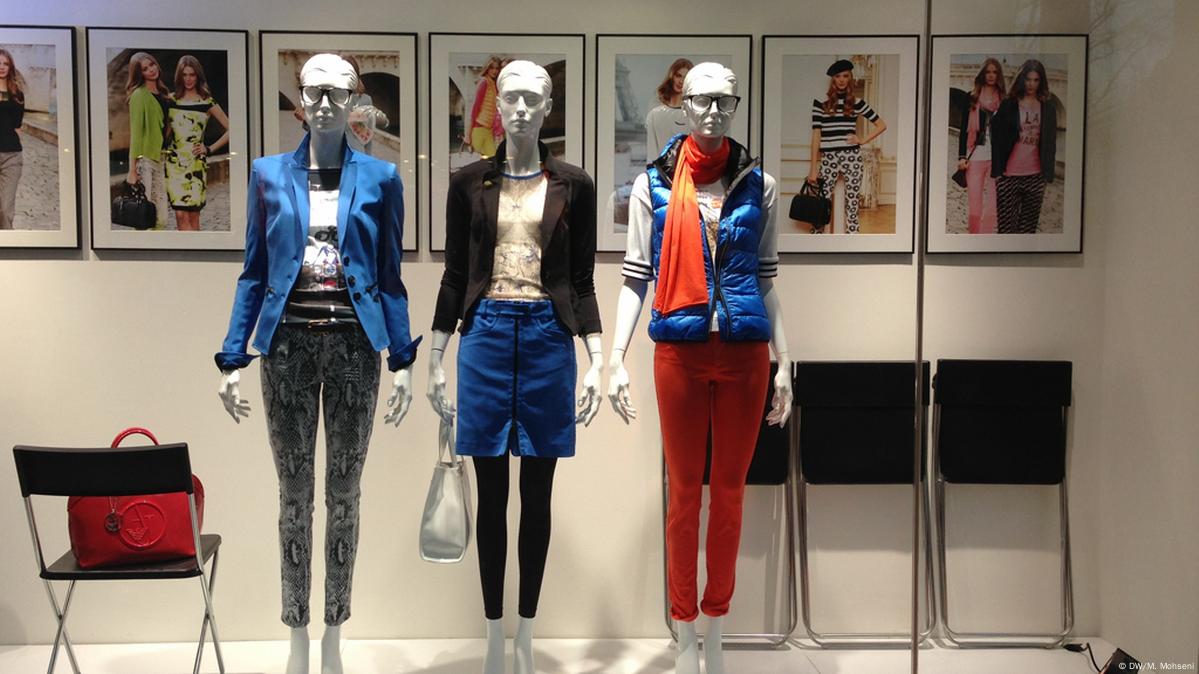
The plight of women in Indonesia's textile industry highlights significant challenges related to labor rights, gender equality, and workplace safety. As the largest economy in Southeast Asia and a major player in global textile production, Indonesia's garment sector employs a predominantly female workforce. However, these women face systemic exploitation, gender-based violence, and a culture of silence that exacerbates their vulnerabilities.

Key Issues Faced by Female Workers

- Exploitation and Gender-Based Violence: Female workers in the textile industry are often subjected to harsh working conditions, including unrealistic production targets that compel them to forgo breaks. This exploitation is compounded by a culture that normalizes gender-based violence, leaving many women without recourse or support.

- Dual Burden: After long hours in factories, these women return home to fulfill their roles as primary caregivers, leading to significant physical and mental strain. The dual responsibilities of being the main breadwinner and managing household duties create an environment of stress and fatigue, which can result in workplace accidents and decreased productivity.

- Barriers to Union Participation: Efforts to organize and advocate for better working conditions are hindered by gender discrimination within labor unions. Many unions are male-dominated, and women often face opposition from their partners when attempting to engage in union activities. Cultural norms in some regions require women to seek permission from their husbands to join unions, further limiting their ability to advocate for their rights.

- Economic Pressures: The allure of factory jobs, often seen as prestigious in rural areas, leads many individuals to pay substantial fees to brokers for employment. Unfortunately, once they start working, they frequently discover that the conditions are not as favorable as promised, leading to disillusionment and financial strain.

Members of the Trade Union Rights Center (TURC), such as Didit Saleh and Nitya Swastika, are actively working to raise awareness about these issues on international platforms, including recent advocacy efforts in Germany. They emphasize the need for brand owners to ensure fair treatment of female workers, particularly regarding occupational health and safety.

TURC's research underscores the importance of addressing the power imbalances and cultural barriers that prevent women from fully participating in labor movements. By educating workers about their rights and the importance of union membership, TURC aims to empower female workers to advocate for better conditions.

The situation for women in Indonesia's textile industry is a complex interplay of economic necessity, cultural norms, and systemic discrimination. Addressing these challenges requires a multifaceted approach that includes raising awareness, promoting gender equality, and ensuring that labor rights are upheld. As international attention grows, there is hope for meaningful change that can improve the lives of these women and create a more equitable workplace.

Previous Post

Grandma with Chunky Sunglasses Becomes Unlikely Fashion Icon

Next Post

Kyiv Independent Launches Winter Merch Collection Celebrating Ukrainian Traditions

Comments