Zim’s real estate industry shaking off Covid clouds
-
 Loading...
 - Vivian Kinya
- 04 Apr 2023
- 232 Views
- 0 Like
- 0 Comment
Three years ago, Zimbabwe’s property market was downbeat. As the pandemic tore through the globe leaving a trail of destruction, occupancy rates suffered. But in this interview with our business editor, Shame Makoshori (SM) Integrated Properties chief executive officer Mike Juru (MJ) says while pockets of pain still remain, the oceans are clearing up, and the industry could be on its path to recovery. He gives his analysis in the interview below:
SM: Please give an overview of Zimbabwe’s property market in 2022. What is the outlook?
MJ: Notwithstanding the current situation in the economy, the Zimbabwe property market continues to show signs of improvement and resilience, through the increase in demand for rental space for suburban offices and industrial properties. Again, the market’s increased capacity to pay higher rentals, and a sharp rise in the number of residential and commercial construction projects in 2022, including Highland Park and Madokero Malls, is testament to the sector’s growth potential. In the 2022 national budget, the construction sector was expected to achieve a growth of 10,5%. Zimbabwe’s property market has become a cash market skewed towards the US dollar, although some transactions were still concluded in Zimbabwean dollars, and at a premium to contain currency and exchange rate risks in an inflationary environment. This could have been a form of cushioning property owners and sellers with the high inflation rates.
SM: We are talking about an industry with several sub-sectors under its wings. How did these perform last year, and what is your view of the year ahead?
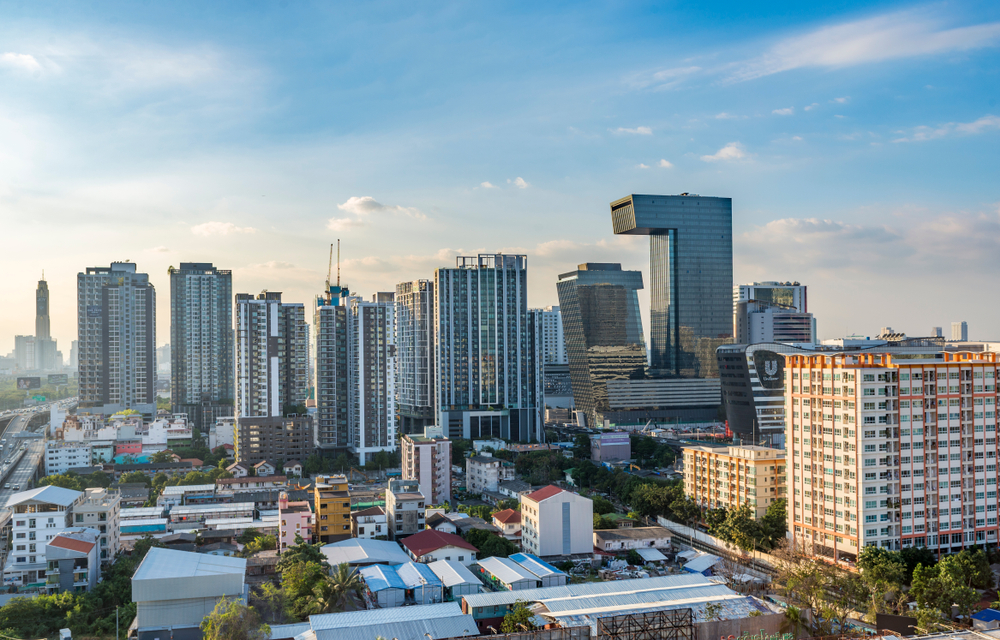
MJ: The office sector is categorised into central business district (CBD) offices and suburban offices. CBD offices remain the worst performing of the two sub-categories, owing to the policy position allowing residential suburbs in proximity to the CBD to operate as offices. Owing to their inherent advantages, office migration from the CBD has been pronounced. Beneficiary residential suburbs to this CBD outflow (in Harare) include Eastlea, Hillside, Milton Park, Belvedere, Belgravia, Avondale, and Alexandra Park. This has created an oversupply of CBD office buildings vis-a-vis demand, leading to high vacancy rates and unsustainably low rental rates. The opposite holds true for office spaces in suburban areas, which are experiencing a boom characterised by an average occupancy rate of over 90% as demand outweighs supply. Rentals in the CBD office market averaged US$4 to US$8 per square metre in 2022 and have remained stagnant since 2021. For suburban office spaces, the range is US$6,50 to US$8 per square metre, with higher yields. Based on our analysis, it is evident that opportunities for rewarding office development currently lie in the suburban areas. Read More…