Zimbabweans turn to real estate amid economic uncertainties
-
 Loading...
 - Kamau Mokaya
- 09 May 2023
- 105 Views
- 0 Like
- 0 Comment
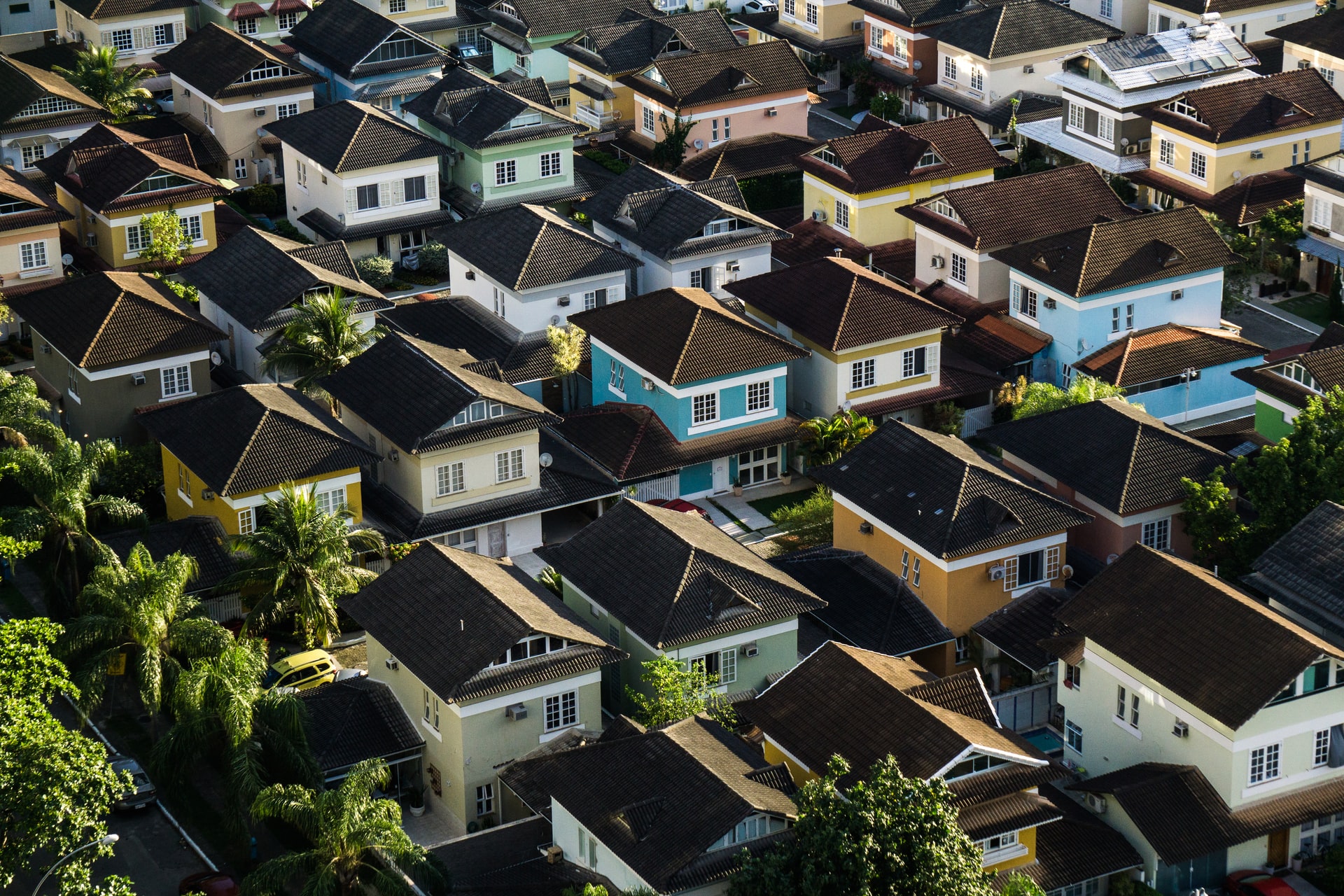
Amid economic uncertainties, many Zimbabweans are turning to real estate as a means of investment. Real estate is viewed as a key economic resource and a reliable hedge against the nation's rampant inflation, leading to a construction boom in the southern African country.
According to Harmony Mazai, an infrastructure vlogger and property consultant with Property Channel, a real estate firm, owning property is considered a sustainable store of value. Despite the challenging macroeconomic environment characterized by weak mortgage financing and high debt costs, there is still a strong demand for high-end residential properties.
This trend is highlighted by Kenneth Sharpe, CEO of West Properties, who says his company has sold over a thousand properties in the last few years and plans to sell 40 properties a month.
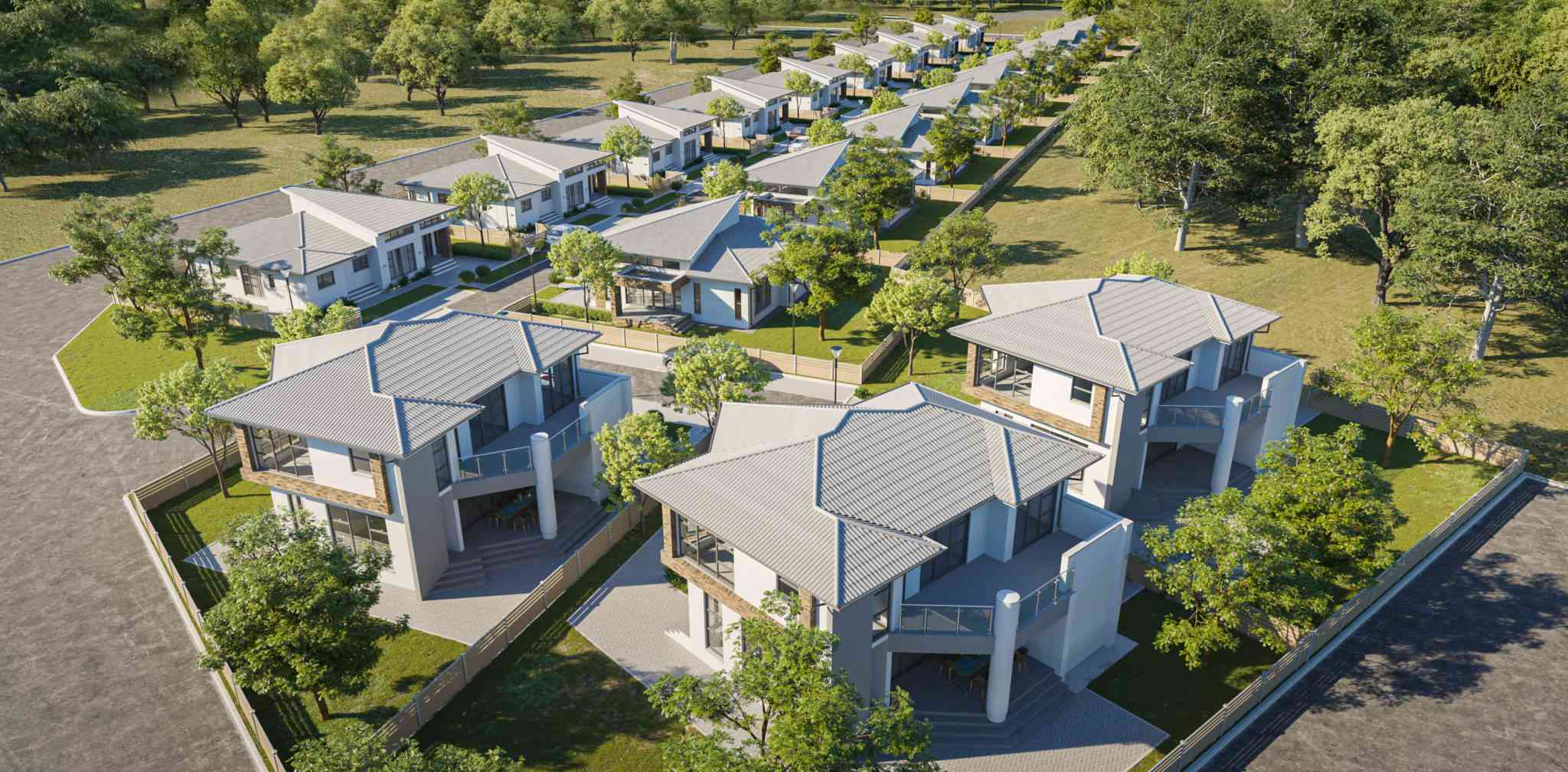
In Harare, the revival of old colonial suburbs is taking place through the construction of apartments and cluster houses, and new neighborhoods are also emerging in the greater Harare region, which houses 38% of Zimbabwe's urban population.
However, there is a notable shortage of fully serviced land, leading to exorbitant property valuations. Prosper Chitambara, an economist, highlights the mismatch between the limited supply of land and the strong demand as the main reason for the high property prices.
According to Mazai, this has made Zimbabwe's property market the most expensive in terms of value for money in the Southern African region. The shortage of financing in the sector is resulting in self-financing, which further limits development.
For investors, real estate has become a safe haven in uncertain times, such as Zimbabwe's current state where annual inflation in March was at 87.6%. Economist Christopher Mugaga explains that investing in private residences is viewed as a reliable option to park their money.
Nonetheless, the local market is characterized by high debt costs, with US dollar interests averaging 15-18%, way higher than other countries in the region. There is also a rise in demand for office and retail space, as seen in the turnovers of some shopping centers.
In conclusion, real estate has become a sought-after investment for Zimbabweans amid economic uncertainties. Although there are challenges such as weak mortgage financing, limited serviced land, and high debt costs, the demand for high-end residential properties remains strong. Furthermore, the shortage of financing in the sector is resulting in self-financing, limiting development. Real estate has proven to be a safe haven for investors during uncertain times, such as the current inflationary period in Zimbabwe.