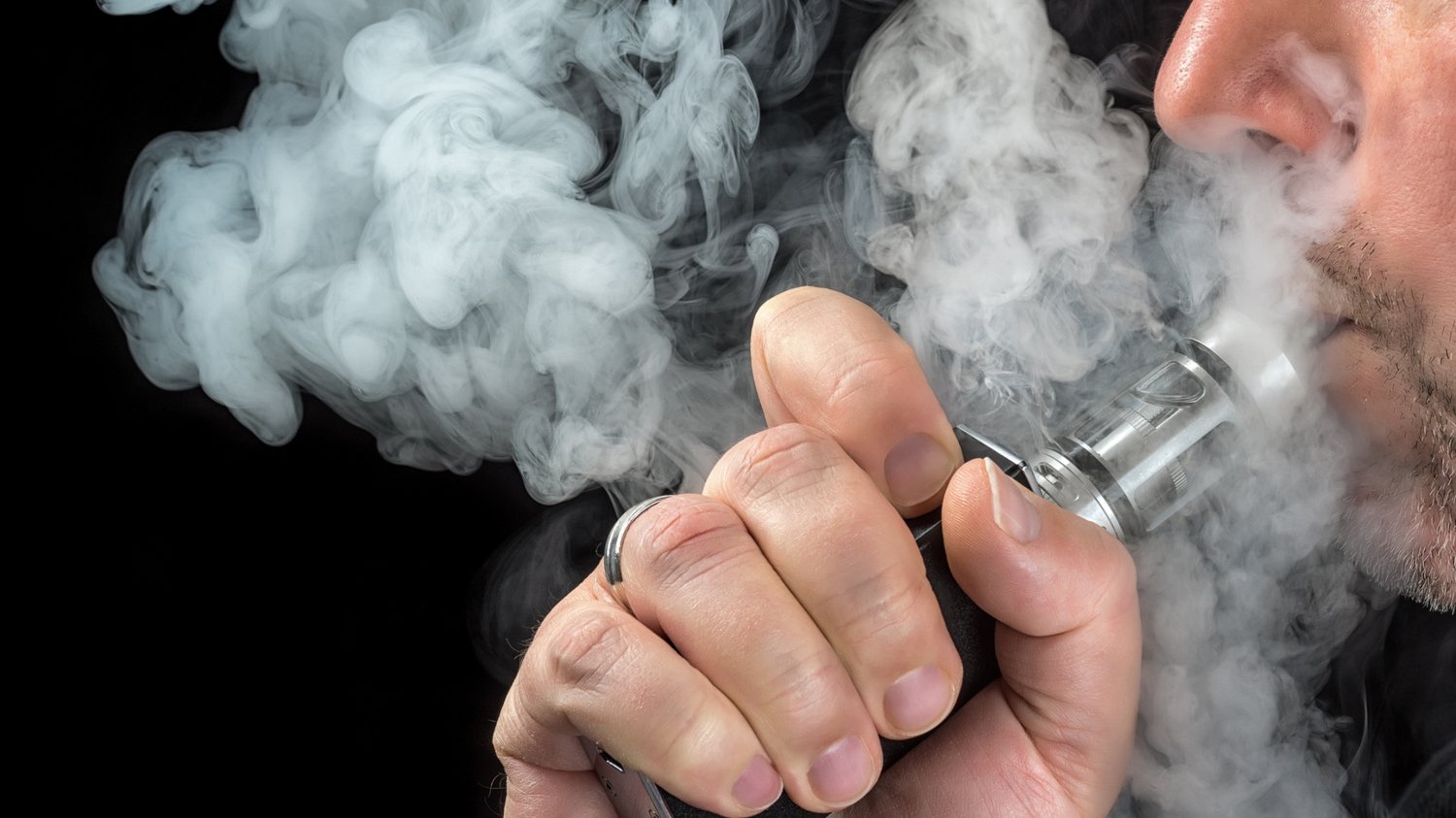
Implications of Disposable Vapes on Health
-
 Loading...
 - Claire Lavigne
- 24 Feb 2025
- 43 Views
- 0 Like
- 0 Comment
Disposable vapes, often seen as a convenient alternative to traditional cigarettes, carry significant health risks that are increasingly coming to light. While they may be marketed as a less harmful option, the implications of their use can be serious and multifaceted.
One of the primary concerns is nicotine addiction. Many disposable vapes contain high levels of nicotine, which can lead to dependence, particularly among young users. The appealing flavors and ease of access can encourage frequent use, making it difficult for individuals to quit once they start.
Inhalation of vapor from these devices can also lead to respiratory issues. Users may experience irritation of the airways, resulting in symptoms like coughing and shortness of breath. Over time, vaping can cause inflammation and damage to lung tissue, potentially leading to chronic respiratory conditions.
Cardiovascular health is another area of concern. Nicotine can elevate heart rate and blood pressure, increasing the risk of heart disease. Long-term use of nicotine products, including vapes, may contribute to the development of cardiovascular problems.
Moreover, disposable vapes expose users to various harmful chemicals. Ingredients such as propylene glycol and flavoring agents can be detrimental when inhaled. Some studies have found that certain vape products release toxic substances, including formaldehyde, which are known to be harmful to health.
The impact on mental health is also noteworthy. Nicotine use has been linked to mood disorders, including anxiety and depression. For adolescents, the effects can be particularly concerning, as nicotine can affect brain development and increase susceptibility to mental health issues.
Additionally, the environmental implications of disposable vapes cannot be overlooked. These products contribute to pollution, as they are often discarded improperly. The plastic and electronic components can harm ecosystems, and improper disposal can lead to the leaching of harmful chemicals into the environment.
In conclusion, while disposable vapes may be perceived as a safer alternative to smoking, their health implications are significant. The risks of nicotine addiction, respiratory and cardiovascular issues, exposure to harmful chemicals, and potential mental health effects highlight the need for increased awareness and regulation. Understanding these consequences is essential for users, especially young people, as they navigate the complexities of vaping and its impact on their health.