10 Best Tabu Ley Rochereau Songs of All Time
-
 Loading...
 - Laura Ansong
- 12 Jun 2023
- 72 Views
- 0 Like
- 0 Comment
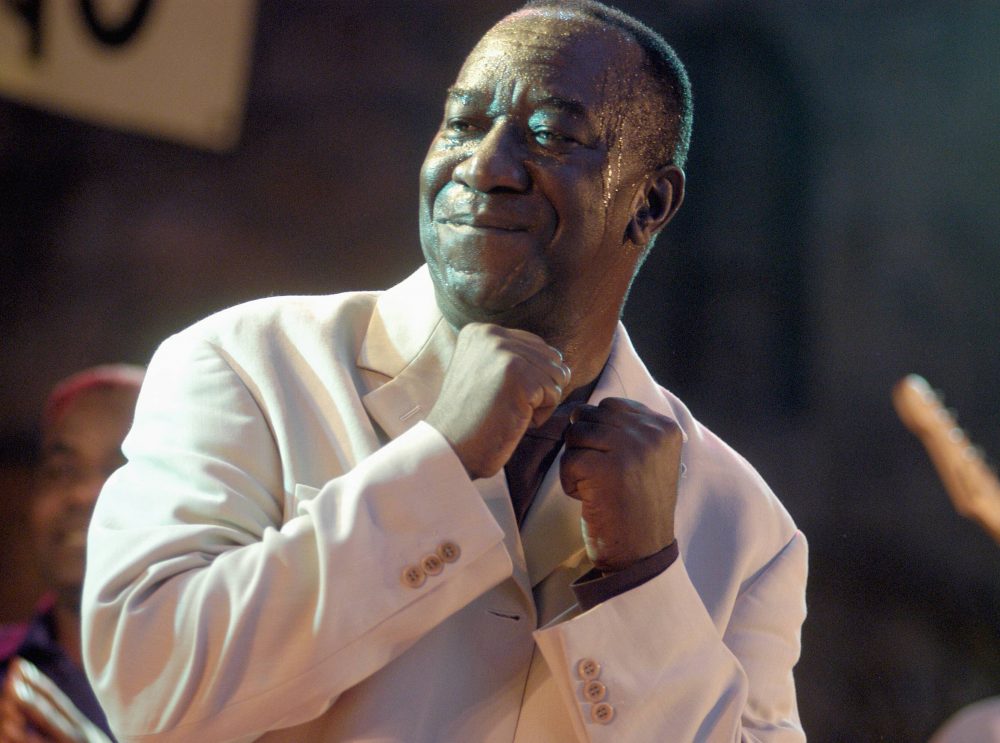
Tabu Ley Rochereau, born as Pascal Emmanuel Sinamoyi Tabu, was an influential Congolese vocalist, lyricist, and conductor, renowned as one of Africa's most impactful musicians. His distinctive style seamlessly blended African rhythms with elements of Latin, Caribbean, and jazz music, while his velvety vocals captivated listeners worldwide. With a career spanning over five decades, Tabu Ley crafted numerous chart-topping hits that continue to resonate with fans across the globe.
In this article, we will embark on a journey through Tabu Ley Rochereau's remarkable discography and explore his ten finest songs of all time. From his early collaborations with the band African Jazz to his later musical partnerships with fellow African artists, Tabu Ley's compositions enchanted audiences far and wide. By delving into the narratives behind each song, we will shed light on their unique attributes that set them apart within his extensive musical repertoire. Whether you are an ardent admirer or a recent discoverer of Tabu Ley's melodies, this article stands as a tribute to the enduring legacy of one of Africa's most iconic musicians.
Hafi Deo
Released in 1985, "Hafi Deo" remains one of Tabu Ley Rochereau's most iconic tracks. This vivacious song blends Congolese rumba with Latin rhythms, showcasing Tabu Ley's silky vocals and captivating guitar melodies at center stage. Sung in Swahili, the lyrics exalt the joy of existence and the beauty found in life itself, encouraging listeners to embrace the present moment and cherish every experience. With its infectious melody and lively tempo, "Hafi Deo" continues to be a favored choice at dance floors and parties worldwide. This timeless composition serves as a testament to Tabu Ley's musical genius and his unparalleled ability to fuse diverse cultural influences into an unforgettable and distinct sound.
Monsieur Malonga
A classic from 1973, "Monsieur Malonga" exemplifies the artistry of Tabu Ley Rochereau. Blending Congolese rumba with Afro-Cuban rhythms, the song weaves Tabu Ley's velvety vocals and the band's spirited instrumentation to create an exuberant and infectious sound. The lyrics narrate the tale of Monsieur Malonga, a wealthy man who falls in love with a woman of humble origins. This composition celebrates the unifying power of love, transcending differences and bringing people together. "Monsieur Malonga" stands as a timeless masterpiece, showcasing Tabu Ley's musical prowess and his ability to tell compelling stories through his compositions. It continues to be cherished by fans and inspires new generations of music enthusiasts.
Karibou Ya Bintou
"Karibou Ya Bintou," released in 1985, is a soul-stirring ballad by Tabu Ley Rochereau. Embracing a slow and melodic Congolese rumba beat, the song emanates the heartfelt longing and desire of a man deeply in love. Sung in Lingala, the lyrics weave a narrative of a man passionately seeking the hand of a woman named Bintou in marriage. With its emotional depth and romantic tone, "Karibou Ya Bintou" has etched itself as a timeless classic and a beloved favorite among Tabu Ley's admirers. The song exemplifies Tabu Ley's innate ability to create music that resonates with the depths of one's heart and soul, firmly establishing him as one of Africa's most cherished musicians.
Joujou Zewa
"Joujou Zewa," released in 1977, is an effervescent and lively composition by Tabu Ley Rochereau. Blending Congolese rumba with Latin rhythms, the song features Tabu Ley's velvety vocals and the band's vibrant instrumentation, creating an atmosphere of joy and danceability. Sung in Lingala, the lyrics exalt the beauty of a woman named Joujou and the elation she brings to the singer's life. With its infectious melody and lively tempo, "Joujou Zewa" continues to be a popular choice at dance floors and parties, captivating audiences in Africa and beyond. This composition serves as a testament to Tabu Ley's adeptness at merging diverse musical influences into a unique and unforgettable sound that inspires new generations of music lovers.
Aon Aon
Released in 1984, "Aon Aon" is a mellifluous and poignant composition by Tabu Ley Rochereau. Flowing to a slow and soulful Congolese rumba beat, the song showcases Tabu Ley's smooth and emotive vocals, expressing the pain and sadness of a man who has lost his love. Sung in Lingala, the lyrics recount the story of a man grieving the loss of his beloved and the emptiness he feels in her absence. With its profound emotional depth and melancholic tone, "Aon Aon" has cemented itself as a timeless classic and a favorite among Tabu Ley's dedicated fan base. The composition exemplifies Tabu Ley's ability to create music that speaks directly to the heart and soul, securing his position as one of Africa's most revered musicians.
Pitié
"Pitié," released in 1983, is a potent and poignant song by Tabu Ley Rochereau. Flowing to a slow and solemn Congolese rumba beat, the song sees Tabu Ley's soulful vocals convey the pain and suffering of a populace in need. Sung in Lingala, the lyrics beseech mercy and compassion for those grappling with adversity, seeking divine intervention to alleviate their anguish. With its haunting melody and heartfelt lyrics, "Pitié" emerges as a deeply moving piece of music that resonates with the listener's soul. This composition exemplifies Tabu Ley's ability to craft music that addresses crucial social and humanitarian concerns, underscoring his stature as one of Africa's most influential musicians.
Mongali
"Mongali," a timeless classic released in 1976, exemplifies Tabu Ley Rochereau's artistry. Blending Congolese rumba with Latin rhythms, the song features Tabu Ley's velvety and soulful vocals, accompanied by the band's lively instrumentation, creating an atmosphere of joy and infectiousness. Sung in Lingala, the lyrics depict a man infatuated with a woman named Mongali, willing to go to great lengths to win her heart. With its catchy melody and upbeat tempo, "Mongali" remains a popular choice at dance floors and parties, captivating audiences both in Africa and worldwide. This composition showcases Tabu Ley's ability to craft music that exudes both jubilance and romance, firmly establishing him as one of Africa's most cherished musicians.
Bina Ringa
"Bina Ringa," an energetic and upbeat song released in 1974, exemplifies Tabu Ley Rochereau's style. Fusing Congolese rumba with Latin rhythms, the composition features Tabu Ley's smooth vocals and the band's lively instrumentation, creating a festive and danceable ambiance. Sung in Lingala, the lyrics narrate the story of a man courting a woman, inviting her to dance with him. With its infectious melody and captivating rhythm, "Bina Ringa" remains a popular choice at dance floors and parties, captivating audiences both in Africa and around the world. The composition is a testament to Tabu Ley's ability to create music that unites people, solidifying his position as one of Africa's most influential musicians.
Tabalissimo
Released in 1983, "Tabalissimo" is an energetic and vibrant song by Tabu Ley Rochereau. Merging Congolese rumba with Latin rhythms, the composition showcases Tabu Ley's smooth vocals and the band's lively instrumentation, creating a festive and danceable vibe. Sung in Lingala, the lyrics celebrate the joy of music and dance, encouraging listeners to let loose and revel in the moment. With its catchy melody and infectious rhythm, "Tabalissimo" continues to be a favored choice at dance floors and parties, captivating audiences both in Africa and worldwide. This composition highlights Tabu Ley's ability to create music that brings people together, firmly establishing him as one of Africa's most influential musicians.
Mokolo Nakokufa
"Mokolo Nakokufa," released in 1987, is a hauntingly beautiful and emotive song by Tabu Ley Rochereau. Set to a slow and somber Congolese rumba beat, the composition features Tabu Ley's soulful and plaintive vocals, expressing the pain and regret of a man reflecting on past mistakes. Sung in Lingala, the lyrics portray a man lamenting the loss of his true love and regretting his failure to appreciate her while she was still by his side. With its powerful melody and heartfelt lyrics, "Mokolo Nakokufa" emerges as a deeply moving piece of music that resonates with the listener's heart and soul. This composition exemplifies Tabu Ley's ability to create music that is simultaneously deeply personal and universally relatable, solidifying his position as one of Africa's greatest musicians.