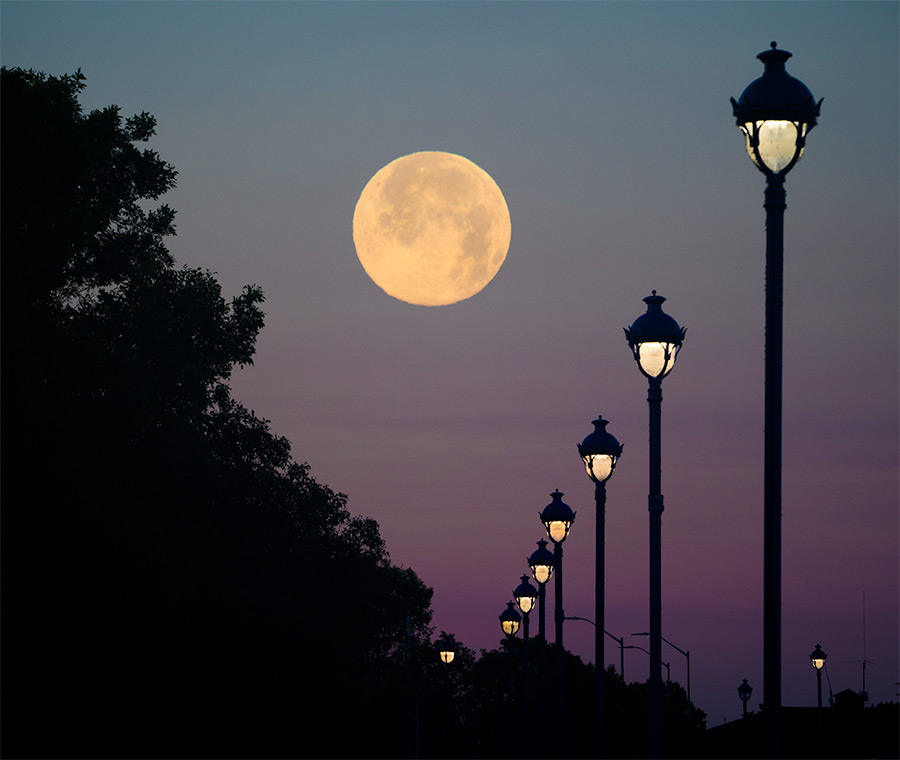
10 Dos and Don'ts of Photographing The Moon
-
 Loading...
 - Spade Lauren
- 24 Jul 2024
- 53 Views
- 0 Like
- 0 Comment
Capturing the moon through your camera lens can be a captivating and rewarding experience for any photographer, whether you're a seasoned pro or a passionate hobbyist. However, there are certain techniques and considerations that can make all the difference in creating breathtaking lunar images. In this article, we'll delve into the 10 essential dos and don'ts of photographing the moon, so you can elevate your skills and capture the celestial beauty like a true moon master.
Dos

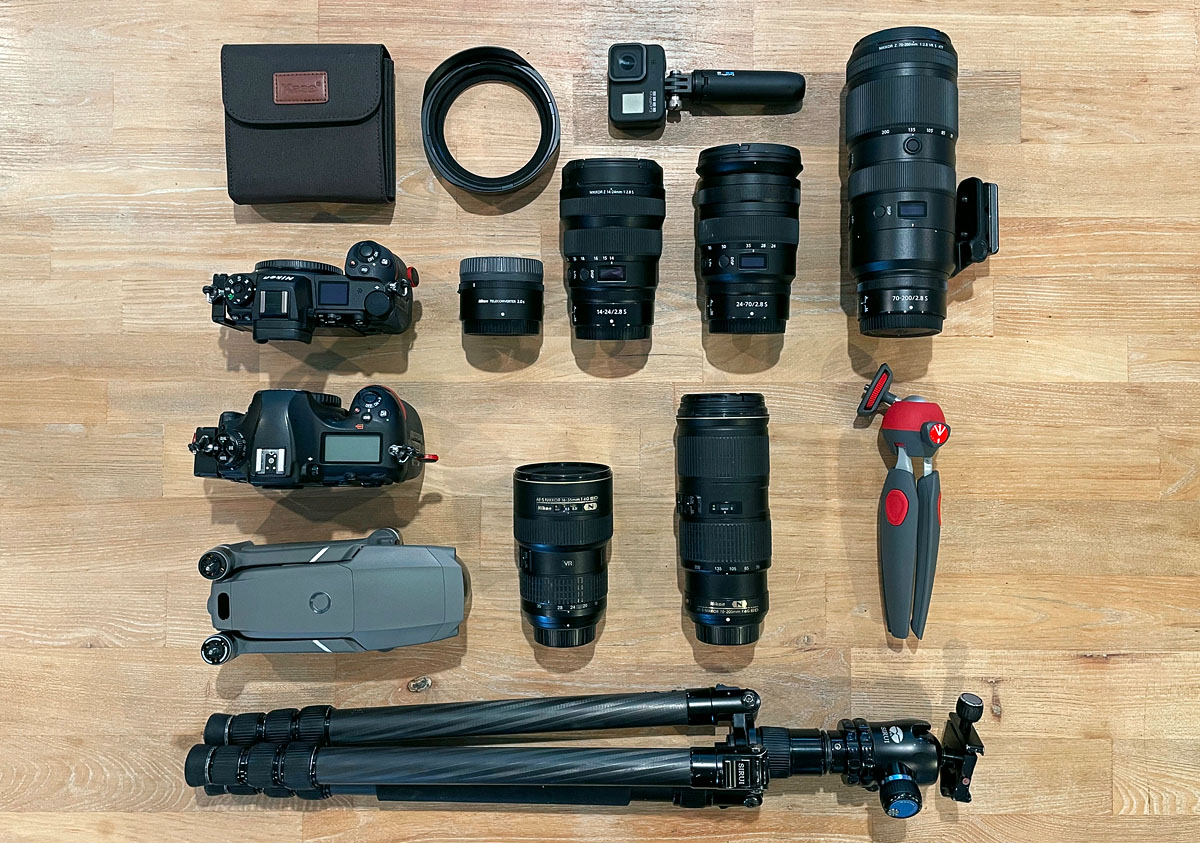
1. Always use a tripod
Steady, stable shots are crucial when photographing the moon. The moon's distance and the camera's magnification make even the slightest camera movement noticeable. A sturdy tripod will ensure your camera remains perfectly still, allowing you to capture sharp, detailed images.
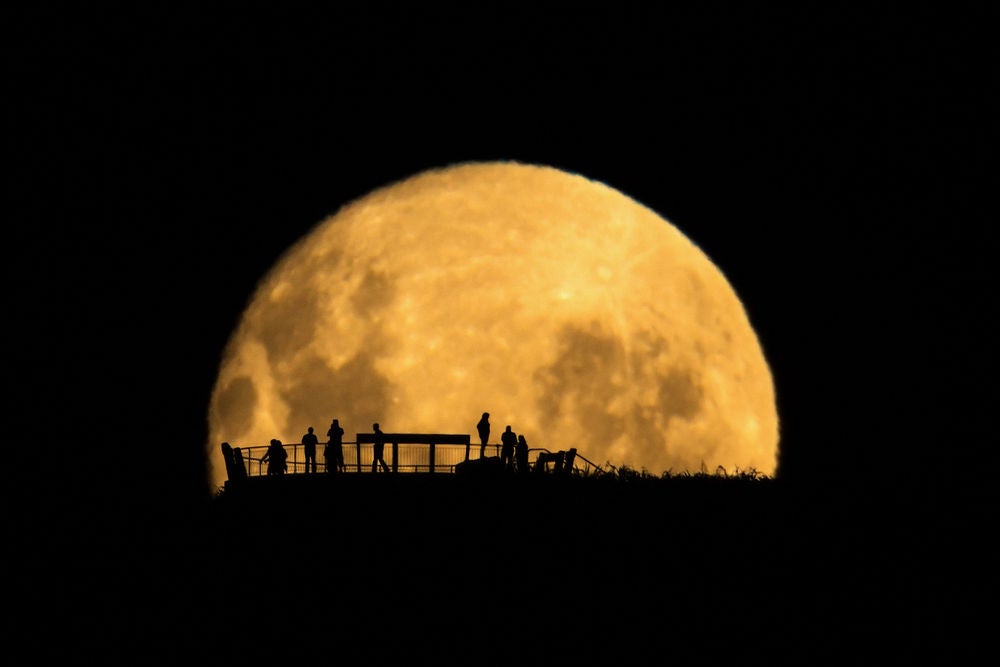
2. Photograph with a telephoto lens
The moon may appear small in the sky, but you can bring it closer to your lens by using a telephoto lens. A lens with a focal length of at least 200mm, or even a zoom lens, will help you capture the moon in all its glory, revealing its craters, mountains, and other intricate details.
3. Know the cycles of the moon
The moon's phases and position in the sky can significantly impact your shots. Familiarize yourself with the moon's cycles, from new moon to full moon, and plan your photography sessions accordingly. The best time to photograph the moon is often during the full moon or the days leading up to it, when the moon is brightly illuminated.
4. Manual Mode
Shooting in manual mode gives you complete control over your camera's settings, allowing you to fine-tune the exposure and capture the moon's details precisely. Experiment with different shutter speeds, apertures, and ISO settings to find the perfect balance for your desired effect.
5. Shoot in RAW
Capturing your images in RAW format, rather than JPEG, will give you greater flexibility in post-processing. RAW files contain more information and allow you to make adjustments to exposure, white balance, and other settings without compromising image quality.
Don'ts
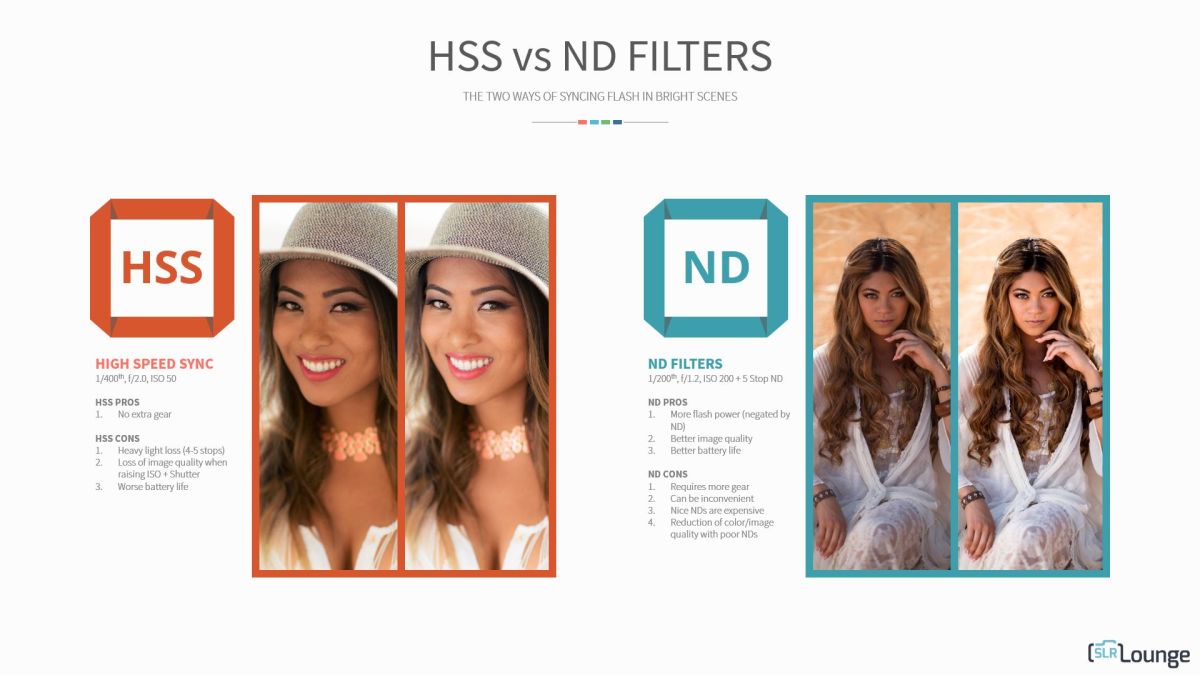
1. Don't use any filters on your lens
Filters, such as neutral density or color filters, can interfere with the moon's natural brightness and hue. Stick to a clean, unfiltered lens for the best results.
2. Don't use a slow shutter speed
The moon is a fast-moving object in the sky, so using a slow shutter speed can result in blurry, streaked images. Aim for a shutter speed of at least 1/250th of a second to freeze the moon's movement.
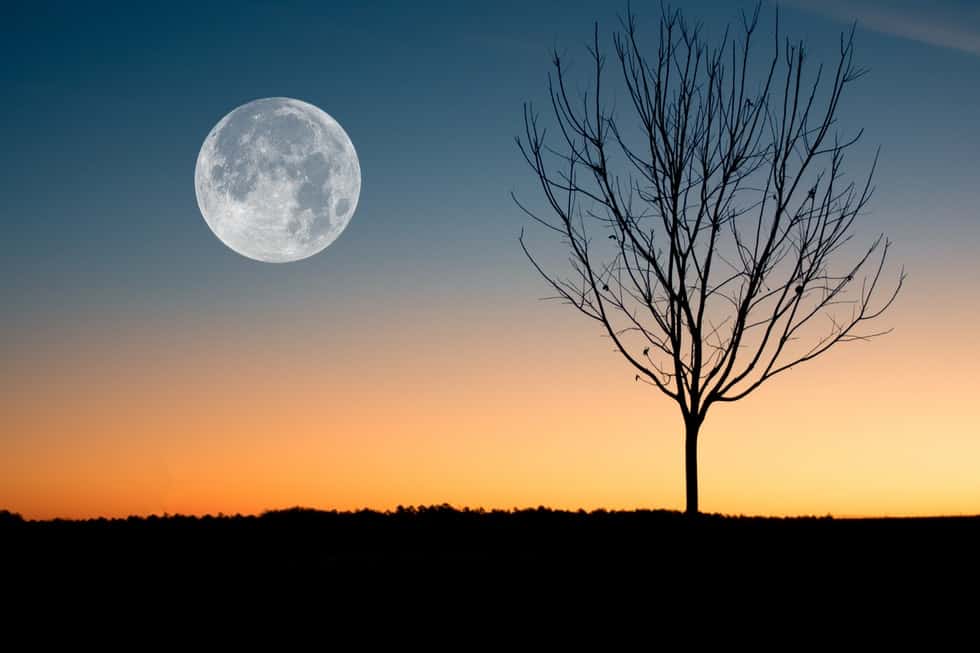
3. Don't always place the moon in the center of the frame
While the moon is the main subject, try experimenting with different compositions. Placing the moon off-center or incorporating foreground elements can create more dynamic and visually interesting images.
4. Don't use Auto White Balance
The moon's bright, cool-toned light can confuse your camera's auto white balance, resulting in images with a bluish or yellowish cast. Manually set your white balance or shoot in RAW to make adjustments later.
5. Don't Forget to be creative
Don't be afraid to step outside the traditional moon shot and explore creative techniques, such as long exposures, silhouettes, or even capturing the moon with other celestial objects. Unleash your artistic vision and let your imagination soar.
Conclusion
Photographing the moon can be a captivating and rewarding experience, but it requires a bit of skill and preparation. By following these 10 dos and don'ts, you'll be well on your way to capturing stunning lunar images that will leave your friends and followers in awe. Remember, the key to successful moon photography lies in mastering the technical aspects while also embracing your creative vision. So, grab your camera, get out there, and let the moon be your muse!