10 of the Most Endangered Species in Africa
-
 Loading...
 - Gesna Talla
- 16 Aug 2022
- 79 Views
- 0 Like
- 0 Comment
Africa, the world’s second-largest and second-most populous continent, is wonderfully rich in biodiversity. Thanks to its equally rich natural landscapes and biomes, ranging from arid deserts and savannahs to tropical rainforests and ice-capped mountains, Africa supports about a quarter of the planet’s animal and plant species. But delayed industrialisation and development, human activities such as deforestation – 4 million hectares of African forests are cut down annually, almost double the speed than the global average deforestation rate – and prolonged conflicts have had a devastating impact on wildlife on the continent. All these are being fuelled further by climate change. These are just some of the most endangered species in Africa that are in dire need of protection and conservation, before it’s too late.
10 Most Endangered Species in Africa
1. Black Rhino
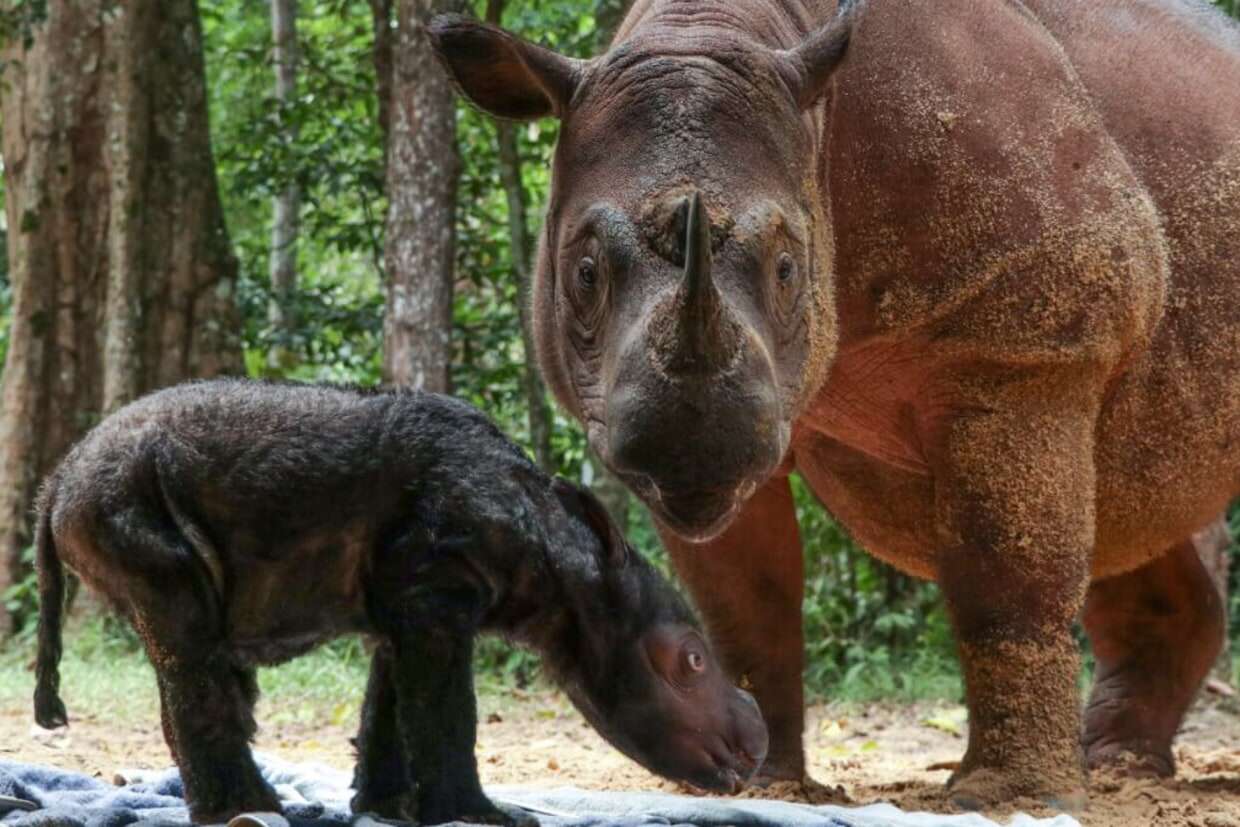
Otherwise known as the hook-lipped rhino, the black rhino is one of two species of rhinoceros native to Africa (the other being the white rhino). Due to rampant poaching to meet a global demand for rhinoceros horn, wildlife trading and trophy hunting, black rhino populations have been decimated and has driven a subspecies, the Western black rhino (Diceros bicornis longipes), to extinction in 2011. Today, there are just over 5,600 individuals left of the critically endangered animal and are limited to just four countries: South Africa, Namibia, Zimbabwe and Kenya. As a keystone species, meaning that they hold a significant role within an ecosystem, there have been major efforts to protect and recover population numbers, including greater habitat protection and monitoring systems, as well as harsher fines and sentences for rhino poachers.
2. African Elephant
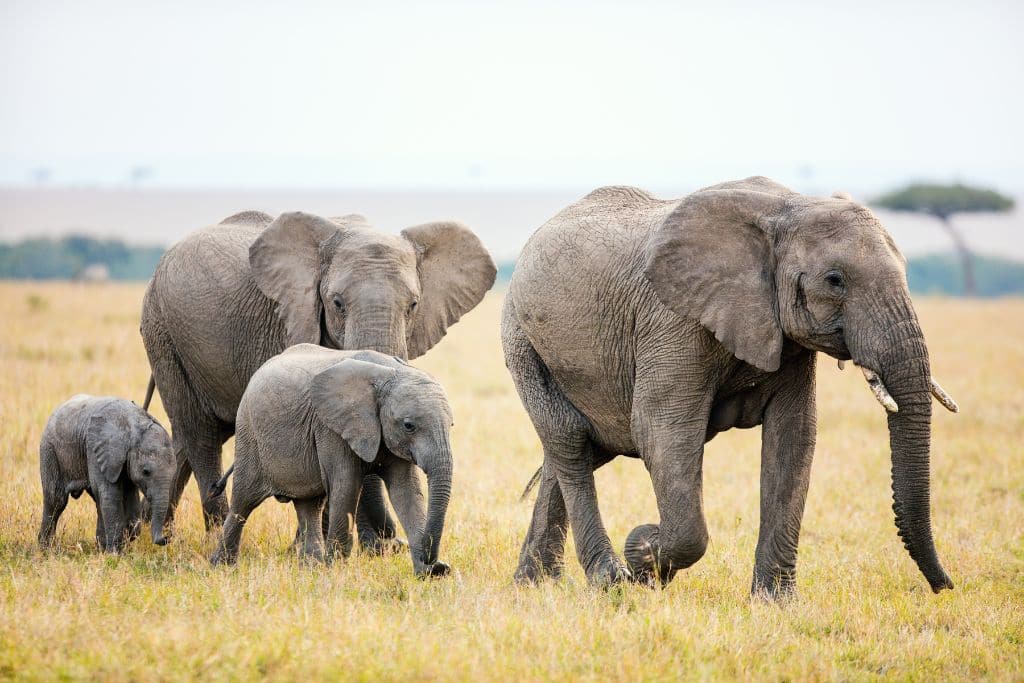
In the 1970s, Africa was home to 1.3 million elephants. Today, that number has plummeted down to less than 30,000 in the wild. Much like rhinos, elephants have been heavily targeted and poached throughout history due to the ivory trade; ivory tusks were treated as a valuable commodity and a status symbol. As a result, around 90% of African elephants have been wiped out in the past century. Though much of the world has since banned elephant ivory trading, most notably China, illegal poaching and trading still persist. But with significant conservation efforts, countries like Kenya have been experiencing a baby boom in elephants, more than doubling the population in 30 years. But other major threats to the species remain: human-wildlife conflict fuelled by human population growth and urban expansion, and climate change-induced droughts.
3. Gorilla
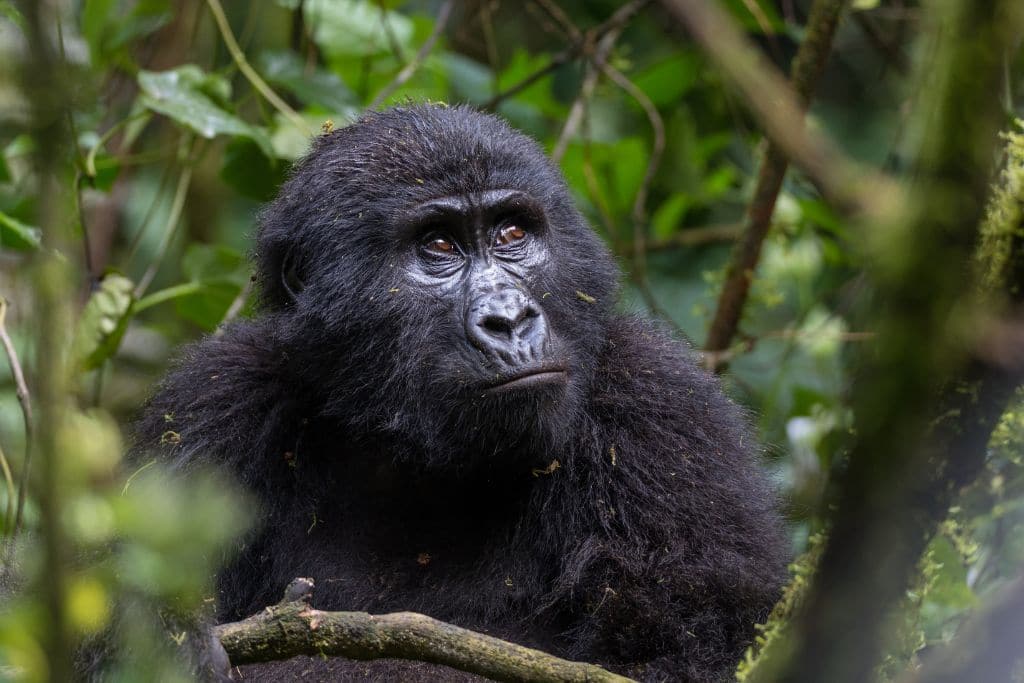
There are two species of gorillas, the Eastern gorilla and the Western gorilla, both of which are native to Africa and listed as Critically Endangered on the International Union for Conservation of NatureRed List. A combination of factors have pushed the animal to such a dire situation, including poaching, habitat loss from logging and agricultural development, human conflict, and diseases. In fact, one of the two subspecies of the Western gorilla, the Cross River gorilla that lives in the Cameroon-Nigeria border region, saw its population plummet to about 200-300 adults. Population recovery efforts can be also slow and difficult due to their low reproductive rate, with females only giving birth every four to six years – females also only breed three or four times in her lifetime.
4. Saharan Cheetah
This endangered cat (but not a ‘Big Cat’) has been pushed to the brink of extinction due to significant habitat loss, forcing the animal to be limited to 10% of its historical range. Its remaining small populations can now only be found in Algeria and Niger, and isolated pockets across the Sahara and Sahel from Mali in the west to the Central African Republic in the east.​ Additionally, hunting by a growing local population in the region and reduced prey such as sheep and gazelle from the agricultural explosion have also contributed to Saharan cheetah’s population decline to fewer than 250 individuals.
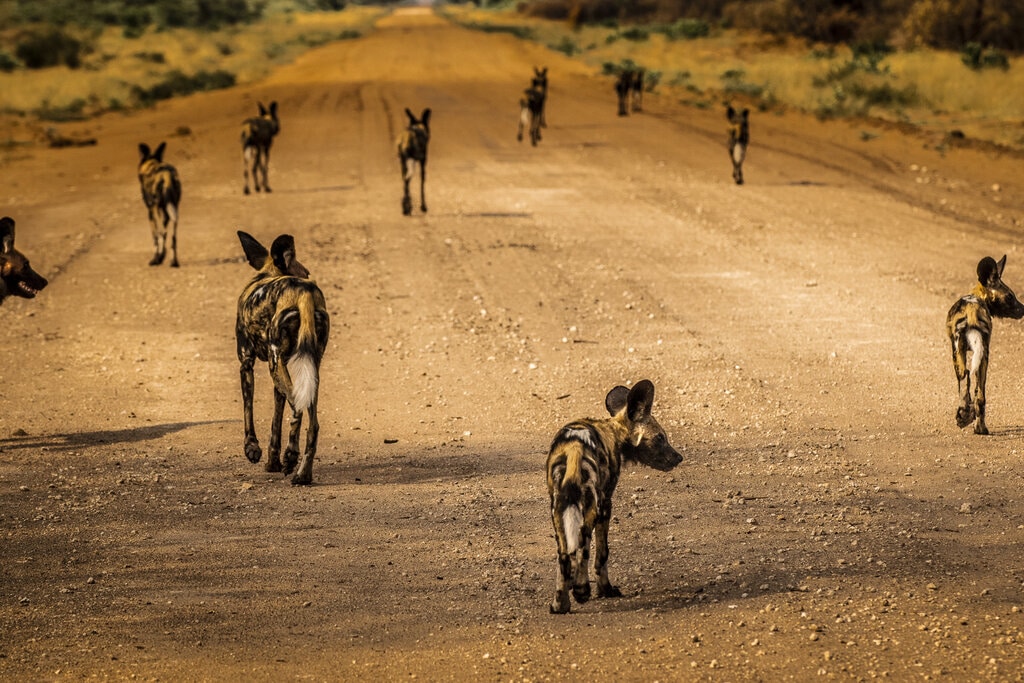
5. African Wild Dog
Also known as the African painted dog or the African hunting dog, this critically endangered species in Africa is also the second most endangered carnivore in the continent. As wild dogs are highly social animals, gathering and travelling packs, they’re incredibly sensitive to habitat changes and fragmentation, which have been significantly reduced over the past few decades. Illegally poaching and wildlife trading is rife across African countries, and many African dogs were caught as bycatch in snares targeted for other animals like antelopes. Despite their impressive speeds – they reach speeds of more than 44 miles per hour – the species has not been able to run away from other threats like human conflicts over livestock, infectious diseases like rabies and distemper, and competition with larger predators like lions due to shrinking habitats. The largest populations are mostly in southern Africa – where there are less than 550 individuals in the wild – and the southern part of East Africa including Tanzania and northern Mozambique. Though snare hunting has been made illegal on nationally proclaimed wildlife reserves in South Africa, far more conservation efforts are needed to protect this rare mammal. Read More...