How Does Cocoa Farming Cause Deforestation?
-
 Loading...
 - Emmani Bih
- 16 Aug 2022
- 84 Views
- 0 Like
- 0 Comment
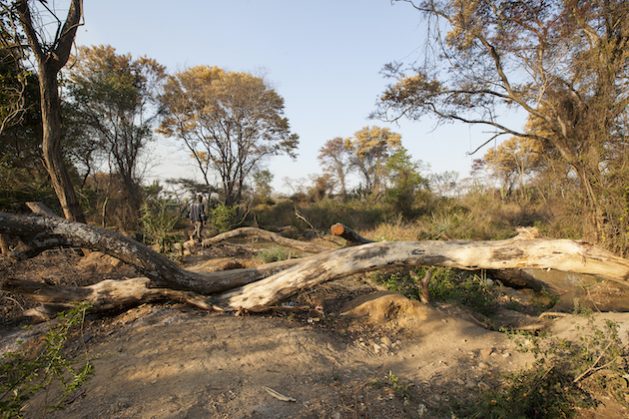
World Chocolate Day is celebrated every year on July 7. This is a good time to reflect on the chocolate industry’s dirty secrets and its impact on the environment. Especially in West Africa’s countries such as Ghana, Nigeria, Cameroon, and Côte d’Ivoire but also in Latin America and Southeast Asia, cocoa is linked to incredibly high rates of deforestation and biodiversity loss. But hoe exactly does cocoa farming cause deforestation and what are these countries doing about it?
—
The Chocolate Industry
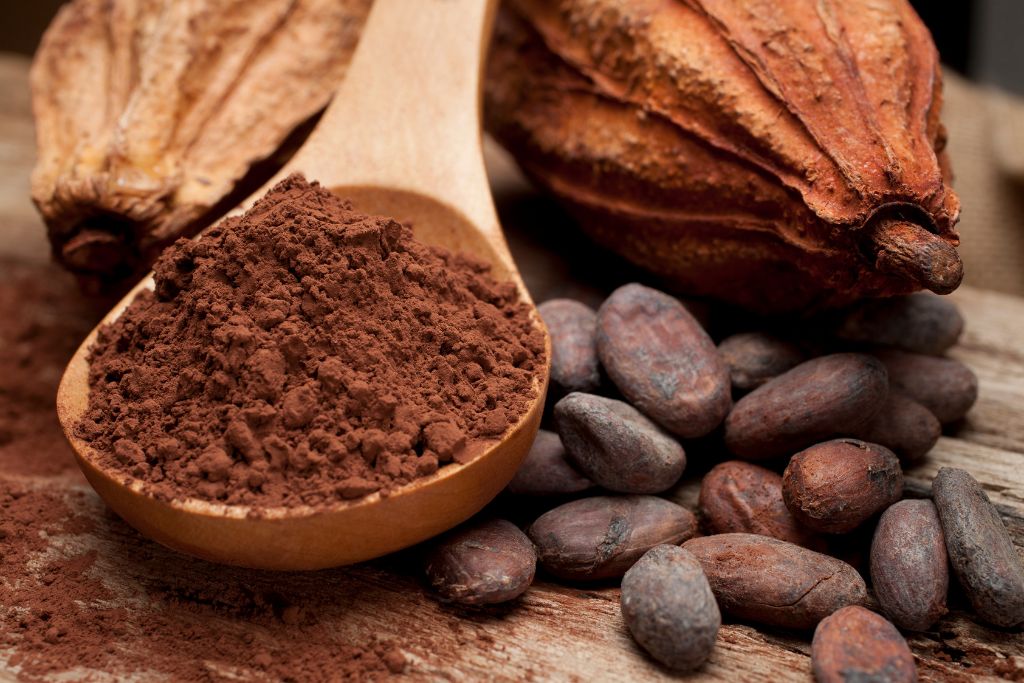
Chocolate comes from the pods that grow on cocoa trees, which are small plants that only grow in the tropics. Every year, approximately 4.7 million tons of cocoa are produced worldwide. About 70% of the global supply comes from West Africa and a significant portion, albeit lower, from Indonesia.
Much of today’s cocoa is grown in monocropping systems – an agricultural practice where a field is used for the production of pure stands of one crop only. This controversial technique is infamously known for reducing the availability of certain nutrients and degrading the soil, thus disrupting food systems. Furthermore, monoculture cultivation is often undertaken with a heavy reliance on pesticides and other chemicals which pollute the soil as well as waterbodies such as rivers and streams, threatening marine wildlife.
Fortunately, cocoa can be grown in a much more sustainable and eco-friendly way known as shade-grown agroforestry, which entails planting cocoa in and among diverse trees and crops. Read More...