Forests Disappearing in Energy Poor Zimbabwean Cities
-
 Loading...
 - Sammy Baya
- 04 Apr 2023
- 66 Views
- 0 Like
- 0 Comment
In New Ashdon Park, a medium-density area in the Zimbabwean capital, Harare, at new homes that have replaced a once thriving forest, makeshift fireplaces have become common sights as residents solely depend on firewood for energy.
City dwellers like 34-year-old Neliet Mbariro, a married mother of four, live in a house that has not yet been connected to electricity.
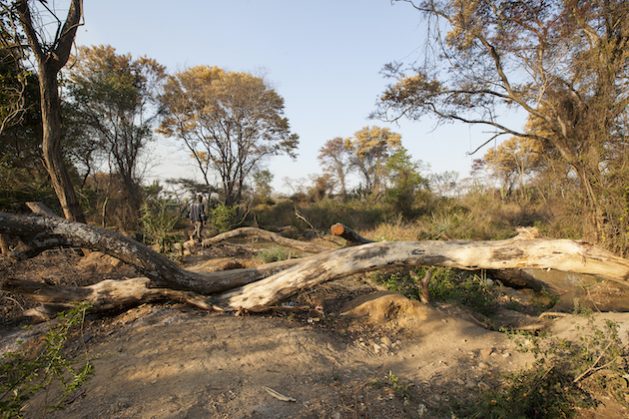
Like many of her neighbors, Mbariro has had to depend on cutting down some trees just across an unpaved road near her home.
“We cut the few remaining trees you see here so we can make fire for cooking every day. We can’t do anything about it because we have no electricity in this area,” Mbariro told IPS.
Hundreds of trees that used to define Mbariro’s area, where homes have fast emerged, have disappeared over the past two years since construction began.
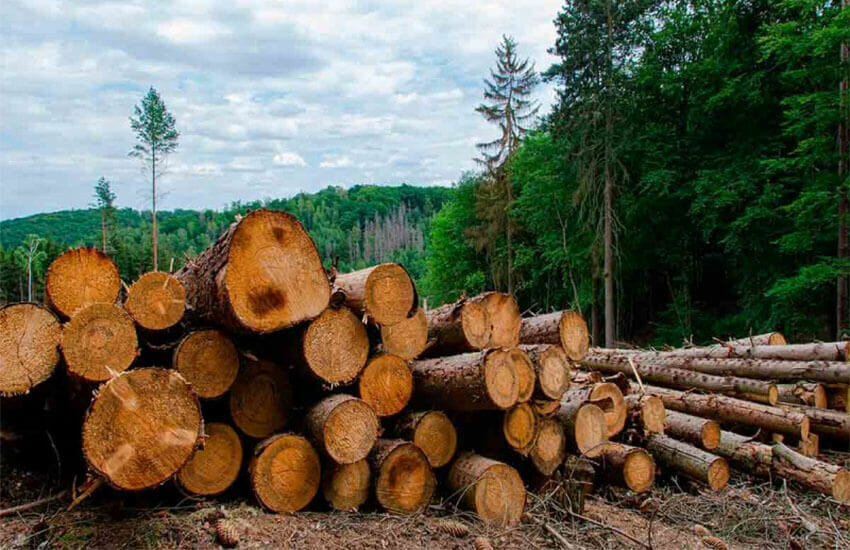
As building structures rise, vast acres of natural forests are falling as construction of dwellings and indigenous industrial facilities gather pace in Zimbabwe.
Arnold Shumba (32), a builder operating in New Ashdon Park, said with his team working in the area, they have had to do away with hundreds of trees to build homes for their clients.
“I remember there were plenty of trees; in fact, there was a huge forest area here, but those trees are no more now because as we worked, we cut them down. You only see houses now,” Shumba told IPS.
According to environmentalists, the impact of deforestation is problematic.
“Very soon, towns and cities will have no more trees left as buildings take their place,” Marylin Mahamba, an independent environmental activist in Harare, told IPS. Read More…