10 Pros And Cons Of Eating Organic Foods
-
 Loading...
 - Maxime Jacobs
- 15 Sep 2022
- 70 Views
- 0 Like
- 0 Comment
Organic food is healthier, isn’t it? At least, that’s what is widely believed. But what is the real deal? Are there any pros and cons to organic food? Yes, organic food is devoid of chemicals that are potentially harmful to health. However, a higher price point can make it inaccessible to all. Let’s take a deeper dive and learn about organic food, its benefits, and its disadvantages. Continue reading.
What Is Organic Food?
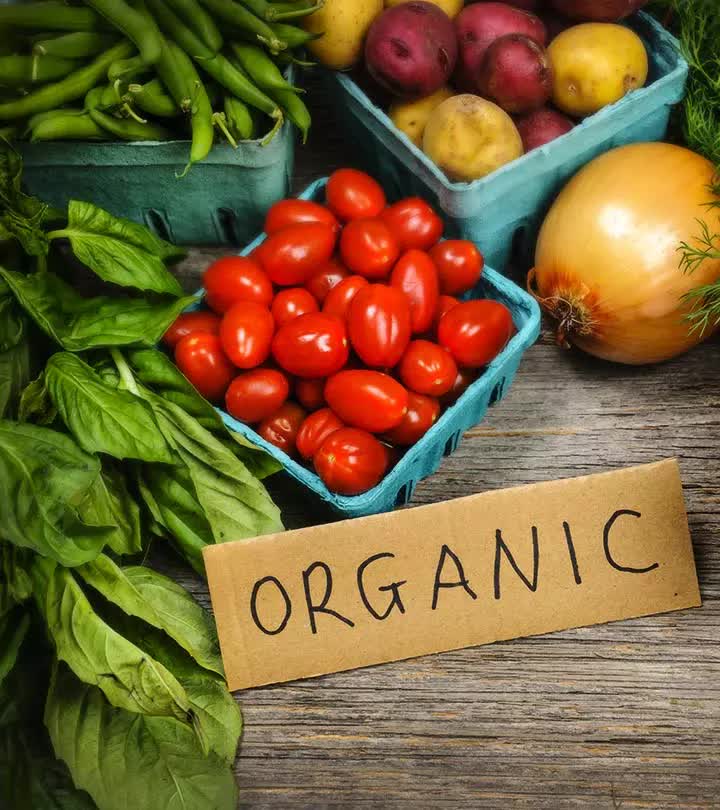
Organic food refers to crops that are grown without the use of harmful pesticides, irradiation, fertilizers, and other synthetic materials. Even the animals under organic farming are fed with organic supply devoid of synthetic growth hormones or antibiotics. Today, you can find store shelves stacked with organic snacks and cereals along with usual vegetables, fruits, milk, and meat .
Here we present the pros and cons of organic foods to simplify your decision to go for it or refrain from it:
Let’s have a look at the various pros of eating organic food:
1. No Chemicals
Unlike conventional farming, organic farmers are restrained from using synthetic fertilizers, chemical additives, or preservatives in their produces. As such, the food you eat has no chemical residues to harm your body. And you are also safe from poisonous pesticides posing serious health issues.
2. Eco-Friendliness
Organic farming is a boon to our deteriorating environment. As it does not go by the principle of increasing crop size, it has lesser complications for the soil and atmosphere. They also conserve water for our future. In organic farms, there is increased diversity of crops.
3. High Nutritional Values
As compared to conventional farming, organic products are rich store houses of minerals. Organic farming increases the potency and benefits of soil. As such, these benefits are passed on to you whenever you eat these products. Read More...