10 Tips To Follow When Shopping Online
-
 Loading...
 - Kanomi Hassan
- 17 Feb 2023
- 73 Views
- 0 Like
- 0 Comment
Online shopping is a modern phenomenon that has transformed how people buy products and services. However, with the good comes the bad.
Our lives have become increasingly reliant on online shopping —giving us the ease of making whatever purchases we desire from the comfort of our homes. The convenience comes with a number of drawbacks that can make shopping less appealing, such as security risks, scams, shipping delays, returns and refunds, and deceptive sales practices, to name a few. Even though you can’t be 100% safe when shopping online, at least there are some measures you ought to take —and with them, to an extent will help you shop online safely and confidently.
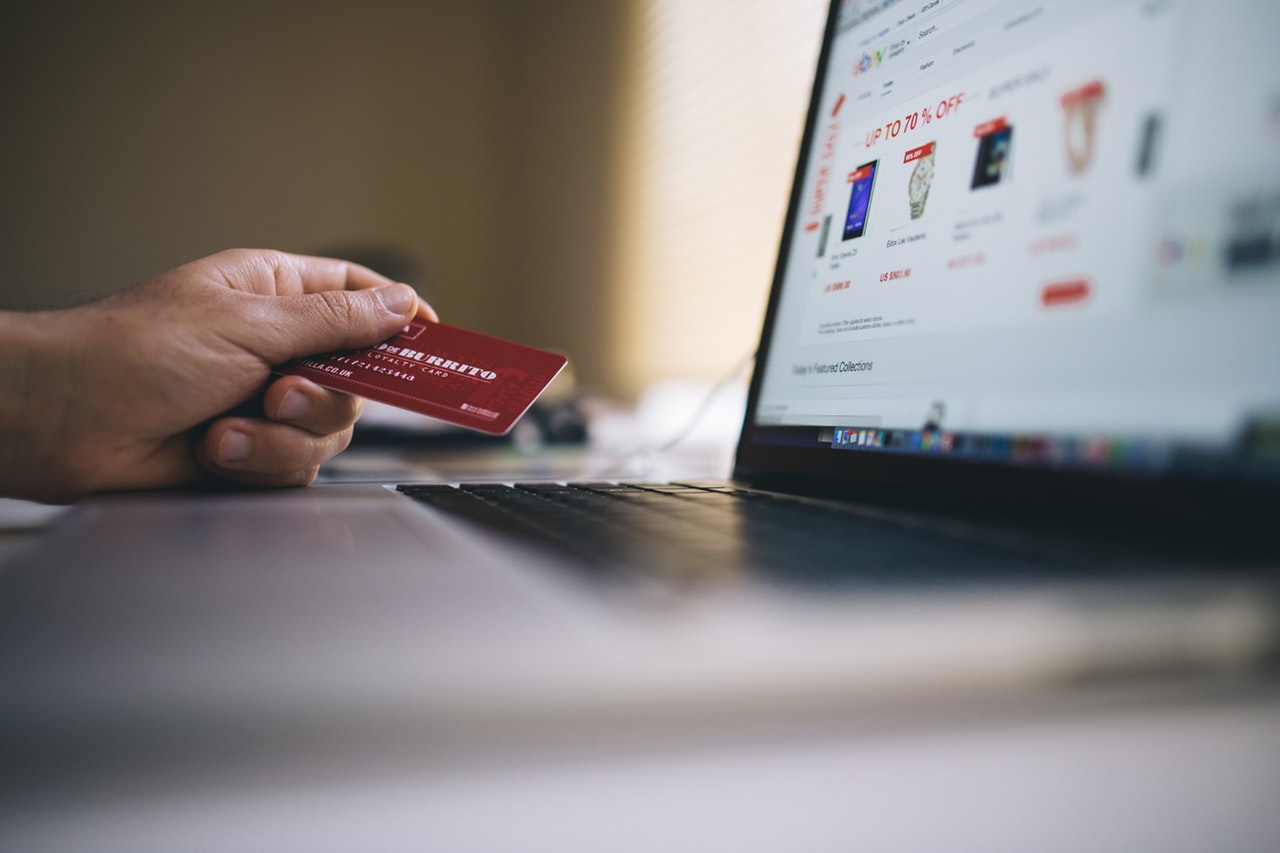
So, for those who are curious, what exactly is online shopping? Well, online shopping is the act that allows consumers to directly buy goods or services from a seller(s) over the internet using a web browser or a mobile app. Customers may browse an online merchant’s product selection, find a product of interest adds the item(s) to their shopping cart, then complete the transaction using a credit card, debit card, or other secure payment methods. Customers can shop online using a range of different computers and devices, including desktop computers, laptops, tablet computers, and smartphones.
An online shop evokes the physical analogy of buying products or services at a regular “bricks-and-mortar” retailer. While shopping online offers the convenience of making purchases from the comfort of your own home, there are a number of tips to look out for to help you shop online safely and confidently —among which include;
- Shop from reputable websites: Always make sure to shop from websites that are well-established and have a good reputation. You can check for customer reviews, ratings, and feedback to ensure that the website is reliable.
- Use secure payment methods: When shopping online, it is important to use secure payment methods such as credit cards or PayPal to protect your personal and financial information. Avoid using debit cards as they offer less protection.
- Check for security certificates: Before entering any personal or financial information on a website, make sure that it has a secure connection by checking for security certificates such as SSL (Secure Socket Layer) or TLS (Transport Layer Security). Read More…