Five Mountain Climbing Safety Tips
-
 Loading...
 - Lotta Koskinen
- 07 Jun 2023
- 73 Views
- 0 Like
- 0 Comment
Mountain climbing is a thrilling and challenging outdoor activity that offers breathtaking views and a sense of accomplishment. However, it is also an inherently dangerous pursuit that requires proper preparation and precautions to ensure your safety. In this comprehensive guide, we will provide you with five essential mountain climbing safety tips that will help you navigate the treacherous terrains with confidence and minimize the risks associated with this exhilarating adventure.
1. Acquire Proper Training and Experience
Before embarking on any mountain climbing expedition, it is crucial to acquire proper training and experience to handle the physical and mental demands of the activity. Attending mountaineering courses, joining climbing clubs, and practicing on smaller peaks are excellent ways to build your skills and knowledge. By doing so, you will learn essential techniques such as rope management, knot tying, route finding, and hazard assessment, which are vital for a safe climb.
2. Perform Thorough Research and Planning
Adequate research and meticulous planning are paramount for a successful mountain climbing experience. Start by gathering information about the mountain you intend to climb, including its elevation, weather patterns, route options, and potential hazards. Reliable sources like reputable climbing guidebooks and websites such as Wikipedia can provide valuable insights.
Once you have gathered the necessary information, create a detailed itinerary that outlines the timeline, camping spots, water sources, and emergency exit plans. Share this plan with a trusted friend or family member who can notify the authorities in case of any unforeseen circumstances. Remember, a well-prepared climber is a safer climber.
3. Invest in Quality Gear and Equipment
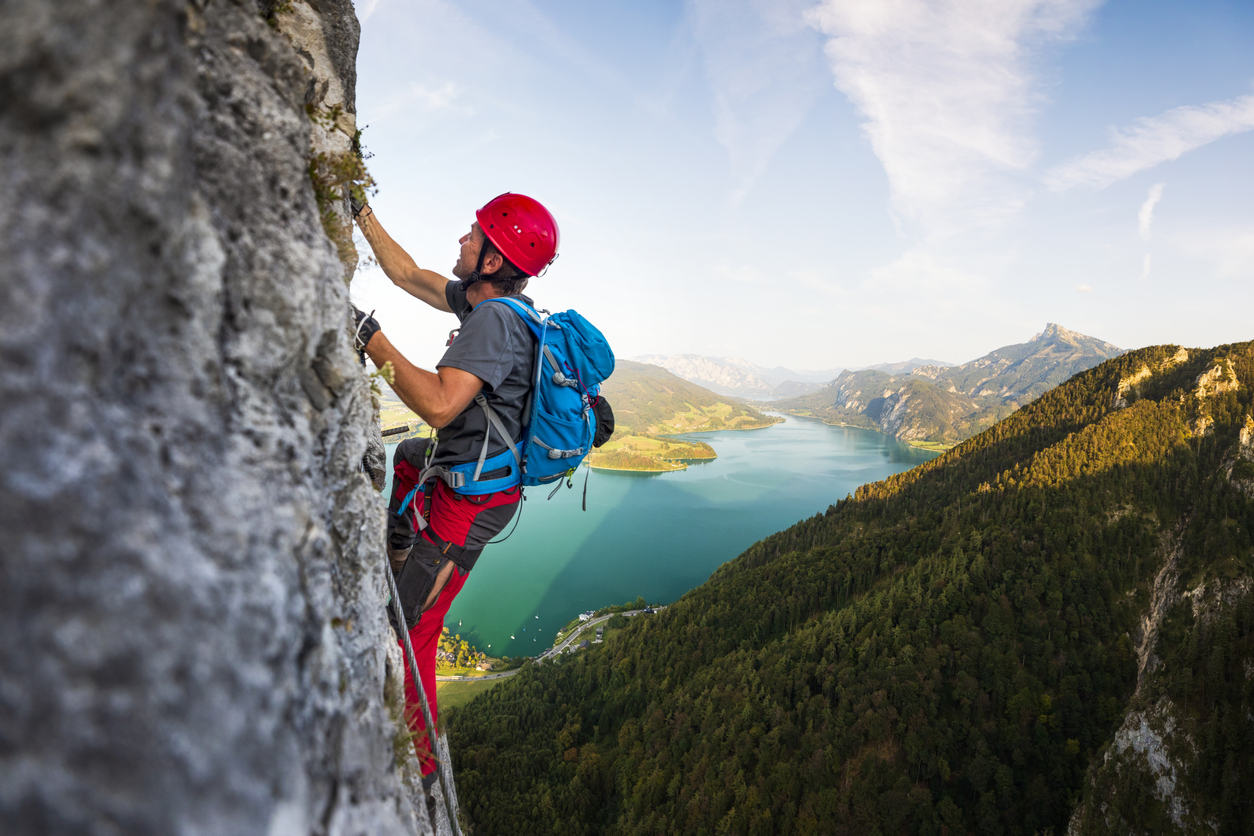
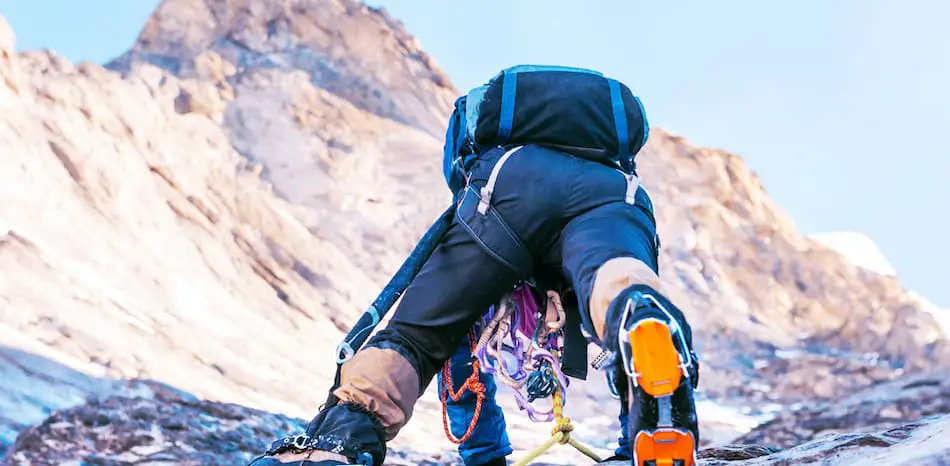
Using high-quality gear and equipment is essential for ensuring your safety during a mountain climb. Invest in sturdy and properly fitted climbing boots, crampons, harnesses, helmets, and ropes. Your gear should be in excellent condition and regularly inspected for any signs of wear or damage.
Additionally, dress appropriately for the prevailing weather conditions, layering your clothing to regulate body temperature. Opt for moisture-wicking and insulating materials to stay dry and warm. Don't forget to pack essential items like a first aid kit, navigation tools, extra food and water, and emergency signaling devices. Always carry a headlamp or flashlight, even if you plan to return before dark, as unforeseen circumstances can delay your descent.
4. Understand and Assess the Risks
Mountain climbing involves inherent risks, and it is crucial to understand and assess them before setting foot on the slopes. Analyze the terrain and identify potential hazards such as rockfall, avalanches, crevasses, and inclement weather. Familiarize yourself with the signs of altitude sickness, hypothermia, and frostbite, and be prepared to recognize and address these conditions promptly.
Stay up-to-date with weather forecasts and consult local authorities or experienced climbers for current conditions. Always be ready to adjust your plans or turn back if the risks outweigh the rewards. Remember, mountains are always there, and your safety should always be a top priority.
5. Climb with a Knowledgeable and Experienced Partner
Climbing with a knowledgeable and experienced partner significantly enhances your safety during a mountain climb. A seasoned partner can provide valuable guidance, help assess risks, and offer critical decision-making support. Together, you can watch out for each other, share the load of equipment and responsibilities, and provide assistance in case of an emergency.
Ensure effective communication with your partner by using a standardized set of climbing signals or walkie-talkies. Establish clear expectations and discuss contingency plans in case of separation or other unforeseen situations. Remember, a reliable climbing partner can make all the difference between a successful climb and a potential disaster.
FAQs About Mountain Climbing Safety
1. Q: What are the essential skills required for mountain climbing?
A: Essential skills for mountain climbing include rope management, knot tying, route finding, hazard assessment, and proper use of climbing equipment. Acquiring these skills through training and practice is crucial for a safe climb.
2. Q: How can I prepare for the physical demands of mountain climbing?
A: To prepare for the physical demands of mountain climbing, engage in regular cardiovascular and strength training exercises. Focus on building endurance, leg strength, and core stability. Hiking and backpacking with a weighted pack can also help simulate the challenges of climbing.
3. Q: What should I do if I encounter bad weather during a climb?
A: If you encounter bad weather during a climb, it is crucial to prioritize your safety. Seek shelter in a protected area, such as a rock overhang, until the weather improves. If the conditions worsen or pose a significant risk, consider descending and attempting the climb on another day.
4. Q: How do I recognize the symptoms of altitude sickness?
A: Altitude sickness can manifest in symptoms such as headache, nausea, fatigue, dizziness, and shortness of breath. Pay attention to these signs, especially when ascending to higher elevations, and take appropriate measures such as rest, hydration, and descent if symptoms worsen.
5. Q: What should I do in case of an emergency during a climb?
A: In case of an emergency during a climb, prioritize your safety and that of your climbing partner. If possible, call for help using your emergency signaling devices or shout for assistance. Administer first aid to the best of your abilities and follow your emergency exit plan to reach the nearest point of safety.
6. Q: Is it possible to climb mountains alone?
A: Climbing mountains alone is not recommended, especially for inexperienced climbers. It is always safer to climb with a knowledgeable and experienced partner who can provide support and assistance in case of emergencies.
Mountain climbing is a thrilling and challenging adventure that offers unparalleled rewards. However, it is essential to approach it with caution and prioritize your safety above all else. By following the five mountain climbing safety tips outlined in this guide, you can mitigate risks and increase your chances of a safe and successful climb. Remember, thorough preparation, proper training, quality gear, risk assessment, and a reliable climbing partner are the keys to an unforgettable and secure mountain climbing experience.