Gardening with the climate in mind
-
 Loading...
 - Hayley Baker
- 30 Nov 2021
- 655 Views
- 0 Like
- 0 Comment
Our first impressions of the Algarve were shaped by the plants and trees that we saw here when on holiday. Whether in the summer heat in August and September seeing blue Eryngium maritimum (sea holly) on the beach with the Pancratium white sea daffodil flowers; or in January and February when the almond blossom is painting pink outlines against the blue sky; or in April and May for the spectacular wildflowers, cistus (rock roses) and native orchids.
Having seen these plants in the Algarve, it was a logical next step to try and increase the diversity in the land around our house. We could see plants that are adapted to do well in the difficult conditions of long, hot dry summers in thin poor soils and the short sharp rains of winter with stormy winds and the occasional air frost. A very typical mediterranean climate, in common with many other parts of the world.
Being basically lazy gardeners, it seemed like common sense to go with the climate and abandon high maintenance.
We have had our garden here since 2004 and the plants have to fend for themselves. We have no automatic watering systems and the most special care they might receive is a rabbit guard! Right from the start, our great pleasure was to venture out and about in our four-acre plot just looking, observing the huge diversity of wild plants that had made their home on this long-abandoned carob farm.
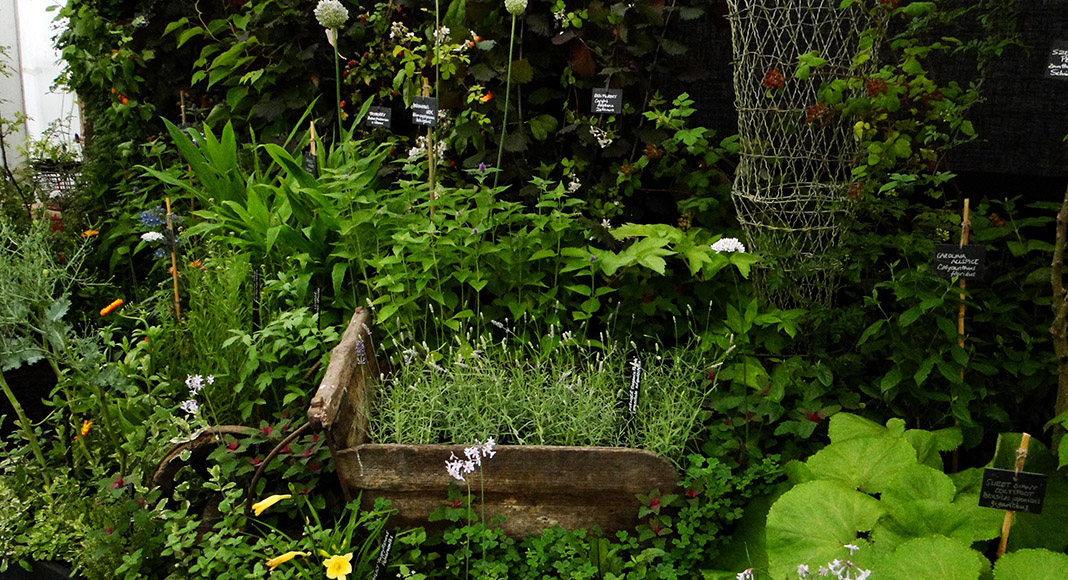
We had olives, almonds and carobs – classic dry orchard trees of the Barrocal. Nature had filled the gaps for us with lovely examples of the native evergreens such as Myrtle, Rhamnus and the Lentisk bush. So, if cistus does well, then try using more cistus; if phlomis, rosemary and lavender do well, try different species of these plants.
It was not always possible to resist the urge to buy and plant the more exotic or unusual plants we saw for sale here, but it soon became obvious that we could not live with that kind of garden. Some have made great container plants, but I have a bucket with the labels of all the plants I have killed – a very good lesson in humility.
We learned quickly that the old adage “The right plant in the right place” was the way forward. That was swiftly followed by lessons on when and how to plant. We learned that autumn and winter are the best months for planting new areas.
Choose small plants with big root systems. If necessary, reduce top growth by pruning to achieve a balance with the roots. All plants benefit by having a ‘watering bowl’ made in the earth around the plant. This captures rain water, directing every drop down to the all important roots. Read More…