10 Tricks For Getting Clearer Skin Overnight
-
 Loading...
 - Bertha Friedrich
- 16 Jun 2022
- 236 Views
- 0 Like
- 0 Comment
Most of us have been there: You have a big day coming up, so you're making sure to take time to get ready for bed and set yourself up for success the next morning when you spot an angry pimple or two forming right before going to sleep. What can you do? Treating acne overnight can feel intimidating and nearly impossible. .. but luckily, there are a few ways to go about doing so that are all not too difficult to achieve.
There are a lot of reasons why we get pimples, and there are just as many ways to treat them. While it might seem like the best course of action you can take is to immediately pop the pimple and be done with it, experts recommend against doing so whenever possible. Instead, try to relax.
Here are 10 ways to treat acne overnight, from getting a good night of sleep to brewing a pot of green tea and much more.
Wash your face before you go to sleep
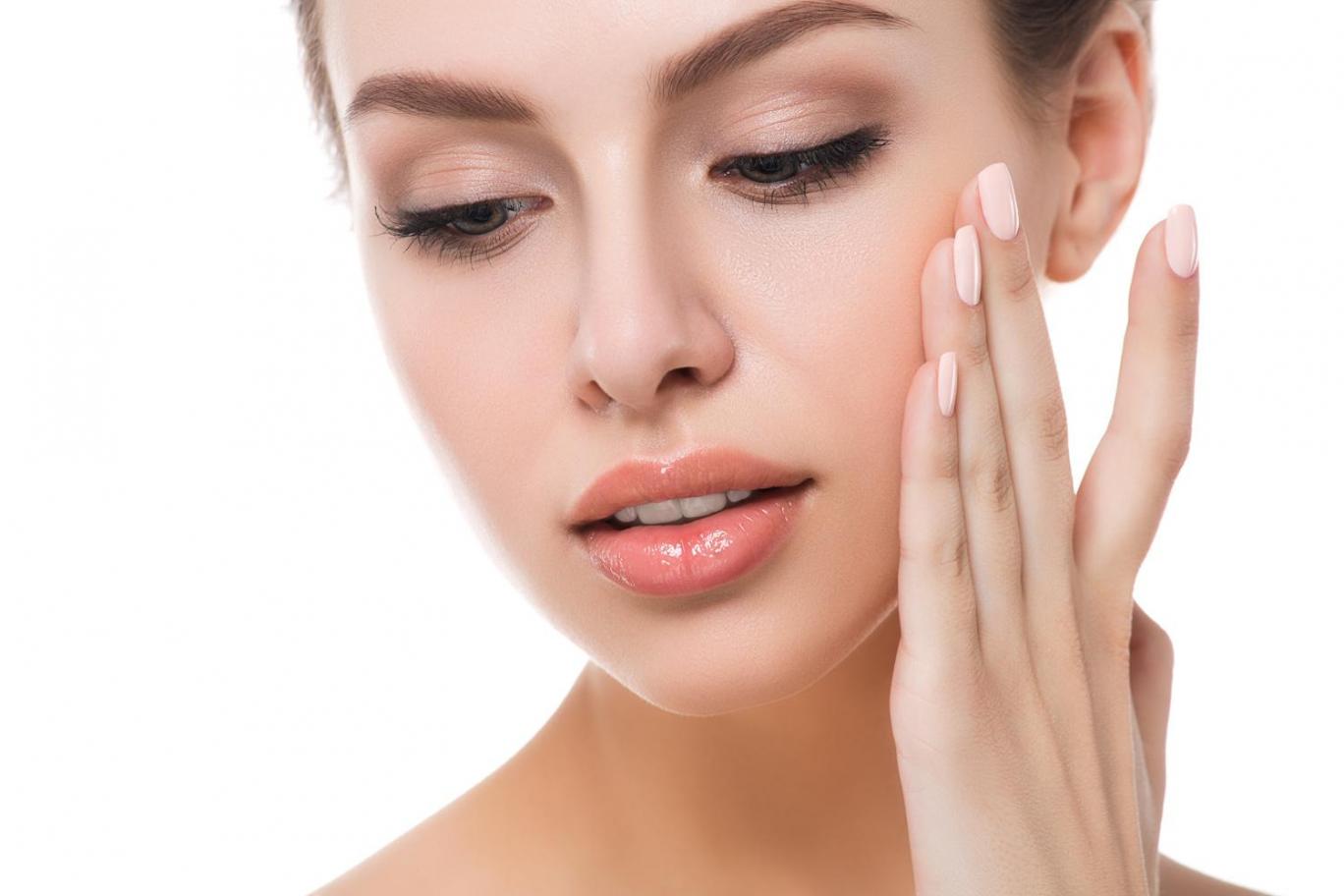
It might seem obvious to some, but one of the best ways to keep your skin clear overnight is by making sure you wash it before getting into bed, especially if you have been wearing make-up or spent a lot of time outside during the day.
It's not too difficult to find a facial wash that doubles as an acne-fighting agent these days, which can even help lower the steps involved in your nighttime face care routine.
When it comes to properly washing our faces, there are two areas people tend to forget about. He explained, "Make sure to wash the T-zone and U-zone (around the jawline), as these are areas people tend to ignore."
Being gentle is the name of the game both before and after cleansing, and after you're finished washing, just make sure to slowly pat your face dry with a clean towel or simply use your clean hands to manually squeegee the water off.
Make your own face mask
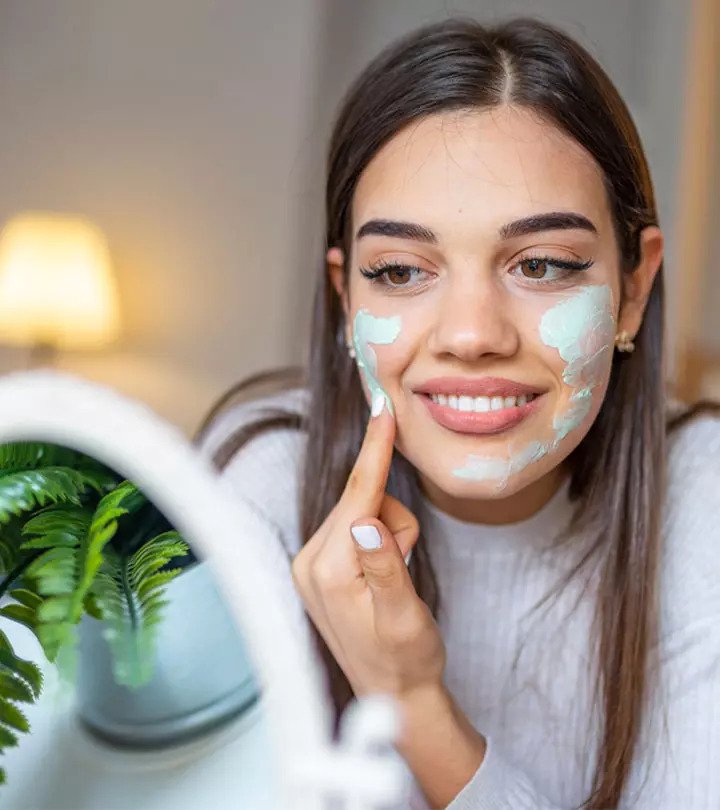
Another way to combat active skin overnight is by making (and possibly sleeping in) your own face mask. You don't have or need to do this every night, and a lot of face mask recipes don't require you to have outrageous or hard-to-find ingredients on hand.
Making your own face mask is a great alternative for people who either don't have the funds for expensive treatments or who feel hesitant about the ingredients used in a lot of face masks you can find in stores. There are quite a few simple face masks out there (such as one that only requires baking soda and water, as shared by Our Everyday Life).
Your skin will reap different benefits depending on what you're putting into your face mask. As Penn Medicine notes, masks can hydrate, exfoliate, and more — the options are nearly endless, and you can have fun and even relax by coming up with your own acne-treating concoctions at home.
Apply aloe vera before going to sleep
At first glance, it might not seem like the same treatment you can use for sunburned skin will also work on your acne, but it turns out it's true. According to Healthline, aloe vera can help with mild to moderate acne by calming the inflammation, much as it soothes your skin if you've been outside without sunscreen for too long.
The site suggests that the best way to use aloe vera for acne is to first buy pure aloe vera and then rub it all over your skin as you would a facial cleanser. If you're looking for more of a direct spot treatment, aloe vera wins again. It turns out you can apply a little bit to individual acne and leave it on overnight. When you wake up, your skin should be clearer and less inflamed. Ta-da!
Aloe vera also has a few other healing properties as well. You can use it to clean wounds and even treat moderate burns (via Healthline).
Retinol can also be an effective overnight treatment
Retinol is another option for acne and is effective as a treatment that is applied before you go to sleep. In fact, Healthline points out that using the treatment at night is ideal, noting that one reason is the topical medication can make your skin extra sensitive to the sun.
It can stimulate the metabolism of skin cells and encourage collagen production. Its magic is in its ability to resurface the skin's texture for a smoother, more even-toned look."
Of course, retinol isn't for everyone. As Healthline notes, it can cause plenty of side effects, including dry skin and even peeling skin. It's worth checking in with your dermatologist before beginning treatment with retinol.
Make sure you get plenty of sleep

This is another suggestion that might feel obvious, but one of the best things you can do for your skin is to make sure you are getting tons of sleep at night. In fact, Stryx notes that skin deprivation, especially when it is chronic, can cause your face to break out because not sleeping stresses out your body, which in turn can impact your emotions and anxiety and even lead to depression. Each of these factors on its own can be enough to cause a breakout. Read More...