10 Ways to Improve Your Photography: Capture the Perfect Shot Every Time
-
 Loading...
 - felix erin
- 18 May 2023
- 64 Views
- 0 Like
- 0 Comment
Looking to enhance your photography skills? Discover 10 effective ways to improve your photography and capture breathtaking shots with this comprehensive guide. From mastering composition techniques to utilizing natural lighting, these tips will take your photography to the next level.
Photography is a captivating art form that allows us to freeze moments in time and create lasting memories. Whether you're a beginner or an experienced photographer, there's always room for improvement. In this article, we will explore 10 ways to enhance your photography skills and help you capture the perfect shot every time. So grab your camera, put on your creative hat, and let's dive into the world of stunning photography!
Click-Worthy Title:
10 Ways to Improve Your Photography: Capture the Perfect Shot Every Time
1. Master the Basics: Understanding Your Camera
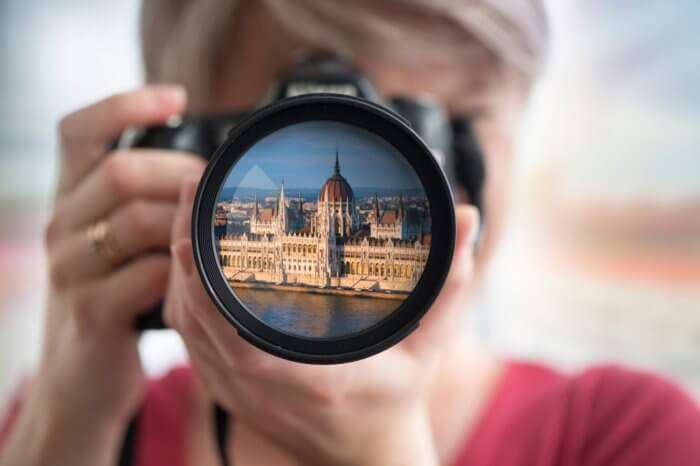
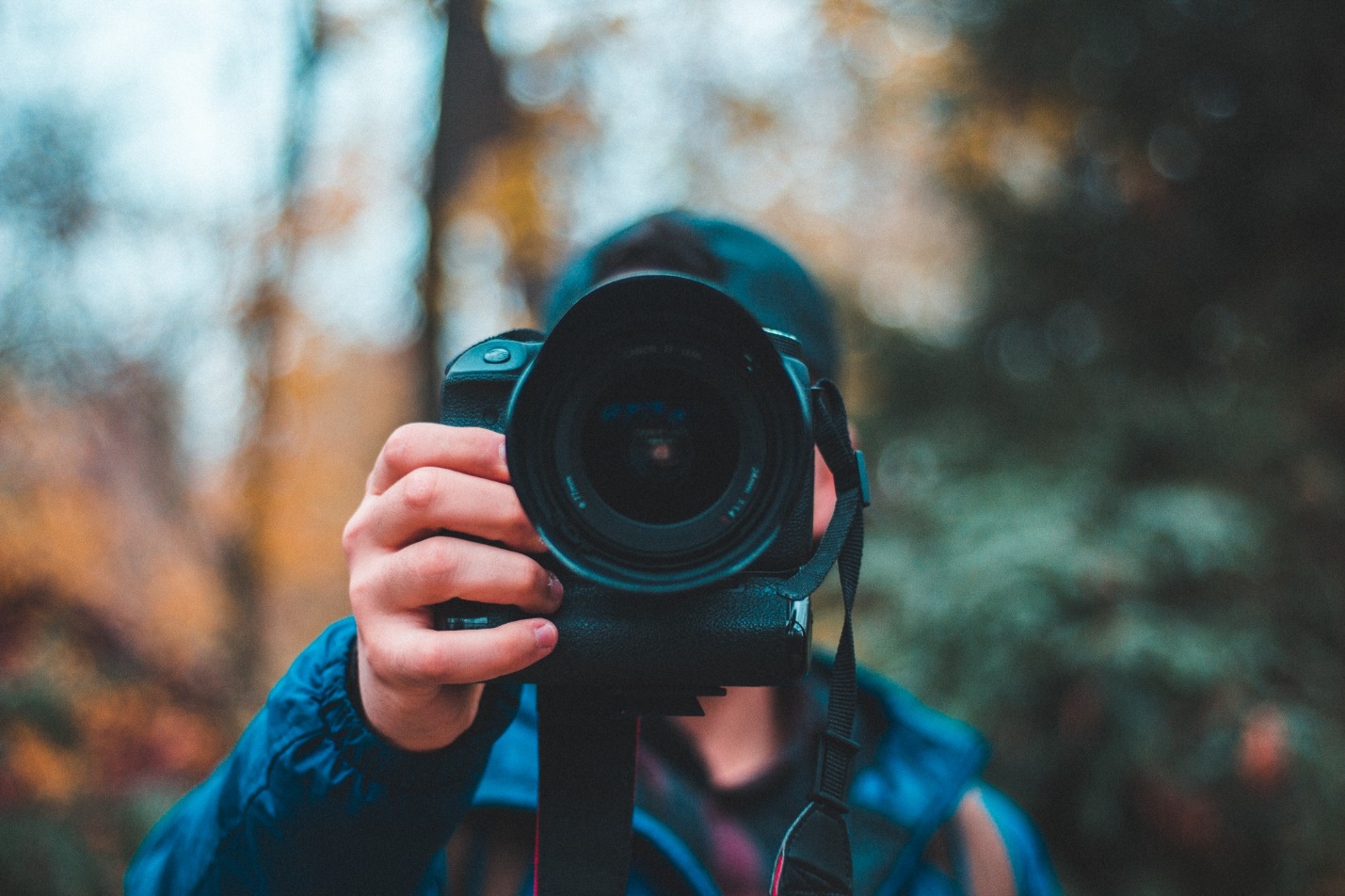
As with any skill, a solid foundation is key. Take the time to thoroughly understand your camera's settings, functions, and capabilities. Read the camera manual, experiment with different modes, and familiarize yourself with the terminology. Knowing how to adjust aperture, shutter speed, and ISO will empower you to have full control over your images and unleash your creativity.
2. Find Your Signature Style: Develop a Unique Perspective
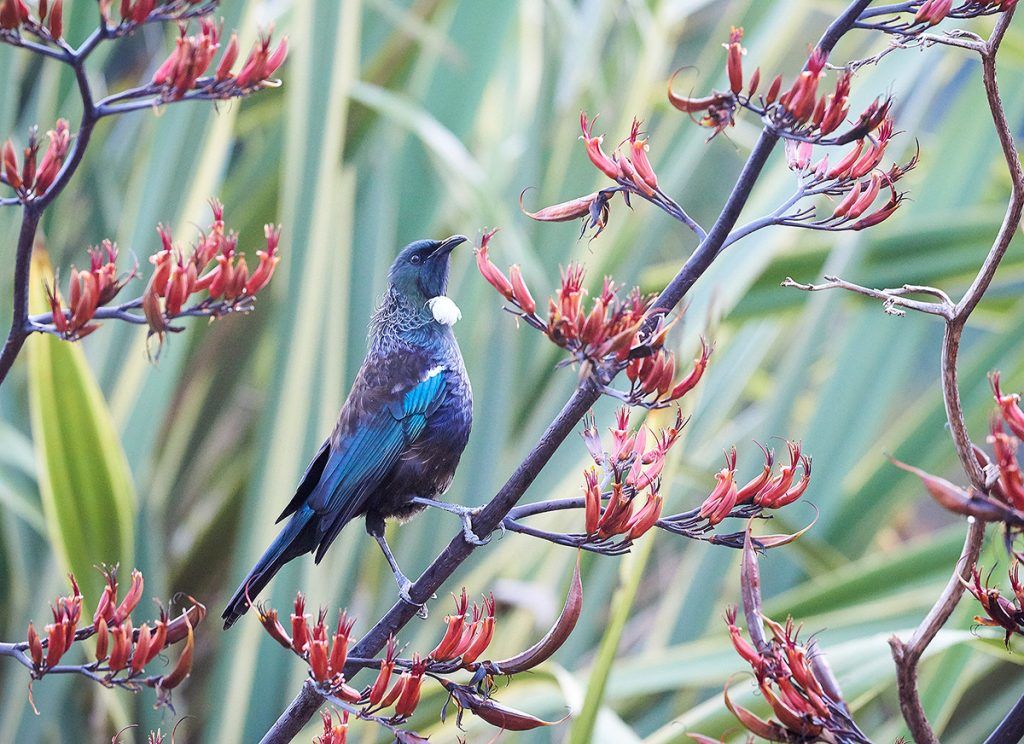
Photography is an art that reflects the photographer's individuality. Explore different genres, experiment with various subjects, and identify what ignites your passion. Developing a signature style will make your work stand out and help you create a cohesive body of work that speaks to your artistic vision.
3. Composition is Key: Rule of Thirds and Beyond
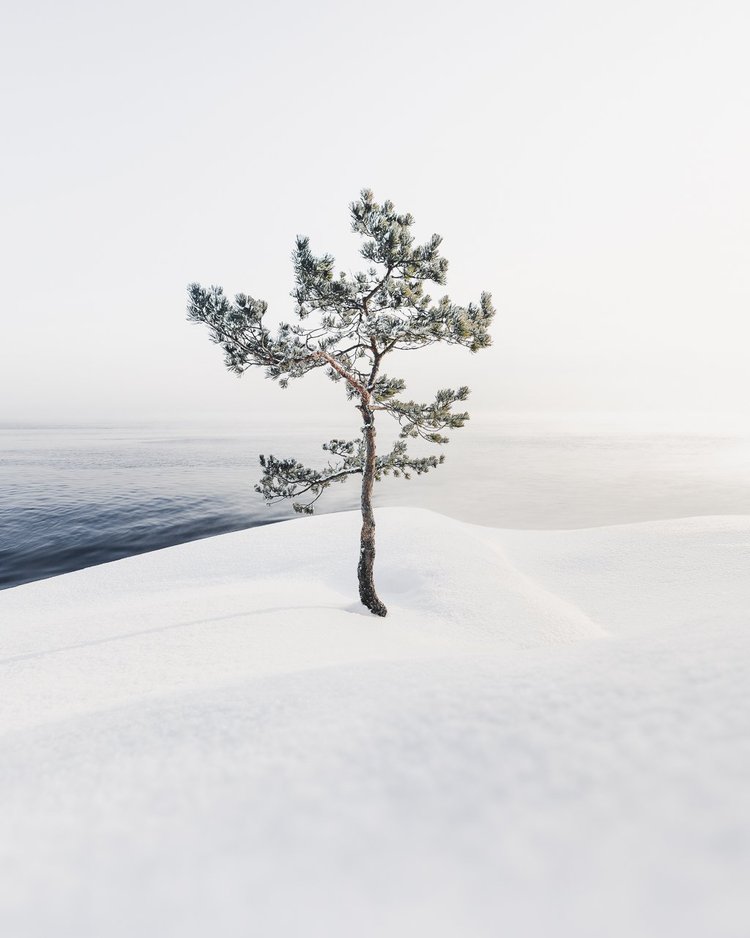
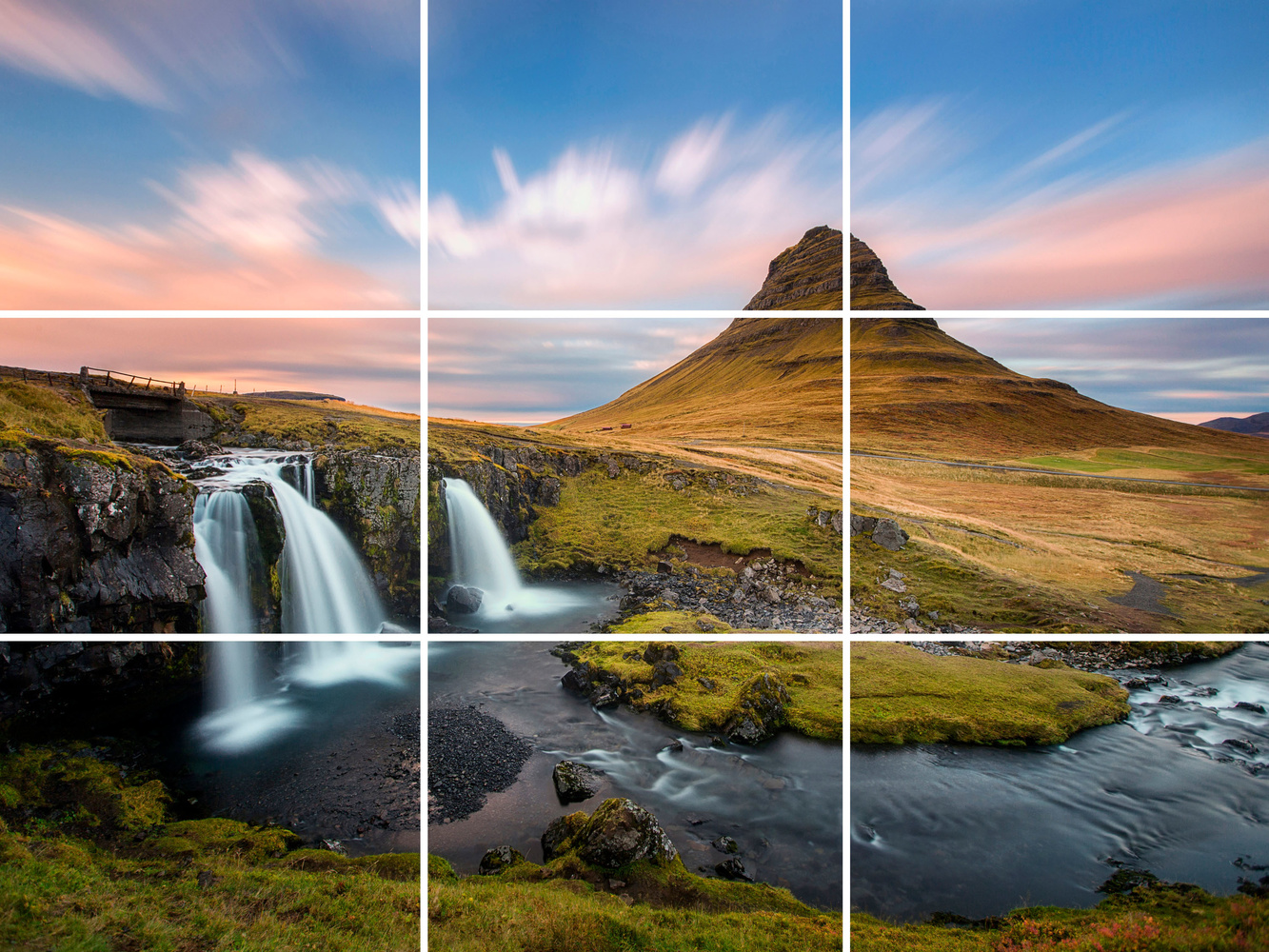
Composition plays a vital role in creating visually appealing photographs. The rule of thirds is a fundamental guideline that divides the frame into nine equal sections using two vertical and two horizontal lines. Placing points of interest along these lines or at their intersections can create more balanced and engaging compositions. However, don't limit yourself to just the rule of thirds. Experiment with leading lines, symmetry, and other composition techniques to add depth and interest to your photos.

4. Utilize Natural Lighting: Golden Hour Magic
Lighting is the backbone of photography. Make the most of natural light by shooting during the golden hour, which occurs shortly after sunrise and before sunset. The soft, warm glow during this time adds a magical touch to your images, casting a flattering light on your subjects. Avoid harsh midday sun when the shadows are intense and the light is unflattering.

5. Understand and Harness Exposure: Balancing Light and Shadow
Exposure refers to the amount of light that reaches the camera sensor. Mastering exposure ensures that your images are properly lit, with a balance between shadows and highlights. Use the camera's exposure compensation feature to make adjustments, or shoot in manual mode for complete control. Learning to read histograms and using exposure bracketing techniques can also aid in achieving optimal exposure in challenging lighting conditions.
6. Explore Different Perspectives: Get Low, Go High
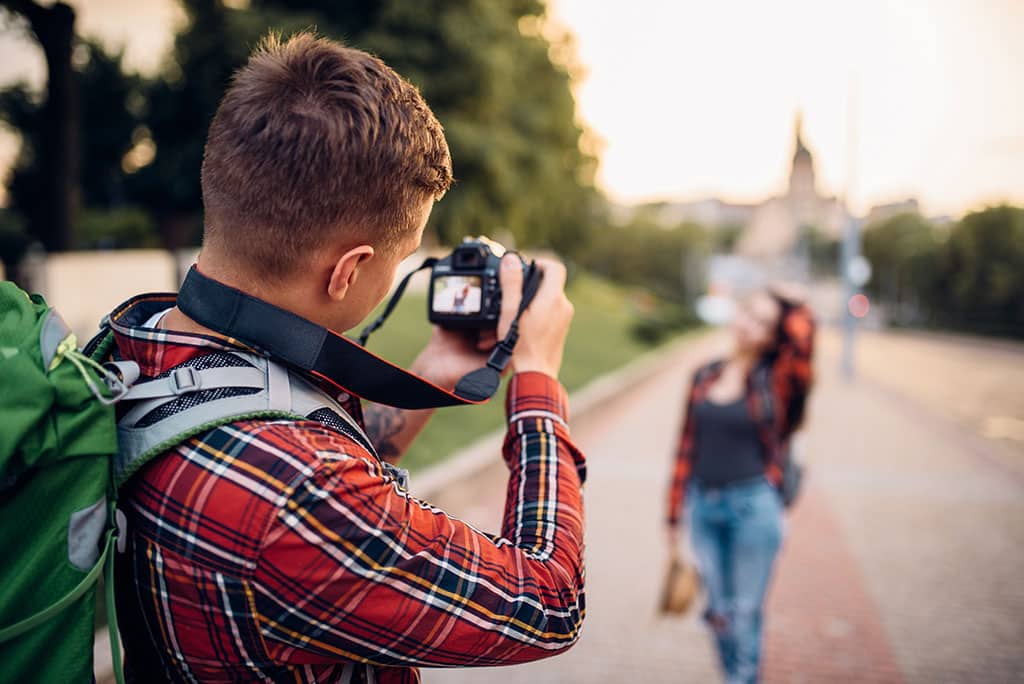
To add visual interest to your photography, experiment with different angles and perspectives. Instead of shooting at eye level, try crouching down to capture a subject from a low angle, or climb to higher ground for a unique bird's-eye view. Changing your perspective can breathe new life into familiar subjects and help you create captivating images.
7. Invest in Quality Lenses: Expand Your Creative Possibilities
While a good photographer can create stunning images with any equipment, investing in quality lenses can greatly expand your creative possibilities. Different lenses offer varying focal lengths, apertures, and optical qualities, allowing you to capture different types of shots with precision. Research and invest in lenses that align with your photography interests, whether it's landscape, portrait or food etc.
8. Embrace Post-Processing: Enhance Your Images
Post-processing is an integral part of digital photography. While capturing a great shot is important, refining and enhancing it in post-processing can take your images to new heights. Explore software such as Adobe Lightroom or Photoshop to adjust colors, tones, and apply creative effects. However, remember to maintain a balance and avoid over-processing, as it can result in unnatural-looking images.
9. Learn from Others: Study and Seek Inspiration
Photography is a continuous learning process. Take the time to study the work of renowned photographers in your chosen genre. Analyze their compositions, lighting techniques, and storytelling abilities. Seeking inspiration from others can broaden your horizons, spark your creativity, and provide new ideas to incorporate into your own work.
10. Practice, Practice, Practice: Hone Your Skills
The old adage "practice makes perfect" holds true in photography. The more you practice, the better you become. Make a habit of picking up your camera regularly and photographing a variety of subjects. Experiment with different techniques and settings. Remember, not every shot will be a masterpiece, but each click is an opportunity to learn and improve. Embrace the journey and keep pushing your boundaries.
FAQs:
Q1: How can I improve my composition skills in photography?
A1: Improving your composition skills requires practice and experimentation. Start by learning the rule of thirds and how to place points of interest along these lines or at their intersections. Explore leading lines, symmetry, and other composition techniques. Study the work of renowned photographers and analyze their compositions for inspiration.
Q2: What is the golden hour in photography?
A2: The golden hour refers to the period shortly after sunrise and before sunset when the sunlight is soft, warm, and casts a magical glow. It is highly favored by photographers due to its flattering and atmospheric lighting conditions.
Q3: Do I need expensive equipment to improve my photography?
A3: While having high-quality equipment can certainly expand your creative possibilities, it's not a prerequisite for improving your photography skills. The most important aspect is developing your artistic vision and honing your technical skills. With practice, dedication, and a good understanding of your gear, you can create compelling images with any camera.
Q4: How can I develop my own photography style?
A4: Developing your photography style takes time and exploration. Experiment with different genres, subjects, and techniques to discover what resonates with you. Look for common themes or elements in your work that reflect your unique perspective. Embrace your individuality and let it shine through in your photographs.
Q5: What role does post-processing play in photography?
A5: Post-processing allows photographers to refine and enhance their images after they have been captured. It can involve adjusting colors, tones, contrast, and applying creative effects. Post-processing is a creative tool that can help you achieve your desired vision and bring out the full potential of your photographs.
Q6: How do I overcome creative blocks in photography?
A6: Creative blocks are common in any artistic pursuit. To overcome them, try stepping out of your comfort zone and experimenting with new subjects or techniques. Engage in photography challenges or join a community of like-minded photographers to gain fresh perspectives. Taking breaks and seeking inspiration from other art forms can also help reignite your creativity.