11 Fun Ways to Stay Active Without Setting Foot in a Gym
-
 Loading...
 - Abbas Rahman
- 05 Aug 2022
- 85 Views
- 0 Like
- 0 Comment
Going to the gym is the gold standard for getting in shape, but there are countless exercises and workouts that can be performed outside of it. From childhood favorites like jumping rope to a new spin on talking a walk by adding in lunges, you can amp up your fitness with minimal or no equipment, and at no cost.
It can be difficult to figure out what to do on your own without the structure of a class or a gym. Not to fear, though—we tapped trainers for some of their favorite gym-free workout activities. Some are likely familiar, and others you may not have considered before. Read on for 11 different exercises that can be done in the great outdoors for fresh air and scenery—or in the privacy of your own home for those who prefer to keep their workouts more intimate.
01
Jumping Rope
This childhood activity is excellent exercise for adults. McCaffrey says "you’ll work your legs, core, shoulders, and arms" while jumping rope, and notes that it's not for the faint of heart due to the intensity.
She recommends practicing the motion without a rope first, to get you comfortable, before moving on to using it. For proper form, McCaffrey instructs us to "bend your arms and keep the elbows in toward your sides, hands out to the side, swing the wrists/forearms around...and jump as the hands come toward the floor." Once you've moved on to using a jump rope, work in timed intervals, such as one minute jumping and one minute rest.
02
Stair Climbs
Consider this a primitive form of using a stairmaster machine. McCaffrey says that "this modality is great because you can self regulate how fast and slow you go, depending on your cardiovascular shape, and it is really hard to cheat!" She notes that you "can do this in your own home, office, or apartment building," making it an accessible activity for most. You'll use your glutes, quads, abs, hamstrings, and calves in stair climbing. For safety, McCaffrey says to "be especially mindful going down the stairs and use the handrail to stay safe. On the way down, keep a soft bend in your knees and a slight shift of your hips back." Aim for 15 minutes of stair climbing, and try out these variations:
1. Every other stair
2. Every stair sideways
3. Repeat second side
4. Sideways every two stairs
5. Every other stair, twisting toward the top leg
03
Track Laps
Though it might not sound exciting, Leigh says track runs can be more fun if you "get creative in the durations, and challenge yourself on when to push." One example of varying things up on a track is her recommendation to "walk 100m, jog 100m, sprint 100m, and walk another 100m," then repeat. In addition to improving your cardiovascular health, running will work your full lower body as well as your core. Aim for at least a half hour of combined walking and running to get the most out of it.
04
Monkey Bar Hang
You may think of this activity as only working your shoulders, but McCaffrey tells us that it's "also a really fantastic total body isometric" move. To hang from the monkey bars in a way that will feel more like exercise, she instructs us to "jump up to a high bar on a jungle gym, hands at least as wide as your shoulders. Draw your abdominals in and move your feet slightly forward, hollowing out your body. Squeeze your glutes and legs and pull against the bar with your hands to stabilize your shoulder girdle."
For duration, McCaffrey suggests starting with a five-second hold and having an end goal of being able to hang for stretches of 30 seconds at a time. Monkey bar hangs will exercise your lats, delts, forearms, abs, and obliques.
05
Hike the Hills
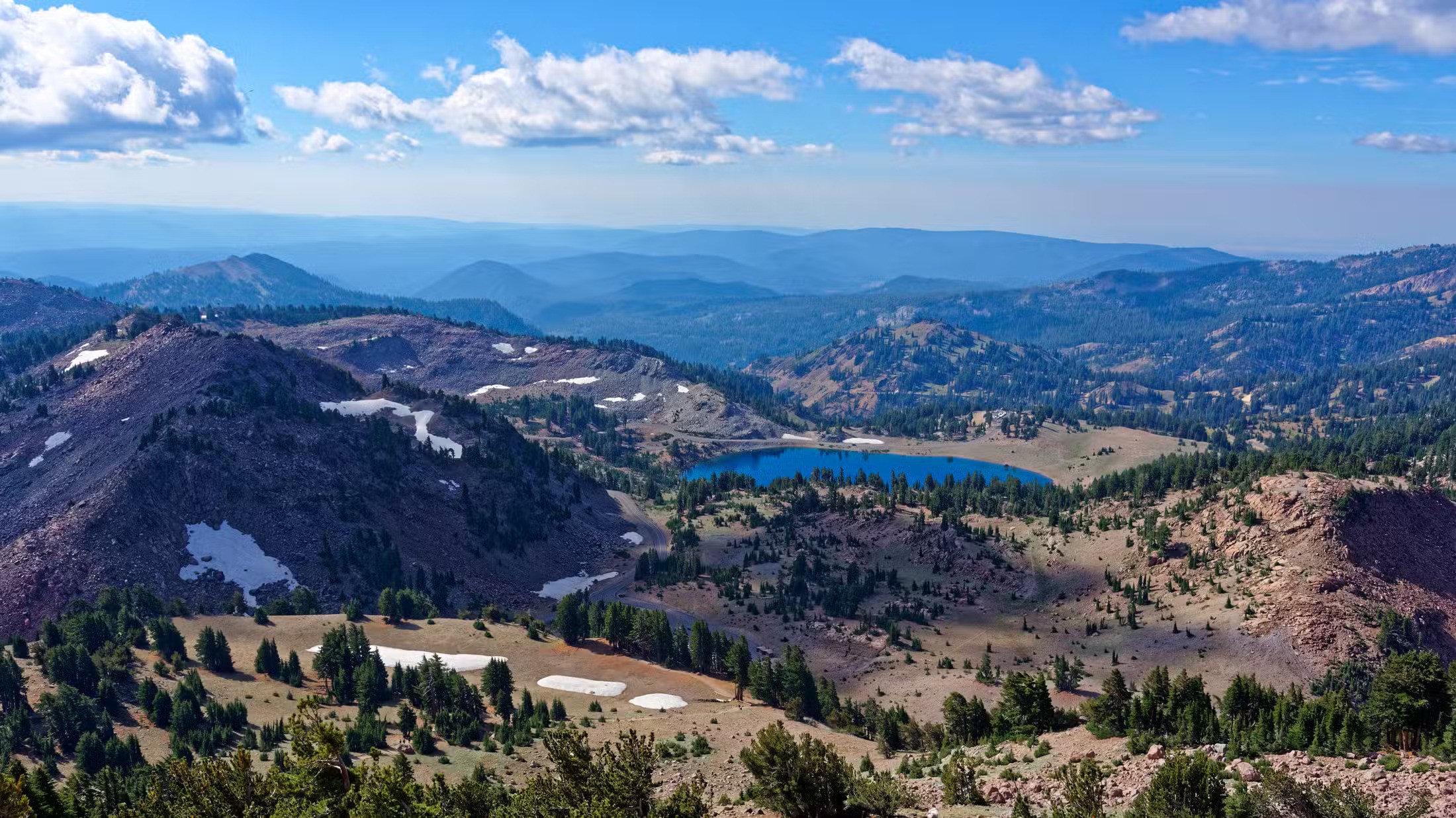
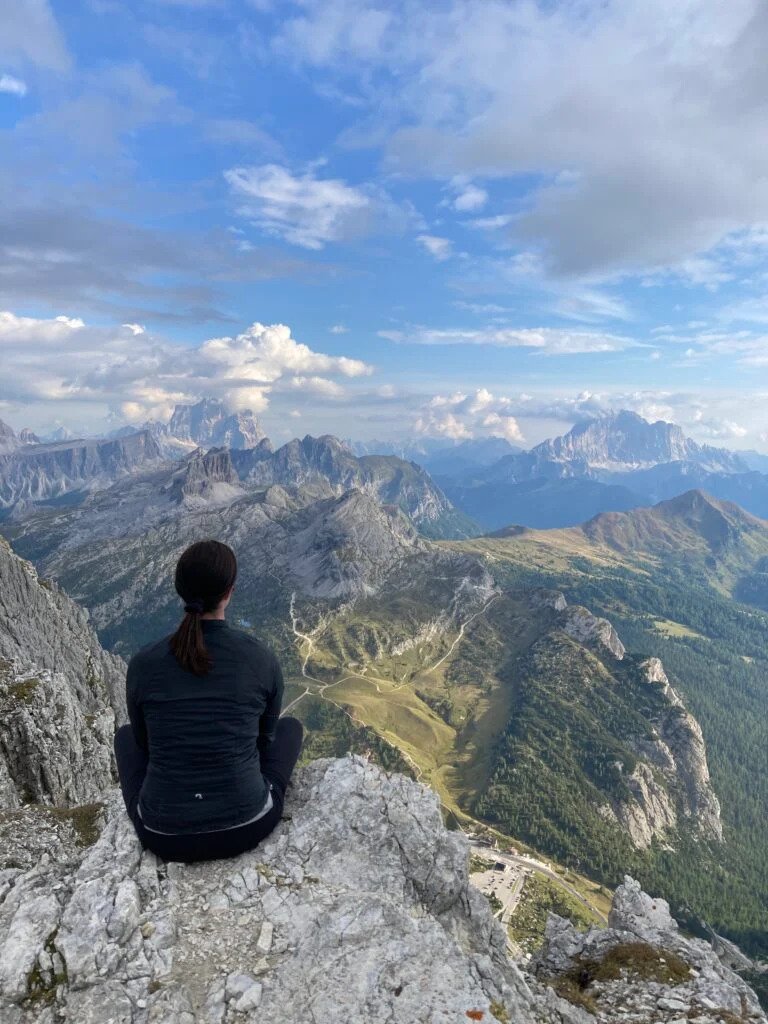
More than simple walking because of the incline, hiking is an exercise that also comes with free scenery. Leigh tells us she recommends "hiking your local hills and trails to explore your hometown, and anytime you travel, hiking is a fantastic way to experience the new town." She notes that hiking works your glutes, legs, and core. Her recommendation for doing it with proper form is to keep your torso upright on the incline and brace for the descent. Those movements work the whole body, while hiking at large is a lower-body workout.
How long you'll hike for depends strongly on the amount of incline you're dealing with. Aim for an hour of hiking activity to start. Read More...