11 Things to know before visiting Brussels
-
 Loading...
 - Sylvie Payet
- 30 May 2023
- 74 Views
- 0 Like
- 0 Comment
I have had the privilege and pleasure of considering Brussels my home for numerous years. As the lively capital of Belgium, it serves as a bustling European hub that warmly welcomes millions of visitors annually. However, there are some valuable insights into Belgian culture, particularly in Brussels, that can enhance your trip. Before indulging in the delights of chocolate and beer, allow me to share some local advice that will benefit new visitors to Brussels.
Embrace the Dual Nature of Brussels
Brussels encompasses both a city and a region. The city of Brussels itself is distinct from the 18 other towns, such as Ixelles, Anderlecht, Schaerbeek, Saint-Gilles, and Molenbeek, which together form the Brussels Capital Region within the federal state of Belgium. Each town has its own mayor and regulations. Locals often refer to both the city and the region as "Brussels." If you find yourself confused, don't hesitate to seek clarification from the locals.
Verify Your Airport Selection
Brussels has two airports Brussels Airport and Brussels South Charleroi. Brussels Airport, located in Zaventem, is the older and larger airport, only about a 20-minute train ride from the city center. Brussels South Charleroi Airport, situated in Charleroi, is approximately an hour's drive from Brussels and serves as a major hub for low-cost carriers in Belgium. It is not uncommon for travelers to mistake one airport for the other and miss their flights. To avoid this, double-check your booking and ensure you are aware of the correct airport. The IATA code for Brussels Airport is BRU, while CRL represents Brussels South Charleroi.
Leave the Car Behind
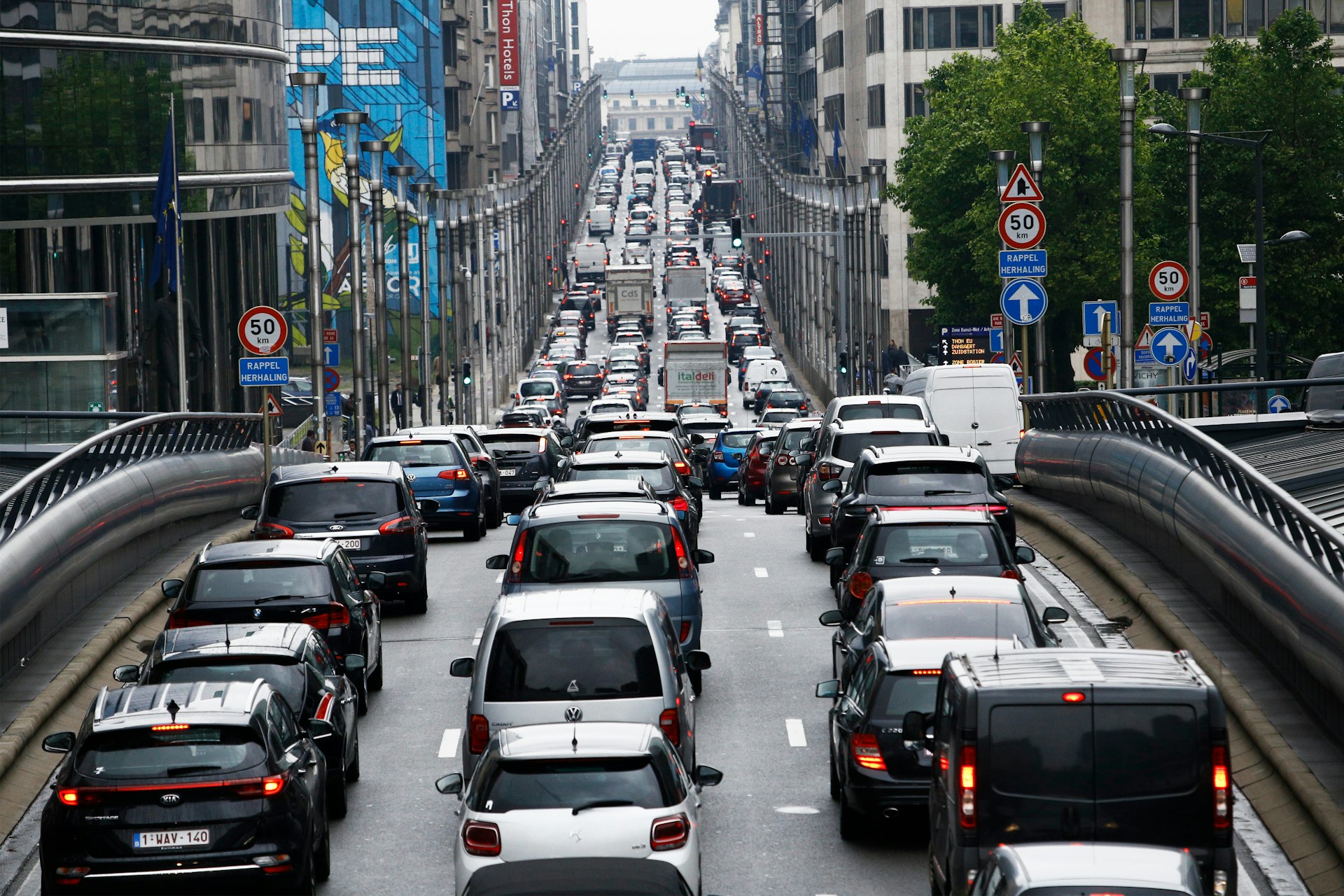
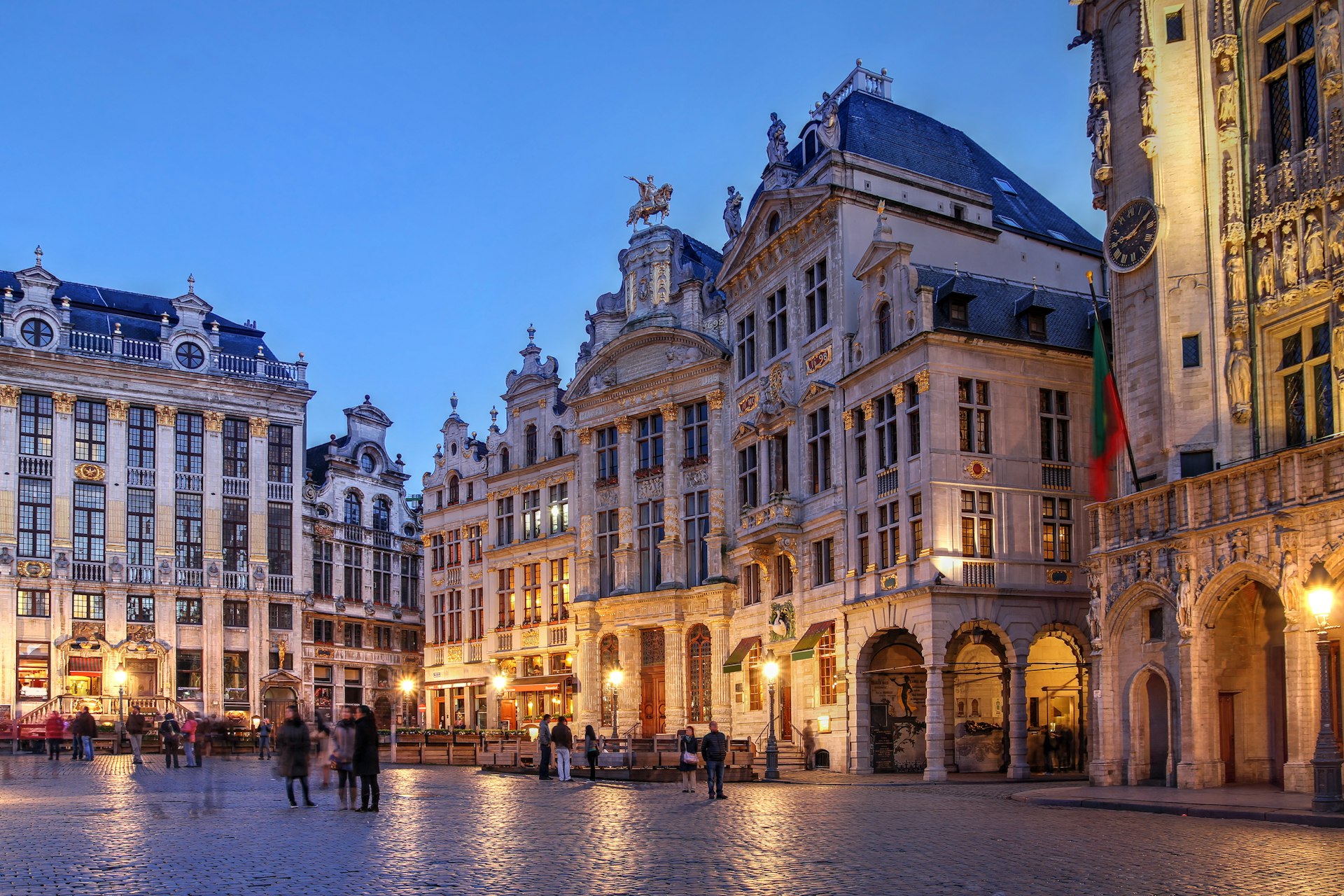
While remote work has alleviated some transportation concerns, traffic in Brussels remains a nightmare. The city ranks among the top 15 most congested urban areas in Europe. Locals frequently express frustration over the scarcity of parking spaces and the high cost of garages, which can reach €22 for a single day. Moreover, Brussels operates as a Low Emission Zone (LEZ), prohibiting the entry of older vehicles. Obtaining a pass to enter the LEZ is mandatory and free. If you must bring your vehicle, you can check its eligibility and register it on the LEZ Brussels website. However, the city center is highly pedestrian-friendly, and the public transportation system is efficient. If you do need to travel by car, a practical compromise is to park at a Park and Ride location. These areas offer free parking and are conveniently situated next to metro stations, allowing you to reach the Grand Place in no time.
Explore the City with Metro, Trams, and Buses
STIB/MIVB, the public transport authority, operates an extensive network of metros, trams, and buses in Brussels, making it easy to navigate the city. While the central areas are easily accessible, transportation becomes slightly more challenging as you venture further from the city center. Ticket vending machines are available at metro stations, as well as major tram and bus stops. For single-ride tickets, you can conveniently use contactless payment. Look for the gray validator as you enter a station or vehicle, tap your card or smartphone, and you're ready to go. Most tourist attractions, except for the Atomium, are within close proximity to each other and can be explored on foot. Therefore, a day pass may not be necessary unless you plan to visit different neighborhoods on the same day.
Embrace the Overground Train Option
One of Brussels' best-kept secrets is the overground train system, which offers an excellent means of transportation within the city. With 35 train stations, the train can often be a faster alternative to trams or buses, especially when traveling to more remote areas. Remember to purchase a ticket before boarding the train. Interestingly, the STIB/MIVB route planner does not always account for this option adequately, so it's advisable to rely on Google Maps for accurate train schedules and routes.
Plan Accordingly for Museums and Fine Dining
Mondays serve as a day off for many professionals in Brussels, including hairdressers and bakers. Consequently, museums and restaurants also tend to be closed on Mondays, with some establishments extending their closure to Tuesdays as well. While a few places may remain open, if your travel plans involve cultural activities or indulging in fine dining, it is advisable to be in Brussels during the latter half of the week to maximize your options.
Bilingualism Prevails in Brussels
As the capital of Belgium, Brussels holds official bilingual status. French and Dutch, Belgium's two primary national languages (with German being the third), dominate the linguistic landscape. Consequently, everything from road signs and advertisements to train announcements, street names, and information boards is presented in both French and Dutch. This linguistic diversity can be confusing if you're not accustomed to it. For example, the train station known as Bruxelles-Midi in French is referred to as Brussel-Zuid in Dutch. My advice is to choose the language with which you are more comfortable and stick to it. However, be aware of the two different names used for significant locations such as train stations, as many visitors have unintentionally missed their stops due to this language distinction. On a positive note, Brussels is a multicultural city where English is widely understood and spoken, so you can rely on it for most of your daily interactions. Using English instead of the national languages is unlikely to offend anyone.
Prepare for Restroom Expenses
In Brussels, restroom attendants, locally known as "Madame/Monsieur Pipi," play a vital role in cleaning and maintaining hygiene in fast-food restaurants, train stations, clubs, malls, and even cinemas. Their service is not sponsored by the establishments they work in, which means you will need to pay a small fee to use the facilities. It is customary to have loose change, typically around €0.50 to €1, available as these attendants mostly accept cash payments. Remember to offer a smile and express your gratitude as it is appreciated.
Be Weather-Ready with an Umbrella or Raincoat
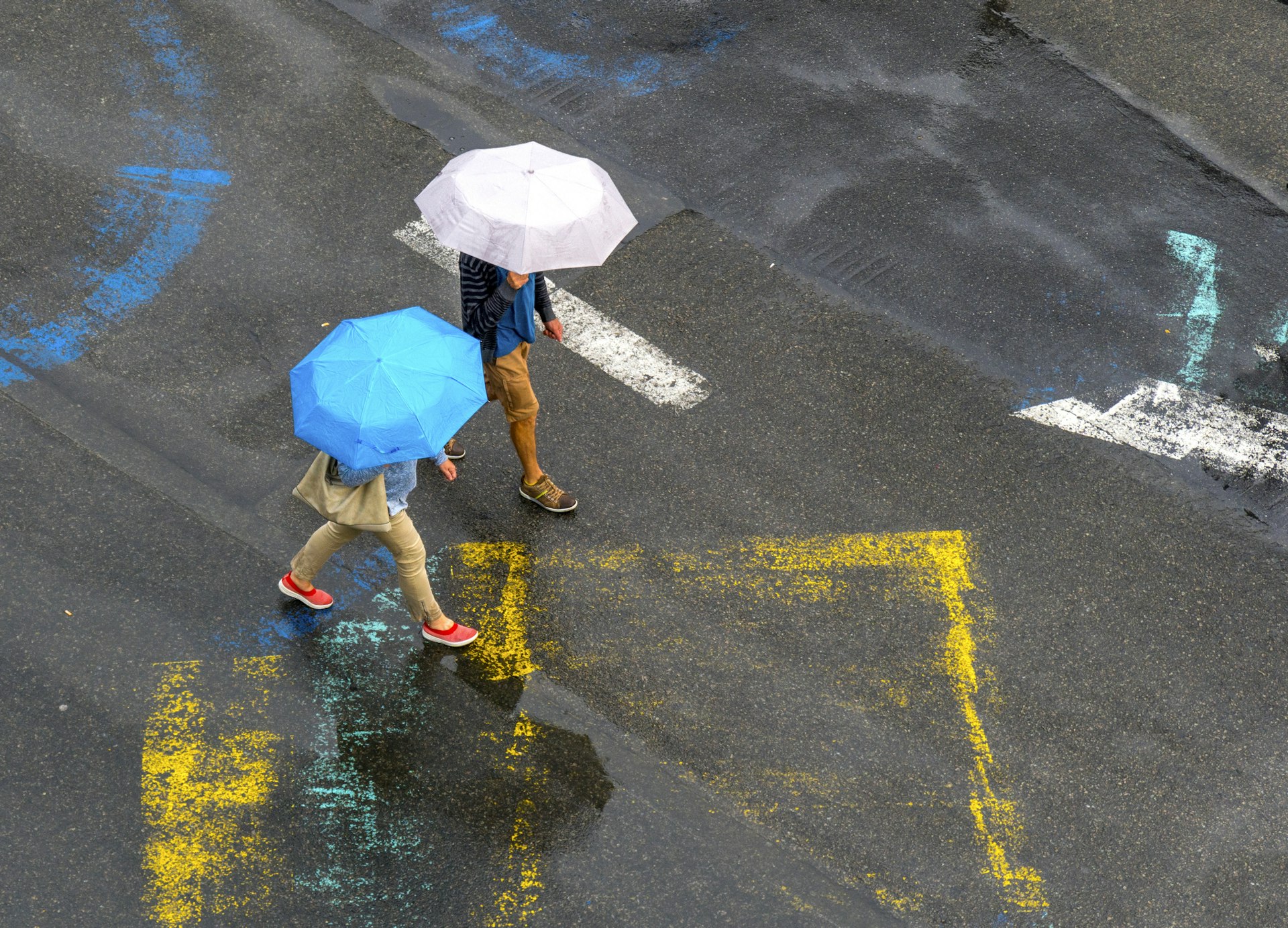
While you may have checked the weather forecast and it seems favorable for your stay in Brussels, it's important not to fully trust it. The weather in Brussels is notoriously unpredictable, and rain is a common occurrence. Belgium is renowned for its rain, ranging from light drizzles to heavy downpours. Belgians are well-prepared for such weather and often carry a retractable umbrella or raincoat with them "just in case." Follow their lead and feel a sense of satisfaction when an unexpected shower arrives and you're prepared.
Greetings: Kiss, Handshake, or Hug?
Ah, the dilemma of greetings in a foreign country. When meeting people in Brussels, where French-speaking culture dominates, it is common to see individuals exchange cheek kisses as a form of greeting, even if they are not acquainted. Although the COVID-19 pandemic has affected this practice, the customary "la bise" is gradually returning. In contrast, Flemish culture tends to be more reserved, with a simple handshake or a friendly "Hi" serving as a polite acknowledgment. If you find yourself unsure, opt for a handshake as a safe and universally accepted greeting.
 Family-Friendly Bars
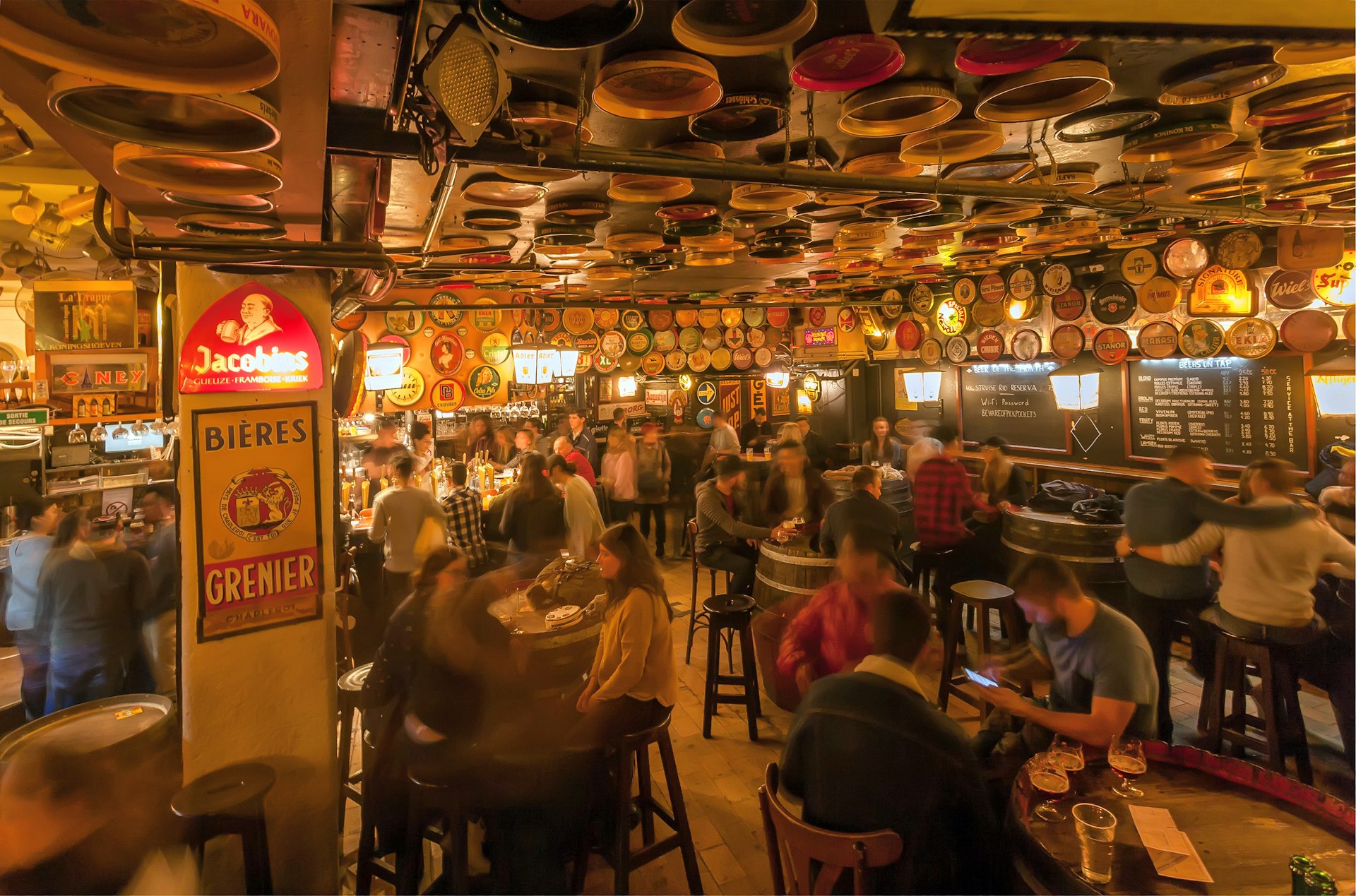
To many foreigners, the notion of babies, children, and dogs being welcome in bars can be perplexing. However, in Brussels, it is not unusual to see entire families spending time at bars, particularly during the afternoon and on weekends. While adults enjoy their beverages, babies often sleep in strollers, and older children sip on non-alcoholic drinks while engaging in games or activities. Cafés, pubs, and bars in Belgium are considered social spaces where inclusivity is valued, especially since smoking is prohibited indoors. Dogs are also considered part of the family and are welcomed in these establishments, often provided with a bowl of water.