13 Tips for Hiking in the Desert
-
 Loading...
 - Wassim Mohammad
- 09 Aug 2022
- 77 Views
- 0 Like
- 0 Comment
Hiking in the desert is a magical experience. Found on every continent and covering over one-fifth of the world’s land surface, deserts are special places. Their stark beauty, abundant life, and serene stillness have been calling adventurers since time immemorial.
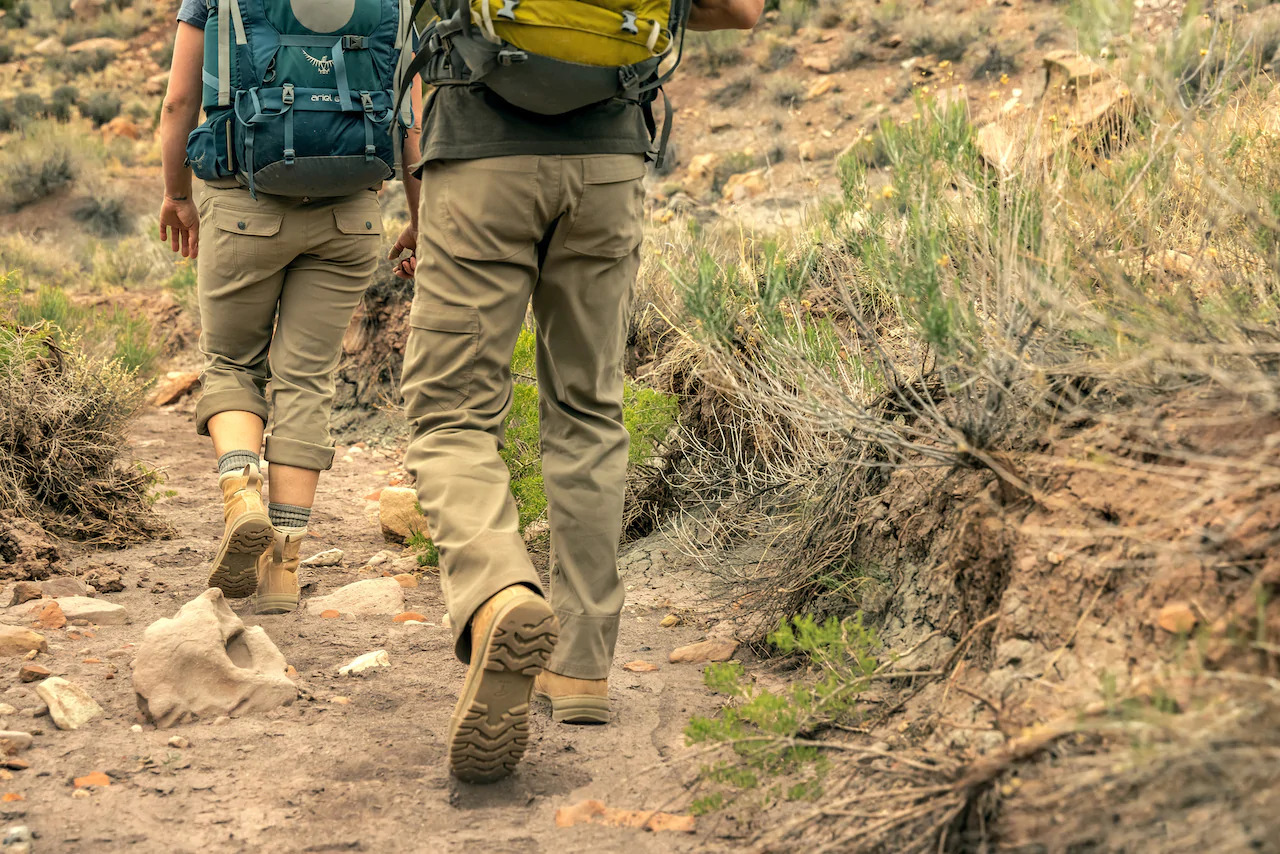
For those drawn to these unique places, preparation is key. Although deserts are beautiful, their extreme nature requires proper planning and the right gear to safely and fully enjoy them. In this post, we’ll cover the essentials of hiking and backpacking in the desert, including what to wear in the desert, the right desert hiking boots and clothing, and other tips to keep you comfortable and safe on your journey.
How To Stay Safe in the Desert
The desert is a land of extremes. Hiking and backpacking in the desert require preparation to enjoy safely.
1. Pack in enough water
By definition, deserts are dry places that receive less than 10 inches of rainfall per year. Finding reliable water sources can be very unpredictable. Carrying in the water you’ll need is extremely important. Never assume you’ll find it en route. A general rule of thumb is to bring along 4 liters of water per person, per day. Extremely hot or strenuous hikes may require a number closer to 6 liters of water per person, per day. In addition, always carry a water filtration system in case there is a chance to fill up.
While water is essential, electrolytes are key too. Here are 7 of the best electrolyte powders and hydrations supplements to use while hiking.
2. Salty snacks rule the day
In general, we’re conditioned to steer clear of salty foods because they may make us thirsty. But when hiking in the desert, eating salty foods actually helps your body retain water. The extremely dry air and heat suck water from your body quickly; consuming salts and other electrolytes helps retain water. So plan on packing plenty of dried fruits, candy bars, jerky, and trail mix. It is suggested on the hottest days to take a salt tab hourly. Check out our 3, 5, and 7 day backpacking meal plans for inspiration.
3. Sunscreen with high SPF and moisturizer matter
The desert sun is intense, often with little to no shade. Protecting your skin is essential. Lather up exposed areas like your face, hands, and lips with a moisturizing high SPF sunscreen. Be sure to replenish it as directed for the level of sunscreen you choose. Remember, SPF numbers relate to the number of hours a sunscreen can protect you, so keep in mind how long you’ll be in the sun when deciding on your protection.
4. Avoid hiking during the hottest part of the day
Temperatures in the desert are a study in extremes. For example, desert temperatures can easily range from below 30°F at night to over 100°F during the day. Getting an early start on your hike can help you get the most out of the early morning coolness. If you’re not a morning person, setting off late in the day is another option that lets you skirt the high temperatures brought on by the mid-day sun. For all-day hikes, taking advantage of a shady spot under some vegetation or a cliff during the hottest part of the day can help you conserve energy and water. While you’re tucked away in the shade, enjoy a snack break or take a short nap to help you recharge. Read More...