19 Helpful Packing Tips for Beginner Backpackers
-
 Loading...
 - Solomon Ocran
- 24 Aug 2022
- 79 Views
- 0 Like
- 0 Comment
Packing for a backpacking trip is an art form. The goal is to pack in such a way that the weight is effectively and comfortably distributed and that gear you need during the day is easy to access without resorting to a full pack explosion. Although it takes time and experience to discover your own preferred method of packing, these packing tips for beginner backpackers will help you get started.
The Basics
1. Buy your pack last.
Lest you end up with a pack that’s too big and end up tempted to fill all that empty space with superfluous gear. Or too small/lightweight for your gear, in which case you’re at risk of damaging the packs and your body by overloading it.
2. Invest in a kitchen scale.

Little things have a way of adding up when you’re not looking. Even if you’re not trying to go ultralight, it’s helpful to individually weigh and itemize everything you’re putting in your pack so you don’t get caught by surprise when your pack is significantly heavier than you expected it to be.
3. Limit pack weight to 20% or less of your body weight.
Your joints will thank you in the long run.
4. Shakedowns on shakedowns on shakedowns.
Go on practice hikes with your gear to get real-world experience. There’s no better way to figure out exactly what you need and don’t.
Also, get a pack shakedown from a professional or an experienced hiker. Let them go through your gear with a fine-tooth comb and point out areas where you may be carrying more than you need. Mountain Crossings Outfitter on the AT is famous for its pack shakedowns and even offers a virtual shakedown service these days so you can dial in your gear before you ever leave your house.
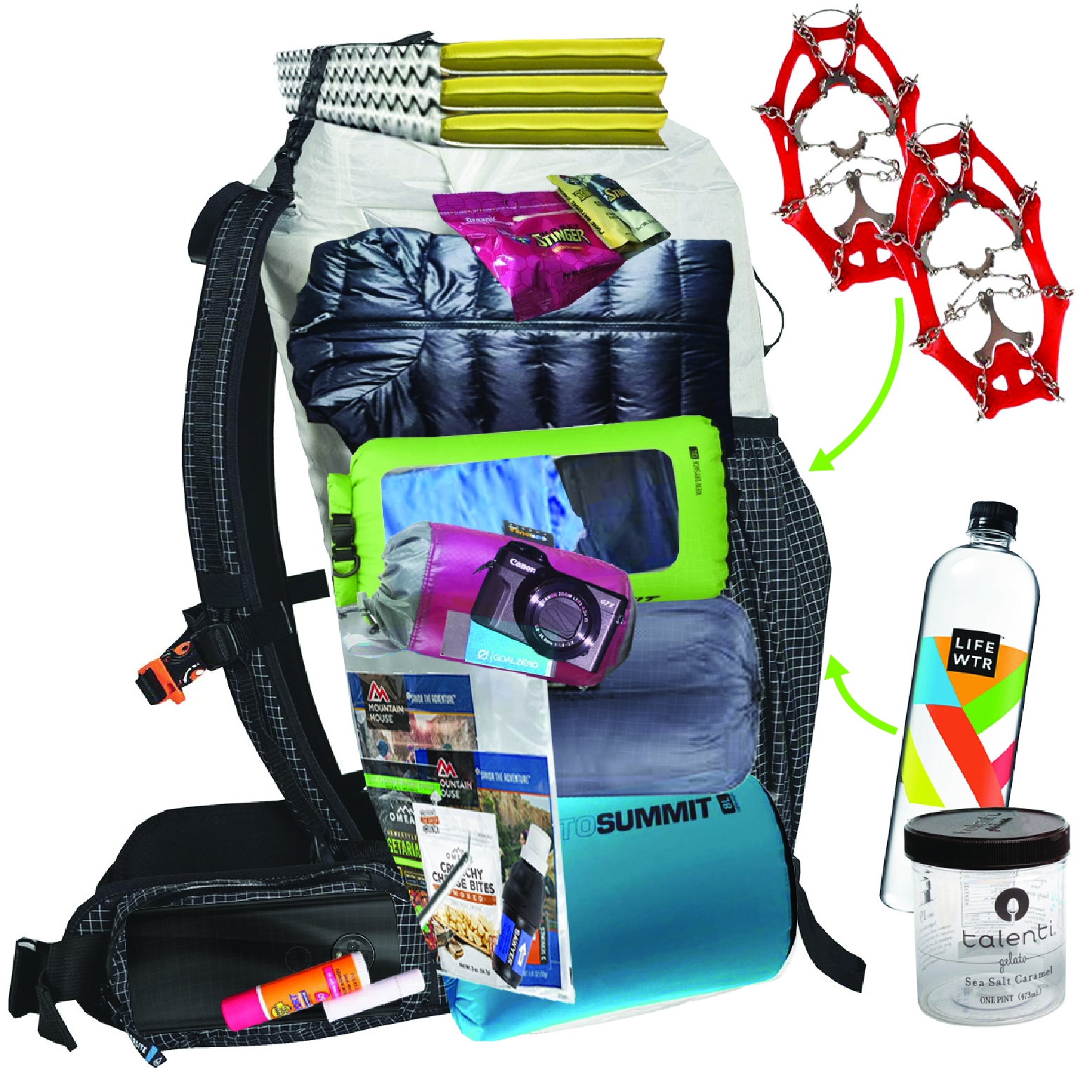
5. Softy/bulky camp goods go in the bottom of your pack, heavy items in the middle, light gear you’ll use during the day on top.
You don’t want your heaviest gear on the top of the pack throwing off your center of gravity, but you also don’t want it at the very bottom bouncing off your butt all day as you walk. Put your sleeping bag, pad, and camp clothes at the very bottom of your pack to form a cushioned, stable base, then put heavy items like your food bag and cooking setup in the middle. Lightweight items that you may want during the day but that are too bulky to go in outside pockets, like your puffy jacket, should go on top.
High-use items like snacks, sunglasses, trowel and TP, water filter, guidebook pages, and phone should go in an outside pocket where they will be easily accessible throughout the day.
More Accessibility Tips

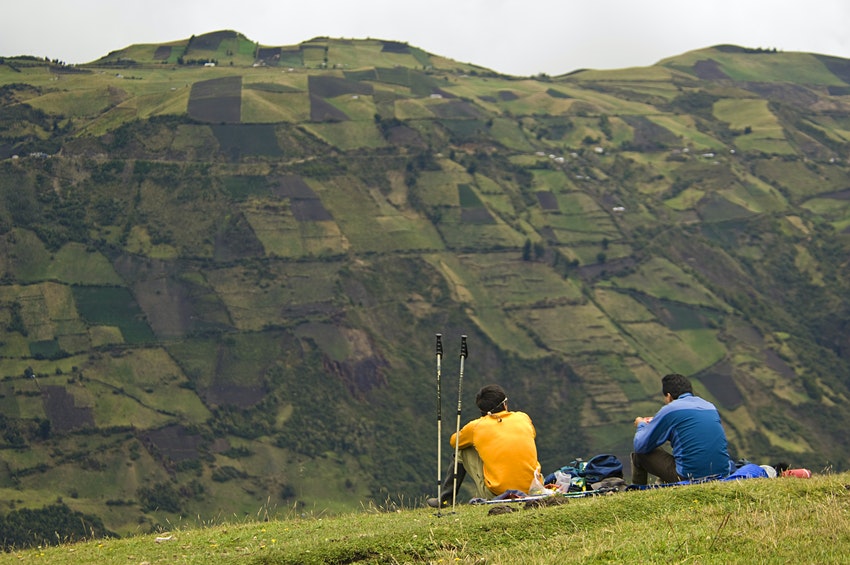
6. Store tape around your trekking pole
No backpacker wants to carry a giant roll of tape. Instead, you can bring just the amount you need by wrapping it around one of your trekking poles. If your trekking poles are hand-specific, this is also a useful way to quickly differentiate between the left- and right-hand poles. I always put Leuko on the left and duct tape on the right. That way if I have a blister or a piece of ripped gear that needs patching, I don’t need to go rooting around in my bag to find it. Read More...