21 Million Housing Gap: Nigeria Needs N5 Trillion for 2.7 Million New Houses Annually in 10 Years
-
 Loading...
 - Paul Osaze
- 14 Jan 2025
- 29 Views
- 0 Like
- 0 Comment
Nigeria is currently facing a staggering housing challenge, with a deficit of 21 million units. As the population grows at an annual rate of 2.5%, currently standing at 220 million, the urgency to address this gap has never been more critical. The United Nations has projected that unless significant action is taken, about 60% of Nigeria’s population will be living in urban areas by 2030.
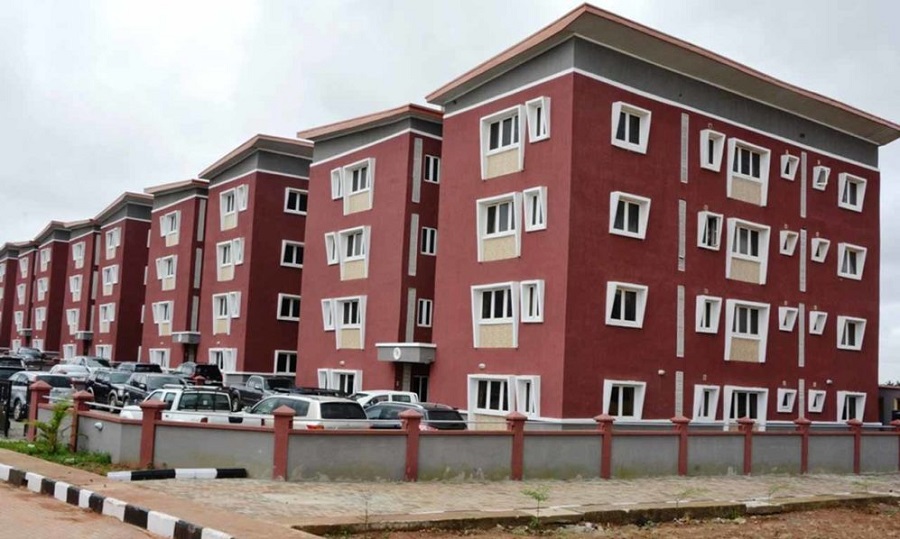
Despite the pressing need for housing, there are hundreds of thousands of unoccupied housing units scattered across various residential estates in Nigeria, particularly those developed by private developers. High prices and economic factors have contributed to this situation, alongside numerous abandoned housing projects by both government and private developers.
To bridge the 21 million-unit gap, stakeholders have indicated that Nigeria requires over N5 trillion and the construction of 2.7 million housing units annually over the next decade. Real estate experts at the Africa International Housing Show in Abuja recently suggested that the actual figure needed to close the housing gap is N5.5 trillion, with an annual target of 550,000 housing units for the next ten years.
Nuel Osilama, an estate surveyor and Vice President of the Real Estate Developers’ Association of Nigeria (REDAN), emphasized the need for a strategic approach to address the housing deficit. He stated, “If we are looking at 20 years, we need to build one million houses every year for 20 years to bridge the gap. If we are looking at 10 years, we need to build a minimum of two million houses annually.”
Osilama pointed out that the economic climate, particularly the fluctuating value of the Naira, has led to many abandoned housing projects. The rising costs of building materials, most of which are imported, have made it increasingly difficult for developers to complete projects within budget.
Despite the high vacancy rates in many residential estates, the issue is not simply a matter of supply and demand. Many of the vacant houses are high-end luxury accommodations that are unaffordable for the average Nigerian. Festus Adebayo, Executive Director of the Housing Development Advocacy Network (HDAN), noted that developers often build homes that cater to wealthier clients rather than addressing the needs of those who are truly in need of affordable housing.
Adebayo also highlighted the need for property tax reforms to encourage the utilization of vacant properties. “If property tax is taken seriously, it can raise enough funds to revitalize abandoned housing projects,” he stated.
At the International Africa Housing Show, Arc. Ahmed Dangiwa, Minister of Housing and Urban Development, acknowledged the urgent need for substantial investment and strategic planning to tackle the housing deficit. He revealed that while the government plans to deliver 50,000 housing units, this figure is significantly lower than the 550,000 units required annually.
Dangiwa emphasized the importance of a demand-driven approach to housing delivery, which includes the launch of an Online Housing Portal to streamline the home acquisition process. He also mentioned the establishment of a National Social Housing Fund (NSHF) aimed at ensuring access to decent accommodation for all Nigerians, particularly vulnerable groups.
Pastor Matthew Ashimolowo, a real estate investor, stressed the importance of financing in housing development. He noted that Nigeria will need to construct around 700,000 housing units annually for the next 20 years to meet the needs of its growing population, requiring an investment of N59 trillion.
However, private developers in states like Imo have cited insecurity as a significant barrier to growth in the housing sector. Many developers are hesitant to continue their projects due to fears of kidnappings and attacks on their sites, which has led to a slowdown in housing development.
The housing deficit in Nigeria presents a complex challenge that requires immediate and coordinated action from both the government and private sector. With a projected need for 2.7 million new houses annually and an investment of N5 trillion, stakeholders must work together to create an enabling environment for housing development. Addressing the issues of abandoned projects, high vacancy rates, and the need for affordable housing is crucial for bridging the gap and ensuring that all Nigerians have access to safe and decent living conditions. The time for action is now, as the future of Nigeria’s housing landscape hangs in the balance.