Why Low-Cost Housing Benefits Elude Nigerians
-
 Loading...
 - Jonathan Ekwugum
- 10 Jan 2025
- 43 Views
- 0 Like
- 0 Comment
Despite various government initiatives and private sector efforts to provide affordable housing, many Nigerians remain unable to access the benefits of low-cost housing. This persistent challenge is rooted in a combination of factors, including poor awareness, bureaucratic bottlenecks, limited financing options, and systemic inefficiencies that hinder progress.
The Housing Crisis
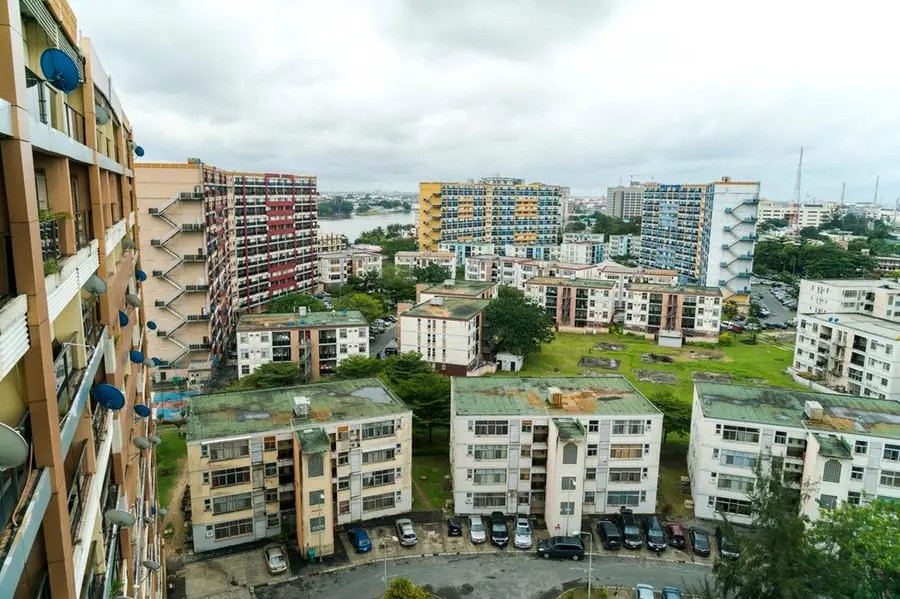
Low-cost housing was introduced as a solution to Nigeria’s growing housing deficit, yet millions of citizens remain excluded from its advantages. Inadequate policy implementation, lack of transparency in allocation processes, and rising construction costs have left many struggling to secure affordable homes. Limited access to mortgage financing and high-interest rates have made it nearly impossible for low- and middle-income earners to afford even subsidized housing options. Coupled with inadequate public awareness of existing programs, many Nigerians remain unaware of opportunities to own affordable homes, further widening the gap in housing accessibility.
Urbanization and population growth have exacerbated the housing crisis, particularly in major cities like Lagos and Abuja, where demand far exceeds supply. Developers often prioritize high-income projects due to better profit margins, leaving low-cost housing initiatives underfunded and underserved. This imbalance has further marginalized those who need affordable housing the most.
Bridging the Gap
To address these challenges, experts emphasize the need for stronger public-private partnerships and streamlined housing policies that prioritize inclusivity. Simplifying access to housing finance, increasing public awareness of low-cost housing schemes, and reducing bureaucratic hurdles could make these programs more accessible to Nigerians, ensuring that affordable housing fulfills its intended purpose.
Furthermore, a shift in government focus towards sustainable, cost-effective building materials and technologies could lower construction costs, making low-cost housing more viable. By embracing innovative solutions such as prefab homes or alternative building methods, Nigeria could significantly reduce the financial burden of developing affordable housing, ultimately benefiting a larger portion of the population.
Empowering local communities to actively participate in the planning and construction processes can foster a sense of ownership and accountability. By involving residents in decision-making, the government can ensure that low-cost housing projects meet the specific needs of the population while also creating jobs and stimulating local economies.
Long-Term Solutions
Addressing the root causes of Nigeria’s housing crisis requires a comprehensive approach that integrates affordable housing with broader urban planning. This includes improving infrastructure, expanding access to basic services like water and electricity, and ensuring that low-cost housing developments are strategically located to provide residents with access to employment opportunities and essential amenities. Only through such holistic strategies can the full benefits of low-cost housing be realized for Nigerians.
Ultimately, political will and consistent policy enforcement will be key to unlocking the potential of low-cost housing in Nigeria. While initiatives exist, the sustained commitment from all levels of government, combined with effective collaboration with the private sector, can turn the tide. By prioritizing long-term solutions over short-term fixes, Nigeria has the opportunity to significantly reduce its housing deficit and improve the quality of life for millions of citizens.
Persistent Challenges
Low-cost housing in Nigeria faces numerous challenges, including exorbitant construction costs driven by expensive land and building materials, limited access to financing for low-income earners, poor urban planning, weak policy implementation, bureaucratic bottlenecks, and a persistent mismatch between housing supply and demand. These issues often result in substandard housing located in less desirable areas, leaving low-income populations with few truly affordable options.
Contrary to misconceptions, low-cost housing does not equate to subpar quality or cheap materials. Instead, it involves strategic cost management, the use of locally sourced materials, improved construction techniques, and phased implementation of finishing works—all while maintaining structural integrity and durability.
The neglect of Nigeria’s housing sector is not a recent phenomenon. Historical efforts by governors such as Lateef Jakande in Lagos and Jim Nwobodo in Anambra to champion affordable housing projects have been overshadowed by successive administrations that failed to sustain these initiatives. Corruption, nepotism, and self-interest have eroded the effectiveness of low-cost housing schemes, leaving millions without access to safe and decent shelter.
The Role of Mortgage Facilities
Nigeria’s mortgage system also falls short, offering little relief to the average citizen. Mortgage institutions often impose stringent requirements and high-interest rates, making it difficult for many to access financing. However, private entities are beginning to step in to address these gaps. For instance, Converged Dynamics Capital Services Limited has announced plans to launch a private equity fund targeted at the real estate sector, aiming to accelerate development and reduce the housing deficit.
The Nigerian Mortgage Refinancing Company (NMRC) has also taken proactive steps by injecting N6 billion into the mortgage market to alleviate the housing crisis. This initiative aims to provide liquidity to mortgage lenders, enabling them to create more accessible financing options for homebuyers.
The 25 Million Housing Deficit
Nigeria’s housing crisis has reached a critical point, with an estimated deficit of 25 million units. This alarming figure underscores the scale of the challenge and the urgent need for innovative solutions. Experts argue that neither the government nor traditional banks can provide the funding required to address this deficit. Instead, specialized investment vehicles, such as structured funds, offer a more viable path for financing large-scale housing projects.
Mrs. Monica Efe Osaghae, Managing Director of Efe Enterprise Limited, emphasizes that despite the challenges, Nigeria remains an attractive destination for long-term investments. Many investors are looking at horizons of seven years or more, reflecting their confidence in Nigeria’s potential as a viable investment destination.
Role of Structured Funds
Structured funds are emerging as a key solution to Nigeria’s housing crisis. These long-term financial instruments attract investors by offering stability and growth prospects. However, one of the major barriers to attracting such investments is the absence of appropriately structured financial instruments. Investors prioritize factors such as the structure of the fund, the expertise of its investment committee, the reputation of service providers, and the experience of fund managers.
To overcome these challenges, institutions like Converged Dynamics Capital Services Limited (CDCSL) are stepping in with the required expertise and capabilities. By offering well-structured funds and long-term financing options, they aim to inject stability into Nigeria’s housing market. This stability is essential to creating affordable homes that are accessible to the average Nigerian, a goal that remains elusive under the current system.
Driving Affordable Housing Development
Mrs. Osaghae stresses the importance of making affordable homes a reality for Nigerians. While the government has implemented various initiatives, such as the National Housing Fund and partnerships with mortgage institutions, progress has been slow. The high cost of construction, limited infrastructure, and a lack of financing options have hindered large-scale housing developments. Specialized investment vehicles can help address these barriers by providing the long-term capital needed to fund projects from conception to completion.
One of the most pressing challenges in Nigeria’s housing sector is the affordability gap. The average Nigerian worker cannot afford the high mortgage rates or rent prices in urban centers. Structured funds can help bridge this gap by enabling developers to reduce costs and offer housing units at more accessible prices. Additionally, investments in infrastructure, such as roads, electricity, and water supply, are critical to ensuring the sustainability of housing projects.
Future Outlook
According to experts, the 25 million housing deficit in Nigeria highlights the scale of the problem, but it also presents an opportunity for transformation. By leveraging structured funds and fostering partnerships between the public and private sectors, Nigeria can begin to address its housing crisis. These investments must be coupled with policies that promote affordable housing, streamline land acquisition processes, and reduce construction costs.
Moreover, the government must play a more active role in creating an enabling environment for investors. This includes improving macroeconomic stability, addressing foreign exchange challenges, and ensuring transparency in the housing sector. With the right strategies, Nigeria can unlock its housing potential and provide millions of citizens with access to safe, affordable, and dignified homes.
As Mrs. Osaghae aptly noted, “The biggest challenge today is finding an affordable home.” Tackling this challenge will require bold, innovative solutions and a commitment to long-term planning. The journey ahead is daunting, but with determination and collaboration, Nigeria can rewrite its housing story. For industry watchers, the journey toward solving Nigeria’s housing deficit is long, but with coordinated efforts from the public and private sectors, meaningful progress is achievable.