22% Of Elementary And High School Students Miss Classes To Work And Help Their Parents
-
 Loading...
 - Nicole Davis
- 08 May 2023
- 82 Views
- 0 Like
- 0 Comment
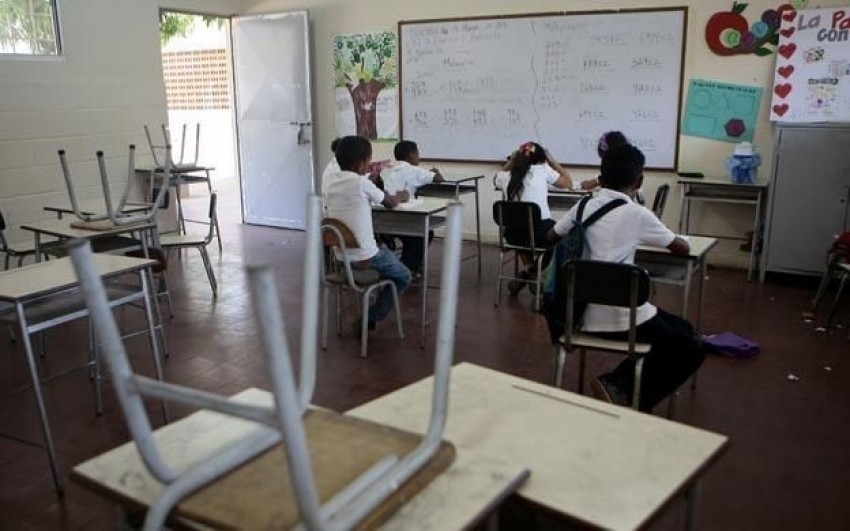
According to a recent survey conducted by the School Civil Association in seven states across the country, it has been found that 22% of elementary and high school students are missing classes to assist their parents with household chores. The study, which was conducted in a sample of 79 schools located in the Capital District, Miranda, Bolívar, Anzoátegui, Apure, Lara, and Zulia, reported that children as young as 6 and as old as 17 are being forced to work instead of attending classes.
The survey revealed that the most frequent age range of working students is between 15 and 17 years, and there is a greater presence of female students working, with a percentage of 41.5%. Although the percentage of working minors varies according to the state where the research was conducted, it was reported that the phenomenon is present in all seven states.
Professor Oscar Iván Rose, the coordinator of the Civil Association, pointed out that children and young people between the ages of 5 and 18 should be dedicating themselves full-time to their studies. However, the reality of many students is quite different. He also added that working is not the only reason why students are missing classes.
The survey also inquired about the possible causes of absences and it was found that 44.15% of educators reported that their students do not attend school due to the failure of public services such as water, electricity, or gas. In fact, deficient drinking water service was associated with 85.6% of non-attendance reports, while transportation had a lower incidence, as 98% of students traveled to educational institutions on foot.
In conclusion, the survey reveals a concerning trend in which a significant portion of students are forced to prioritize household duties over their education. It highlights the need for proper support and resources to be provided to families in order to ensure that children are able to attend school regularly and receive a proper education.