24 Landscape Photography Tips
-
 Loading...
 - Hilary Allen
- 30 Aug 2022
- 65 Views
- 0 Like
- 0 Comment
Have you ever driven through a beautiful landscape and stopped at picturesque scenes to capture them with your camera? But you discovered that they’re boring when you came home and checked them on your computer?
It has happened to every one of us.
Nature is three-dimensional; we can walk through it, touch it, and change our perspective. It’s impossible to accomplish the same effect by looking at a photograph.
What determines professional photographers is knowing how to tell a story with photos.
Let’s learn that together with these 24 landscape photography tips that will improve your landscape images.
Landscape photography tips
1. Research the location

Researching a location in advance is vital for the success of your photoshoot. This way, you come prepared, thus improving your photos.
Because landscapes change throughout the day as shadows move, returning to the exact location at different times of day will help you find even more photos. I recommend going at least in the morning, afternoon, and evening.
But visiting a location is often not possible when it’s far away. Then use the internet to conduct as much research as possible. To scout locations ahead of time, I use the following methods:
· Google Maps is the first scouting tool I use to plan my photoshoots. It’s ideal because others have shared their photos, so you get valuable insight. Use street view to discover new locations and get a sense of the terrain.
· Local photographers have taken loads of great photos you can use for ideas. Instagram is an excellent source for this type of research. I prefer to search by the location name or hashtag to find similar photos. Instead of copying their images, make them better.
· Local tourist offices use landscape pictures to promote the location. You can learn more by visiting their websites or following them on Instagram. Or Google “[the location name] tourism.” to find ideas.
· 500px and Flickr host photographers from all over the world, especially at 500px. Flickr also comes with a handy world map.
2. Plan when to go

When to go is as important as where you go. I enjoy photographing landscapes at various times of the day because the light can produce drastically different results.
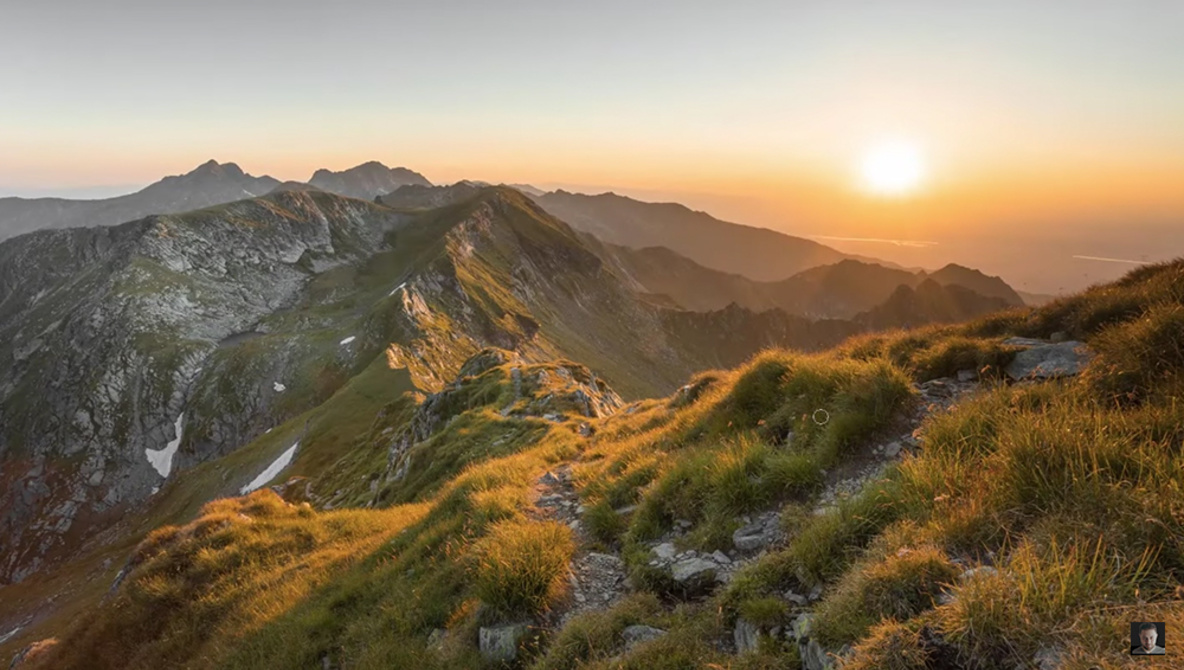
However, as a landscape photographer, try to plan your shots around the best light. The so-called golden hour occurs between sunrise and sunset when the light is orange and yellow. Because of the diffused light, shadows are soft and long during this time of day, the skies are dramatic and colourful, and low-angle light creates textures in landscapes.
You’ll want to arrive at your destination at least half an hour early to set up your camera. In some cases, coming an hour early is even better when you don’t know the area well. What is more, you might notice that the light is even better. Read More…