Try These Photography Storytelling Techniques
-
 Loading...
 - Henry Taylor
- 30 Aug 2022
- 68 Views
- 0 Like
- 0 Comment
Photography is literally drawing with light - writing with light - so it comes as no surprise that we can tell a story with photographs. If we go back far enough, human communication often involved the use of pictographs. Photography storytelling offers the same opportunity. It’s an incredibly effective way to share ideas.
Photography storytelling can be done in many ways, from a photo essay to photojournalism, from a wall display to an electronic gallery. Here are some creative and technical tips that can help you with your own photography storytelling.
Storyboard Your Photography Storytelling
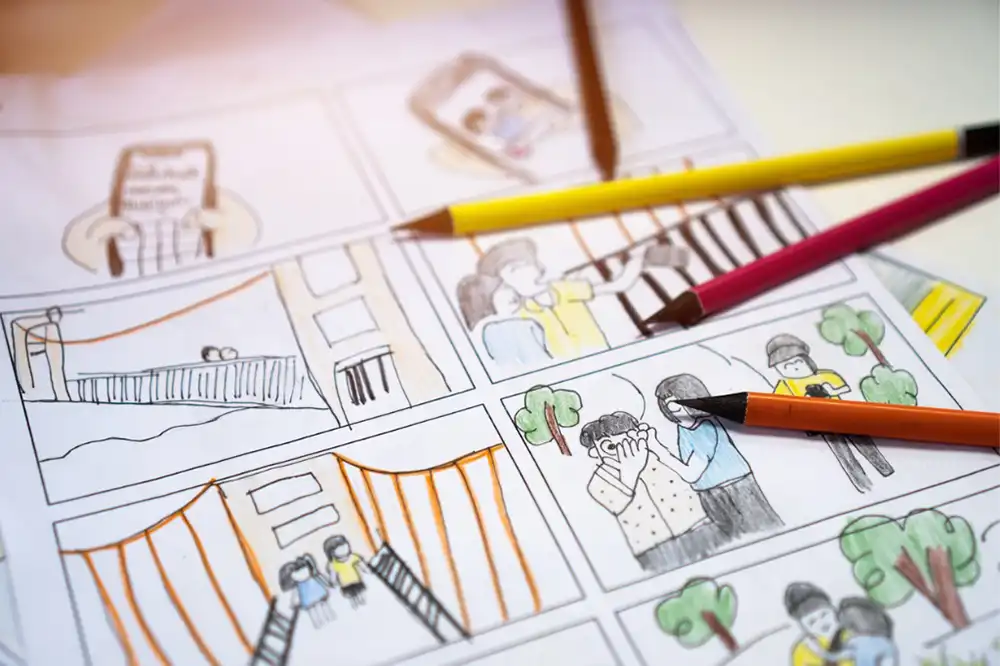
A basic filmmaking technique, using a storyboard also works for photography storytelling. A storyboard is like an outline for filming, but it’s more than just the words directing what to photograph or capture as video.
A good storyboard also includes photography instructions, character directions, and details about lighting and exposure. Let’s not forget composition ideas and production notes, as well as simple illustrations of what to capture. Think of it as a visual instruction manual for developing your storytelling project.
Capturing Images for Photography Storytelling
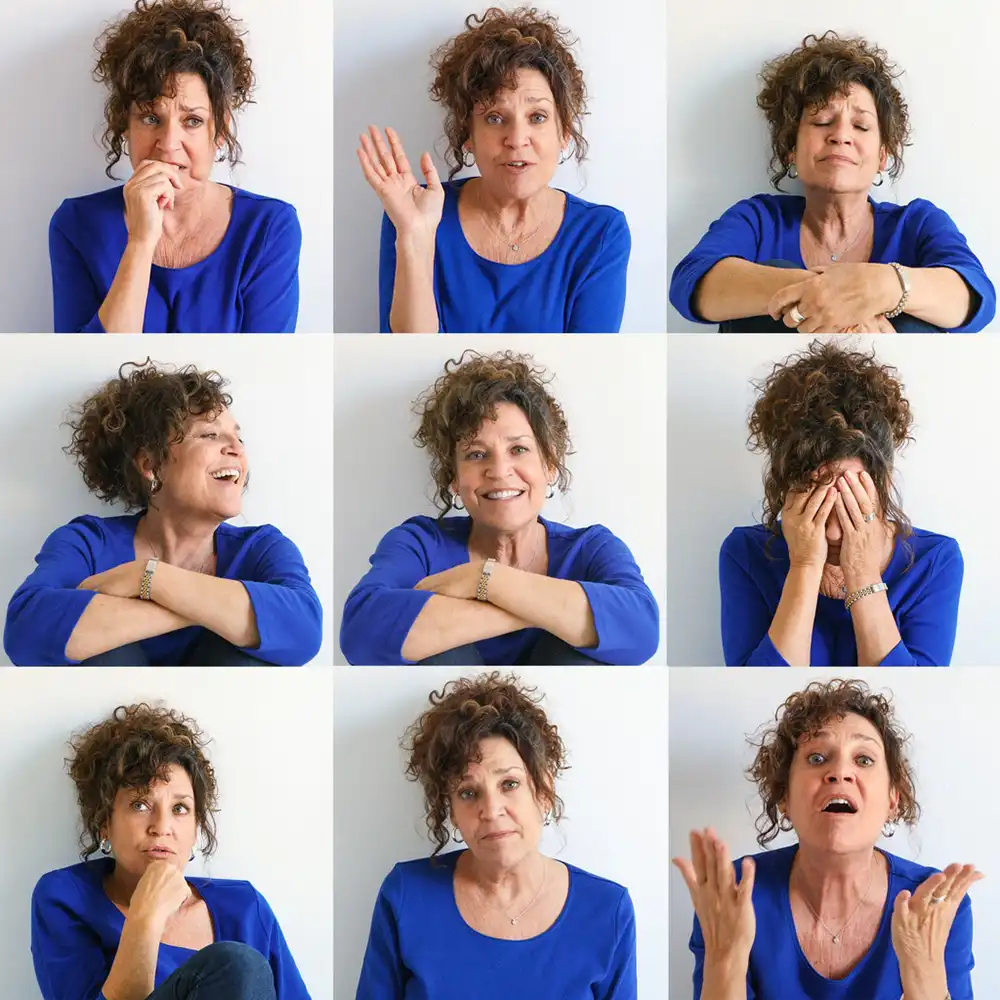
When capturing the still images for your storytelling, think in terms of sequences. Just as we shoot sequences and series of images for submission to stock image sites, a series of images can be made into a form of a story.
Some of the changes we can make to sequential images involve subject placement within the scene or changing focus from deep to shallow or to different parts of the image area. You can also adjust color and exposure by means of changing camera settings, lighting, or by post-processing.
Use Selective Color (and Other Techniques) to Create Flow
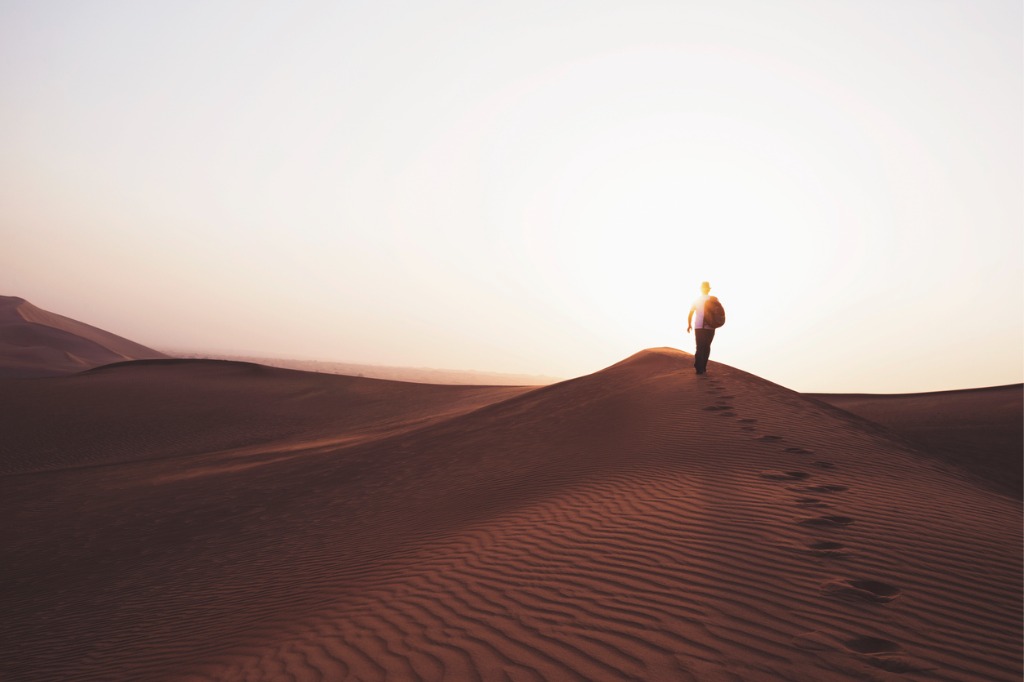
So, how do we make those changes to color, exposure, focus, or lighting to create a photography storytelling project? Some changes can be made in-camera, while others require us to vary the lighting, camera placement, and perhaps even use post-processing tools.
One post-processing tool or technique that can be especially effective in creating a flow for photography storytelling is selective color. Selective color doesn’t always have to be a pop of one color in a black and white scene; it can also be accomplished with muted colors vs deep colors. Read More…