3 Film Hacks to Expand Your Photo Creativity
-
 Loading...
 - Marko Ivanov
- 26 Sep 2022
- 69 Views
- 0 Like
- 0 Comment
The resurgence of interest in film photography is astonishing. Newcomers revel in the challenge of having only a limited number of photos per roll. They enjoy the suspense of waiting a lengthy period for the film to be processed before they see whether their photos have turned out.
If you have been using film for a long time, you are probably used to these idiosyncrasies. So have you begun to feel blasé about film photography? If so, we have three film hacks to expand your creativity and reignite your passion.
Film Hack 1: Cross-Process for Colorful Results
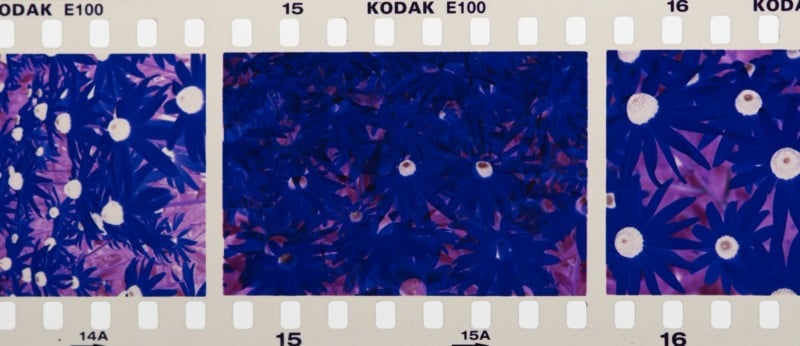
When you buy a roll of ‘normal’ film, it is based on the idea that the film will be processed in chemistry, and you will receive a long strip of negatives ready to be printed. In a traditional photographic lab, these ‘negative’ images are projected onto photographic paper, which is put through other chemistry to create your prints. Slide film is different. When slide film, also known as positive or transparency film, is processed, you can hold it towards light and see a true-to-life image. Slide film is processed through a different type of chemistry (E-6), not ‘normal’ negative chemistry (C-41).
What happens when you process transparency film through chemistry that’s supposed to be for a color print film?
This is called cross-processing. You end up with a strip of negatives with weird color effects. It is contrasty, has high saturation, and it’s full of chunky grain. Pay attention to your light meter when taking shots destined for cross-processing because you get better effects when the photos are correctly exposed. And remember that since cross-processing increases contrast, you won’t get any detail in shadow areas because they go really dark. Read More...