3 Top Tips on How to Photograph Bluebell Flowers
-
 Loading...
 - Sukiman Cung
- 02 May 2023
- 72 Views
- 0 Like
- 0 Comment
Make the most of these lovely looking subjects and head out to photograph them today as they don't tend to stay around for very long and you'll want to photograph them looking their best.
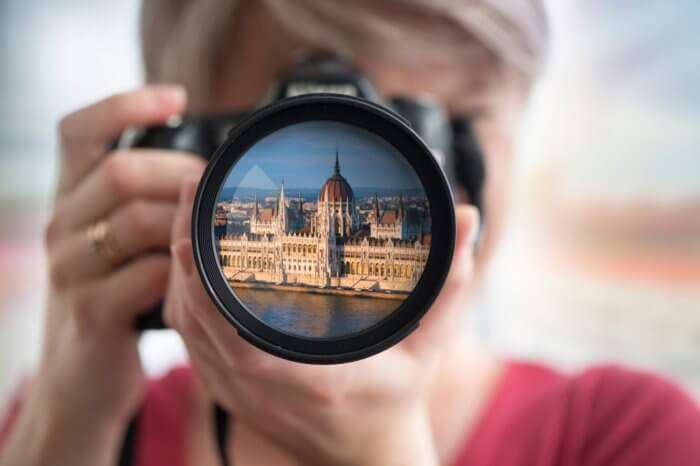
At springtime our thoughts naturally lean towards flower photography, and none more so than bluebells, either as individual subjects or in carpets of blue. Often, but not exclusively found in woodlands, bluebells offer a magnetic attraction to photographers and as almost anything can be used to photograph them, from wide-angles to long telephotos, compact cameras to full-frame DSLRs, it's something photographers of all levels can have a go at.
1. What Type Of Shots Should I Take?

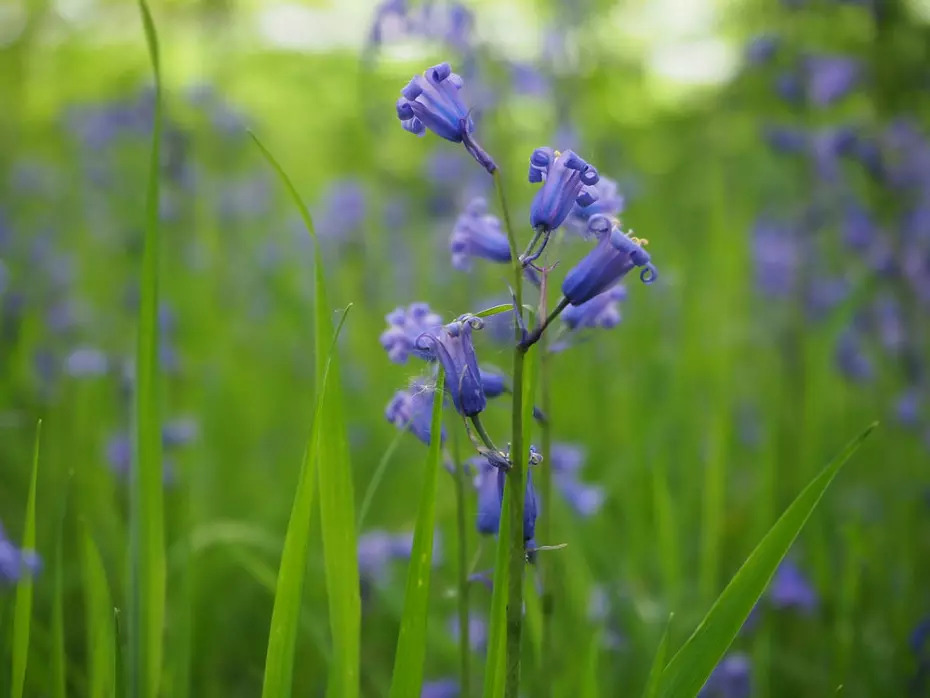
How you treat them photographically depends on how densely-packed they are growing. In a woodland where they provide a carpet of blue flower heads, wide-angles can exemplify the extent of the blooms, and shooting with a small aperture will give a huge depth of field, rendering all the flowers in focus. A macro lens can hone in on details and individual flowers, wait for an insect to land on a bloom to give added interest.
2. How Can I Focus On Individual Flowers?

Telephoto lenses used at wide apertures can also give a narrow band of sharp bluebells amongst a sea of blur, with telephoto compression adding to the effect. This works best from low viewpoints, often only a few inches above the ground. Or your long lens can be well used to isolate individual flowers from their surrounds; often in a mass of bluebells, there will be some rogue colours – the most common being pink and white – focusing on these with a long telephoto at wide aperture will highlight the different colours, making them stand out among a sea of blue. Read More…