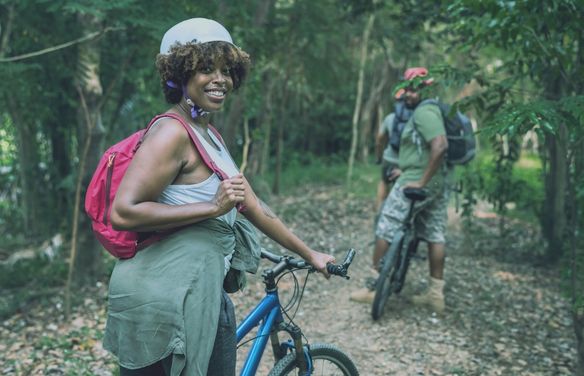
4 Useful Tips for Biking in Inclement Weather
-
 Loading...
 - Thalia Doukas
- 22 Sep 2022
- 62 Views
- 0 Like
- 0 Comment
Biking in the fall and winter can be a great way to stay active and enjoy the outdoors. It's also a great way to commute and save money on gas, parking fees, and other expenses that come with driving a car. However, biking can be dangerous if you're not prepared for it. Here are some useful tips to keep you safe when biking in inclement weather.
Update Your Cycling Wardrobe
The right cycling gear can significantly affect how comfortable and safe you feel while cycling in inclement weather. Avoid cotton as much as possible, as it retains moisture and doesn't dry easily, which can lead to a chilly and uncomfortable ride home. Instead, choose synthetic, moisture-wicking fabrics like polyester or nylon. They help pull sweat away from your body so that it evaporates quickly instead of being absorbed into your clothes' fibers. Look for water and windproof because these items protect your body from rain or wind.
Prep Your Bike Beforehand
Our top tip for biking in inclement weather is to make sure your bike is in good working order before you head out on your ride. By checking for rust, tire concerns, and other damage, you can be sure that your bike is up for the challenge. Be sure to check that the brakes work properly when wet. If there are any issues you find during your inspection, have them serviced immediately to avoid life-threatening accidents.
Stay in Control
Stay in control at all times. When the weather can't be avoided, you must be prepared for anything. Avoid slippery surfaces, if possible, but if you can't avoid them, make sure to go slowly so that you don't lose control of your bike.
You can also maintain control during bad weather by downloading a real-time weather app to track storms. You can wear protective eyewear, too, so water doesn't get into your eyes when it rains heavily outside. Eyewear also helps protect your eyes from the reflective light of any snow on the ground.
Light Up Your Ride
A bike light is just as important as the lights on your car. These little gems signal to others that you're there, so they can avoid running into you in the dark. You should always have a light set up on your helmet or bicycle that is easily visible from all angles. Make sure it's bright enough to be seen by drivers and pedestrians alike! A reflective vest or jacket is also a great investment for those who regularly bike after dark. Read More...