44 Ultralight Backpacking Tips That Actually Make Sense for Thru-Hikers
-
 Loading...
 - Alejandro Diaz
- 20 Jul 2022
- 103 Views
- 0 Like
- 0 Comment
Going ultralight is the holy grail of modern backpacking. Yet so many ultralight backpacking tips I read on the internet are downright silly, or at least unrealistic for thru-hikers. For instance, I’m not going to schlep my spices around in a tic tac container, adorable as that looks, because I don’t carry spices in the first place. Likewise, the idea of me having the forethought to pre-order enough dehydrated tooth powder to supply my dental hygiene needs for six months is ludicrous.
So I’ve compiled a list of common-sense ultralight backpacking tips to reduce your base weight in ways that actually make sense for thru-hikers. Even employing just a handful can lighten your load substantially. As a bonus, many of these hacks are budget-friendly.
44 Common-Sense Ways to Lower Your Base Weight
Lighten Up Your Big Gear
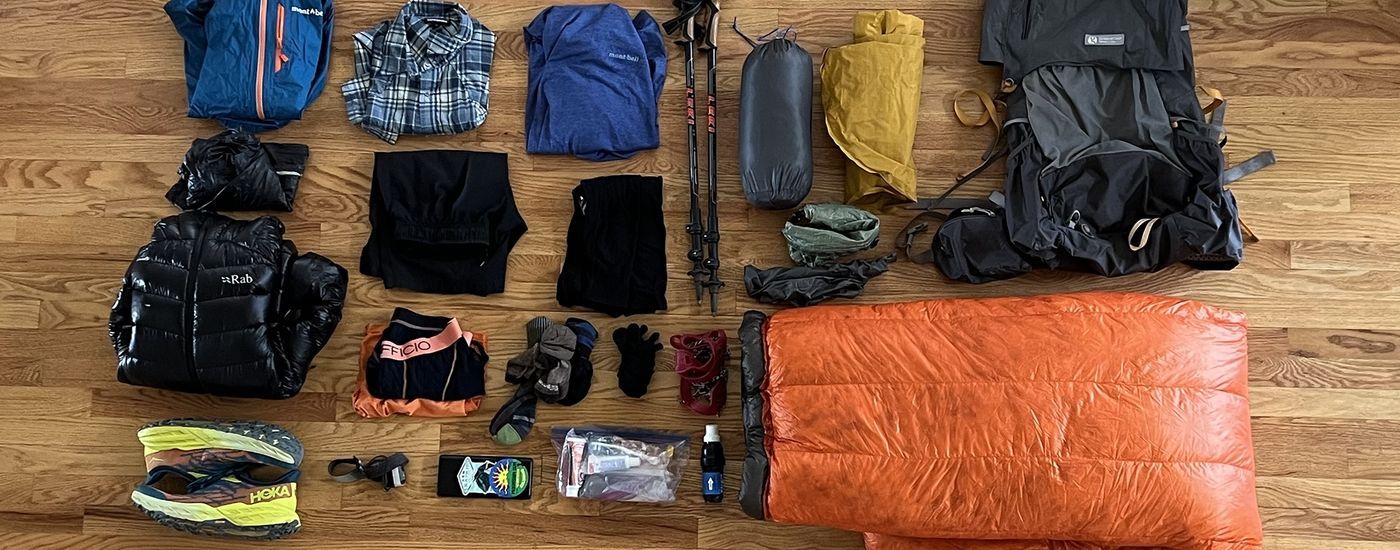
These items make up the bulk of your base weight and have the most potential for huge weight reductions.
1. Quilt Instead of Sleeping Bag
Quilts have grown wildly in popularity in recent years—last year, more than half of the participants in our annual Appalachian Trail Thru-Hiker Survey preferred quilts over traditional mummy bags. Not only are they significantly lighter, but quilts are far less constricting, and many hikers find them more comfortable.
2. Tarp or Trekking Pole Tent Instead of Freestanding
Swapping dedicated tent poles for trekking poles, which you’re probably already carrying, is an easy way to save weight. Single-wall varieties are naturally the lightest option. If bugs and privacy aren’t a major concern, you can go even lighter (and cheaper) with a simple tarp.
Ultralight tent fabrics like DCF will be the lightest options, but minimalist silnylon tents and tarps are still lightweight at a fraction of the cost.
3. Minimalist Pack
Look for a pack made with durable, ultralight materials and a simple design: typically a large roll-top main compartment, a mesh back panel, minimalist padding, and water bottle sleeves (there may or may not be hip belt pockets involved). Ultralight backpacks can weigh less than two pounds. Frameless packs are even lighter but not as beginner-friendly.
4. 3/4-Length Sleeping Pad
The easiest way to reduce your sleeping pad weight by 25% is to get a shorter pad. For short people, a 3/4-length option is basically full-length anyway. And for taller folks whose legs hang off the end, simply place some folded-up clothes or your partially-emptied backpack underneath them.
Inflatable pads will cost more than foam pads but have a higher insulation-to-weight ratio. If you want the most ultralight sleep system possible, go inflatable.
Minimize Luxury Items

5. Eliminate camp shoes or just bring flip-flops.
A pair of Crocs weighs more than a pound, and you only wear them for a couple of hours per day at most—is it really worth it? Hikers who walk in trail runners often find them breathable enough that they don’t need a change of shoes in any case.
Or just pack cheap Walmart flip-flops, which only weigh a few ounces. (Though I would advise against walking around on steep or rough terrain in flip-flops.)
6. Eliminate common heavy, low-calorie backpacking foods.
Some of the most popular thru-hiking foods are actually not that calorie-dense. It’s hard to eliminate all of these low-calorie staples, but the more you can dilute them with more energy-dense (>125 calories/ounce) foods, the better.
Common offenders:
- Tuna packets (30-40 cal/oz)
- Flour tortillas (85 cal/oz)
- Cheese (100-120 oz)
More energy-dense alternatives:
- Nuts and nut butters (170-210 cal/oz)
- Olive oil (250 cal/oz)
- Protein bar (130-150 cal/oz)
7. Eliminate battery bank for short trips / short-duration resupplies (like AT).
My battery bank weighs almost half a pound. While I love being able to use my phone worry-free, I often leave the bank behind on trails with frequent town stops.
By leaving my phone off or in airplane mode most of the time, a single charge easily lasts me four or five days (and my phone is no spring chicken). Using guidebook pages to assist in navigation will extend your battery life significantly.
8. No books, no camera. Use your phone for that.
In direct counterpoint to the above, if you are very attached to entertainment media and/or photography, it might be worth the seven-ounce battery bank to keep your phone powered on, as it will save you the significantly heavier weight of a book or camera equipment.
9. One set of hiking clothes. One set of camp clothes. that’s it.
Clothing is probably the heaviest chunk of base weight you carry besides your Big Three. Don’t make it worse by carrying an extra change of hiking clothes. The exception is an extra pair of dry hiking socks (key for blister prevention and general foot health).
Keep your camp clothes safe and dry in your pack so you have something warm to change into at the end of a cold, rainy day.
10. Leave the baby wipes at home.
Anyone else feel like baby wipes leave a weird residue on their skin? And/or that they’re just smearing the grime around without actually improving anything hygiene-wise? I say embrace your inevitable funk and leave the wipes behind. If you must have them, try drying them out ahead of time and then adding water to rehydrate them on the trail. Pack them out.
11. Cold soak to eliminate stove + fuel weight.
Carrying cold foods that don’t require rehydration probably won’t save you any weight since many of these foods are fairly heavy (tortillas, tuna packets, etc.). If you want to really maximize the weight savings of going stoveless, your best bet is to carry dehydrated food and cold-soak it. Read More...