5 Delicious Congolese Foods to try
-
 Loading...
 - Deborah Baah
- 13 Jun 2023
- 349 Views
- 0 Like
- 0 Comment
The Democratic Republic of Congo is renowned for its rich and diverse culinary heritage, influenced by the indigenous tribes and neighboring countries. In this article, we will take you on a culinary journey to explore five mouthwatering Congolese dishes that are an absolute must-try. From hearty stews to delightful street snacks, the vibrant flavors of these dishes will leave you craving for more. So, let's dive in and discover the 5 delicious Congolese foods to try!
1. Fufu: A Staple Dish with a Twist

What is Fufu?
Fufu is a beloved Congolese staple that holds a special place in the hearts of the Congolese people. It is a starchy side dish made from pounded cassava, yam, or plantains. The tubers are boiled until tender, then pounded to a smooth and elastic consistency. The result is a soft dough-like substance that is often used as a base for various Congolese soups and stews.
How is Fufu Served?
Fufu is typically served in generous portions on a large platter, accompanied by a variety of flavorful Congolese soups and stews. The dough is torn into small portions, rolled into balls, and then dipped into the savory sauces. It is a communal dish, meant to be shared among family and friends, adding a sense of togetherness to the dining experience.
Where Can You Find Fufu?
Fufu is a popular dish served in Congolese households and traditional restaurants throughout the country. If you have the opportunity to visit Kinshasa, the capital city, make sure to visit the bustling markets where street vendors offer freshly prepared fufu alongside an array of mouthwatering toppings.
2. Saka-Saka: A Delightful Leafy Green Dish
What is Saka-Saka?
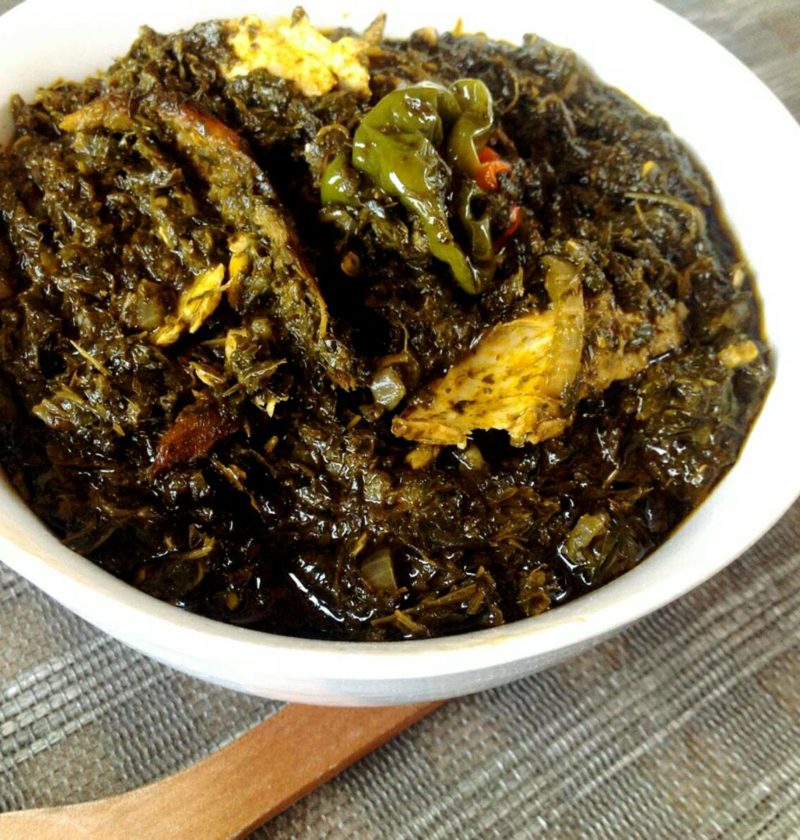
Saka-Saka is a traditional Congolese dish made from the leaves of the cassava plant. The leaves are finely chopped, then cooked with onions, garlic, tomatoes, and palm oil to create a flavorful and nutritious dish. Saka-Saka is often enjoyed as a main course, accompanied by fufu or rice.
The Vibrant Flavors of Saka-Saka
One of the most captivating aspects of Saka-Saka is its burst of flavors. The combination of the earthy cassava leaves, the sweetness of tomatoes, and the richness of palm oil creates a harmonious blend that delights the taste buds. The dish is often seasoned with spices and herbs, adding an extra layer of complexity to its taste.
Savoring Saka-Saka in Kinshasa
If you find yourself in Kinshasa, head to the local restaurants and street food stalls to savor the authentic taste of Saka-Saka. The vibrant markets of Kinshasa are filled with the aroma of this leafy green delicacy, enticing locals and tourists alike.
3. Moambe Chicken: A Flavorful Delicacy
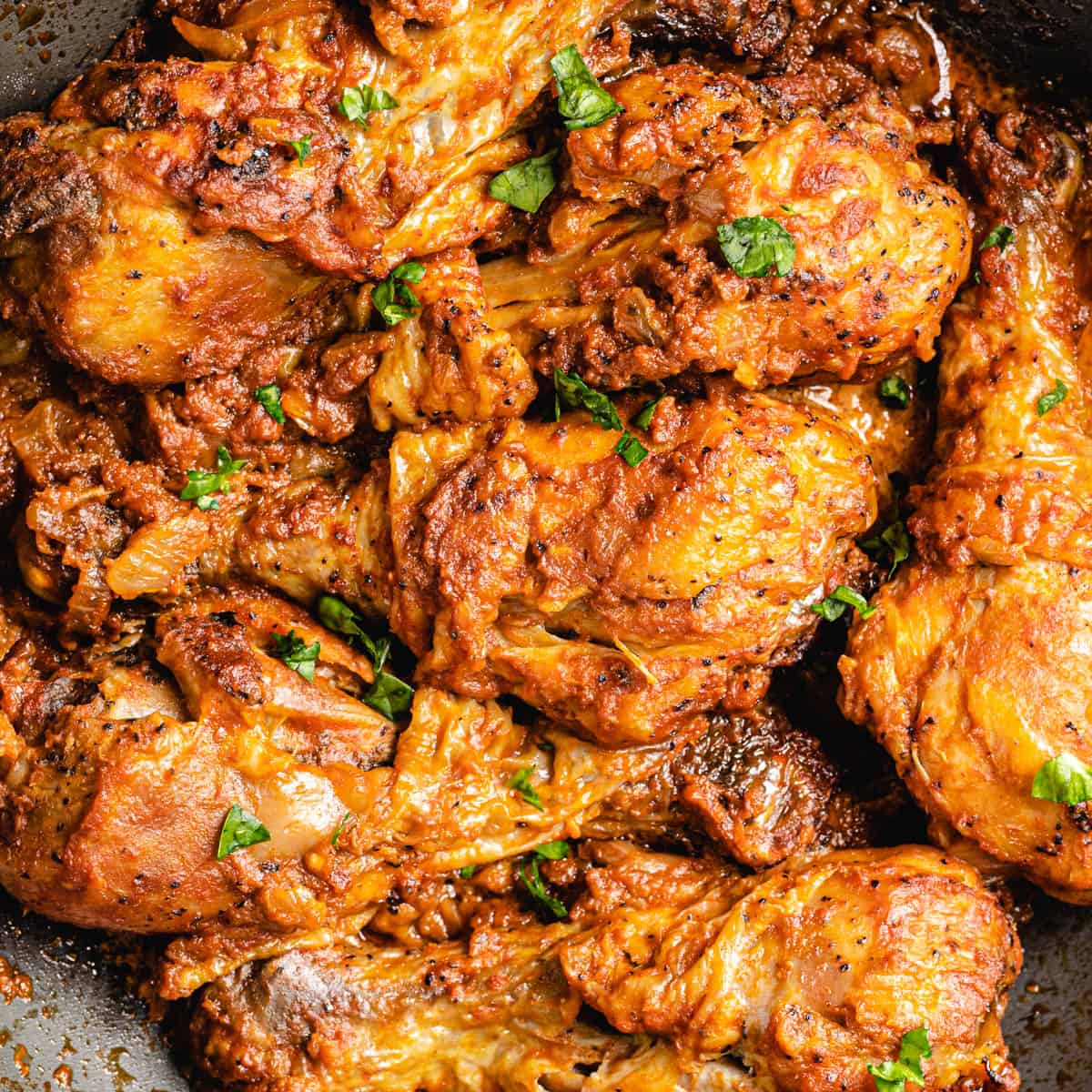
Moambe Chicken: A National Favorite
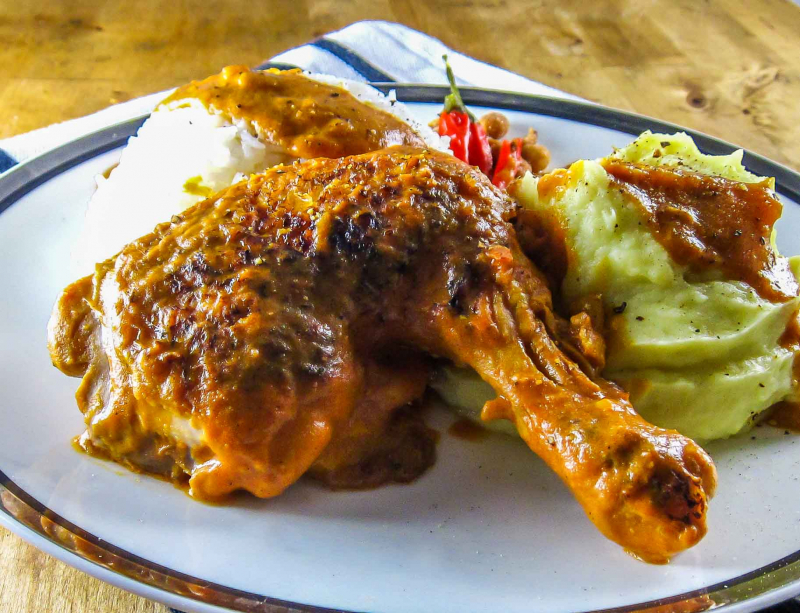
Moambe Chicken, also known as "Poulet à la Moambé," is a national dish of the Democratic Republic of Congo. This flavorful delicacy consists of chicken cooked in a rich and creamy sauce made from the pulp of palm nuts. The sauce is simmered with various spices and herbs, giving it a distinctive taste and aroma.
The Perfect Blend of Sweet and Savory
One of the highlights of Moambe Chicken is the perfect balance of sweet and savory flavors. The natural sweetness of the palm nut sauce, combined with the tender and juicy chicken, creates a delectable fusion that is unique to Congolese cuisine. The dish is often served with rice or fufu, allowing you to soak up every bit of the flavorful sauce.
Exploring the Culinary Delights of Matadi
If you happen to visit Matadi, a vibrant port city in the Democratic Republic of Congo, don't miss the opportunity to indulge in a plate of Moambe Chicken. Local restaurants in Matadi take pride in their traditional recipes, ensuring an authentic and unforgettable dining experience.
4. Makayabu: A Tempting Cassava Bread
Makayabu: A Congolese Delicacy
Makayabu is a delightful Congolese bread made from fermented cassava. The cassava dough is mixed with a special yeast called "Bikedi," which imparts a distinct flavor to the bread. Makayabu is traditionally prepared in cylindrical molds and then baked to perfection.
The Unique Texture and Flavor of Makayabu
What sets Makayabu apart is its unique texture and flavor. The bread has a slightly spongy consistency with a golden crust, making it a delightful treat to bite into. The fermentation process gives Makayabu a tangy taste, reminiscent of sourdough bread. It can be enjoyed on its own or paired with various spreads and toppings.
Uncovering the Makayabu Delight
To experience the true essence of Makayabu, venture into the vibrant markets of Lubumbashi, the second-largest city in the Democratic Republic of Congo. Local bakeries and street vendors offer freshly baked Makayabu, enticing both locals and visitors with its enticing aroma.
5. Chikwanga: A Sweet Cassava Pudding
Chikwanga: A Decadent Dessert
Chikwanga is a mouthwatering Congolese dessert made from grated cassava, coconut milk, and sugar. The ingredients are mixed together to form a smooth batter, which is then wrapped in banana leaves and steamed to perfection. The result is a sweet and creamy pudding that is loved by all.
Indulging in the Sweetness of Chikwanga
The sweetness of Chikwanga is simply irresistible. The natural flavors of cassava and coconut milk blend harmoniously, creating a luscious dessert that melts in your mouth. The pudding has a slightly sticky texture, adding to its unique appeal. Chikwanga is often enjoyed as a treat during festive occasions and celebrations.
Discovering Chikwanga in Kisangani
When in Kisangani, a city nestled along the Congo River, make sure to try the delectable Chikwanga. Local vendors and dessert shops in Kisangani offer this delightful treat, providing a sweet finale to your culinary adventure.
Frequently Asked Questions (FAQs)
Q1: What are the key ingredients in Congolese cuisine?
A1: Congolese cuisine incorporates a wide range of ingredients, including cassava, plantains, yams, palm oil, peanuts, and various types of meat and fish.
Q2: Is Congolese cuisine spicy?
A2: While some Congolese dishes may have a hint of spice, the cuisine is not generally known for being excessively spicy. The focus is more on the combination of flavors and the use of aromatic herbs and spices.
Q3: Are vegetarian options available in Congolese cuisine?
A3: Yes, Congolese cuisine offers several vegetarian options. Dishes like Saka-Saka (cassava leaf stew) and Makayabu (fermented cassava bread) can be enjoyed by vegetarians.
Q4: What is the significance of communal dining in Congolese culture?
A4: Communal dining holds great importance in Congolese culture. It fosters a sense of unity, togetherness, and hospitality among family members and friends.
Q5: Can I find Congolese restaurants outside of Congo?
A5: While Congolese restaurants may be relatively rare outside of Congo, some African restaurants or fusion cuisines may offer a taste of Congolese dishes in certain regions.
Q6: Are Congolese dishes gluten-free?
A6: Many traditional Congolese dishes are naturally gluten-free since they primarily rely on ingredients like cassava, yams, and plantains instead of wheat-based products.
Embarking on a culinary adventure through the vibrant flavors of Congolese cuisine is truly a delight for the senses. From the comforting fufu and savory Saka-Saka to the indulgent Moambe Chicken, Makayabu, and Chikwanga, each dish tells a story of tradition, culture, and the rich heritage of the Democratic Republic of Congo. So, gather your appetite and explore the world of these 5 delicious Congolese foods. Your taste buds will thank you for the journey!