5 Factors that Define Finnish Cuisine
-
 Loading...
 - Chantel Jonkers
- 13 Aug 2024
- 102 Views
- 0 Like
- 0 Comment
Finnish cuisine, often overlooked in the culinary world, is a treasure trove of unique flavors, ingredients, and cooking techniques that reflect the country's harsh climate, rich cultural heritage, and geographical location. Located in the far north of Europe, Finland's cuisine is shaped by its proximity to the Arctic Circle, its history of Swedish and Russian rule, and its strong connection to nature. In this article, we'll delve into the 5 key factors that define Finnish cuisine, exploring the ingredients, cooking methods, and cultural influences that make it so distinct.
1. Nature's Bounty - Foraging and Local Ingredients
Finland's vast wilderness and forests provide an abundance of natural ingredients that are integral to the country's cuisine. Foraging for wild berries, mushrooms, and herbs is a time-honored tradition in Finland, with many families passing down their knowledge of edible plants from generation to generation. The country's forests are home to an array of wild berries, including blueberries, raspberries, and cloudberries, which are used in jams, preserves, and desserts. Mushrooms, particularly chanterelles and ceps, are prized for their earthy flavor and texture, and are often used in soups, stews, and sauces.
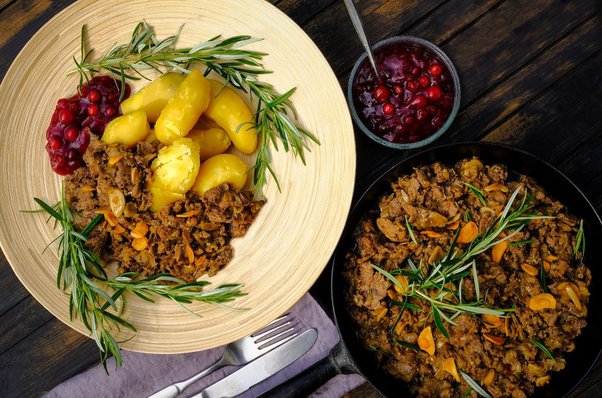
Fish and seafood are also staples of Finnish cuisine, with the country's thousands of lakes and coastal waters providing an abundance of fresh fish, including salmon, trout, and herring. Reindeer meat, sourced from the indigenous Sami people's herds, is another important ingredient, often used in stews, soups, and sautéed dishes.
2. Climate and Preservation Techniques
Finland's harsh, subarctic climate has led to the development of unique preservation techniques that allow for the storage of food throughout the long, dark winters. Smoking, salting, and pickling are traditional methods used to preserve fish, meat, and vegetables, ensuring a steady supply of food during the winter months. These techniques have also influenced the flavor profiles of Finnish dishes, with smoky, salty, and tangy flavors being characteristic of many traditional recipes.
Fermentation is another important preservation technique in Finnish cuisine, with sauerkraut, kimchi, and fermented fish being staples in many households. The fermentation process not only preserves food but also adds depth and complexity to the flavors, making it an essential component of Finnish cooking.
3. Swedish and Russian Influences
Finland's history of Swedish and Russian rule has had a profound impact on the country's cuisine. Swedish influences can be seen in the use of dairy products, such as milk, cream, and cheese, which are staples in many Finnish recipes. The Swedish tradition of baking and pastry-making has also been adopted by the Finns, with sweet breads, pastries, and cakes being popular treats.
Russian influences are evident in the use of beef, pork, and chicken, which were introduced to Finland during the Russian occupation. The Russian tradition of hearty, comforting dishes, such as stews and borscht, has also been incorporated into Finnish cuisine.
4. Simple, Hearty Cooking
Finnish cuisine is characterized by simple, hearty cooking methods that prioritize flavor and nutrition over presentation and complexity. Stews, soups, and casseroles are staples of Finnish cooking, with ingredients often being slow-cooked in large pots to extract maximum flavor and nutrition. The use of root vegetables, such as potatoes, carrots, and turnips, is also common, providing sustenance and energy during the long, cold winters.
Grilling and smoking are also popular cooking methods in Finland, with many families owning a summer cottage or cabin where they can cook and enjoy traditional dishes, such as grilled fish and sausages, in the great outdoors.
5. Cultural Heritage and Tradition
Finnish cuisine is deeply rooted in the country's cultural heritage and tradition. Food plays a central role in Finnish celebrations and gatherings, with many traditional dishes being served at special occasions, such as weddings, holidays, and harvest festivals. The concept of "karelian stew," a traditional dish from the eastern region of Karelia, is a prime example of this cultural significance. The stew, made with beef, pork, and vegetables, is often served at family gatherings and celebrations, symbolizing warmth, comfort, and community.
In conclusion, Finnish cuisine is a unique and flavorful reflection of the country's harsh climate, rich cultural heritage, and geographical location. The 5 factors that define Finnish cuisine - nature's bounty, climate and preservation techniques, Swedish and Russian influences, simple, hearty cooking, and cultural heritage and tradition - have shaped the country's culinary identity, resulting in a cuisine that is both distinct and delicious. Whether you're a foodie, a nature lover, or simply curious about the world's culinary diversity, Finnish cuisine is definitely worth exploring.