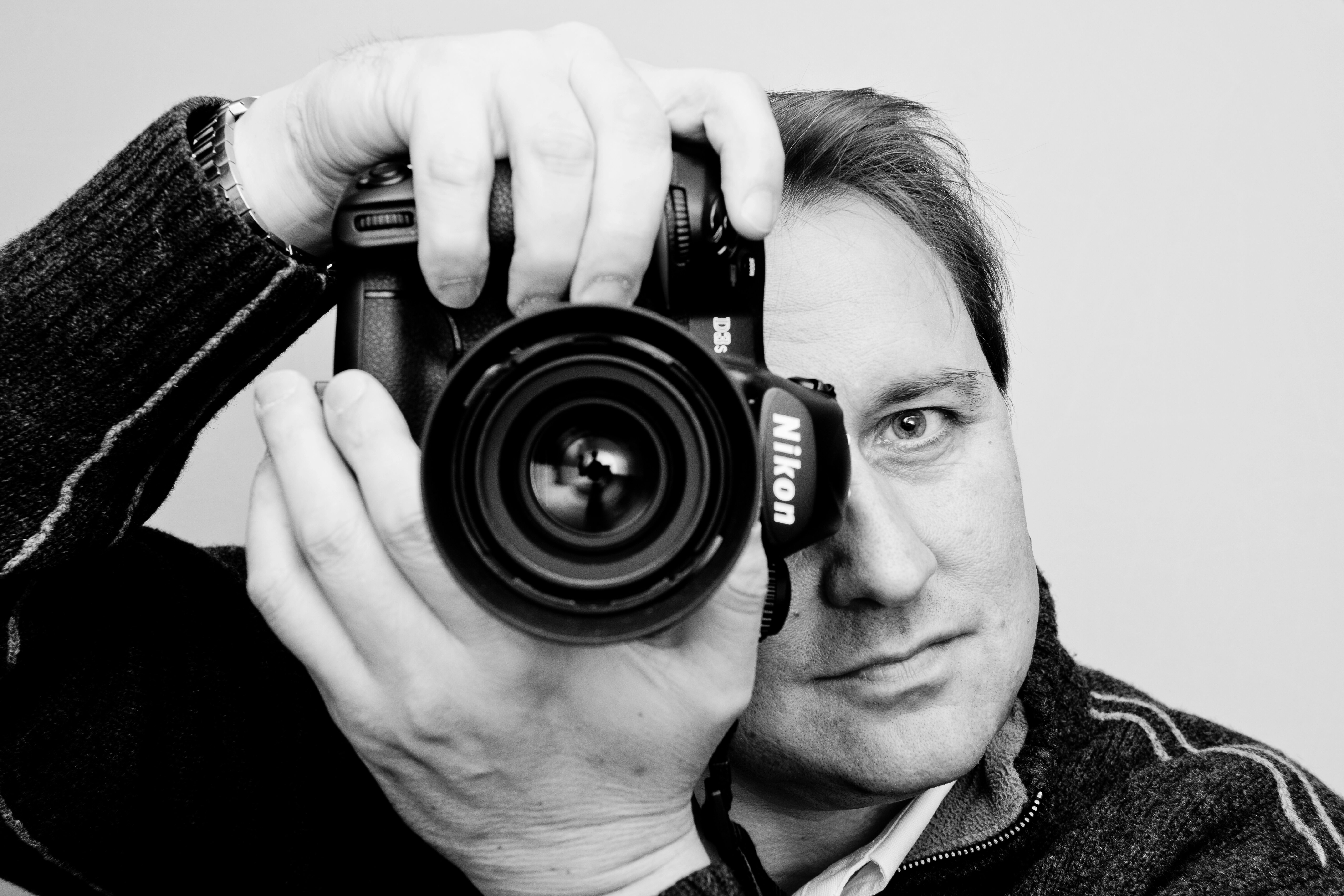
5 Helpful Tips for Better Portrait Compositions
-
 Loading...
 - Molina Pascual
- 30 May 2023
- 58 Views
- 0 Like
- 0 Comment
Creating compelling portrait compositions is an art form that requires a careful balance of technical skills and artistic vision. Whether you're an amateur photographer or a seasoned professional, understanding the key elements that contribute to a captivating portrait can greatly enhance your photography. In this article, we'll explore five helpful tips that will take your portrait compositions to the next level. From mastering lighting techniques to incorporating effective posing, these tips will help you capture stunning portraits that truly resonate with your viewers.
1. Mastering Lighting Techniques
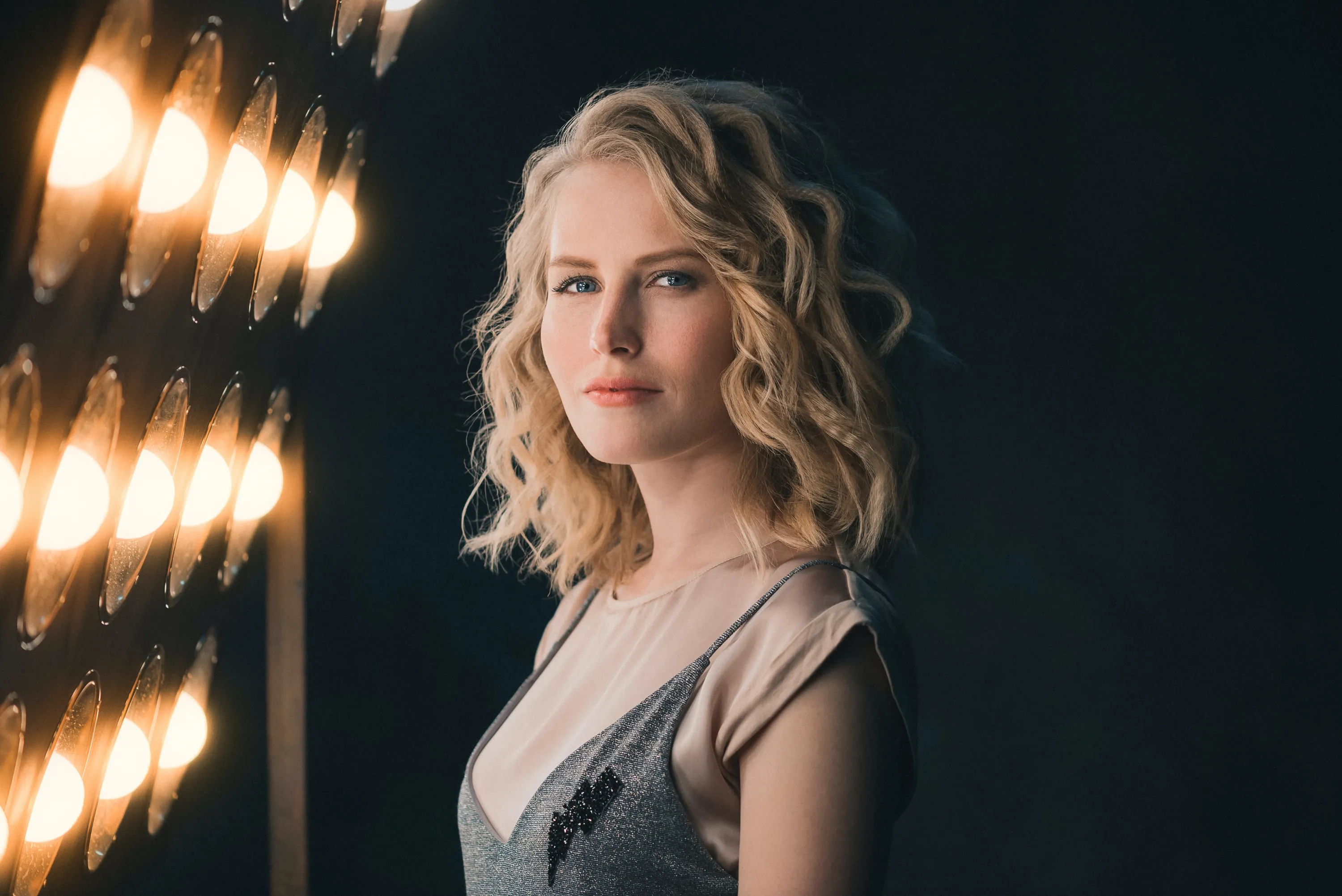
Lighting plays a crucial role in portrait photography, as it can dramatically affect the mood and overall quality of your images. To create visually striking portraits, consider experimenting with different lighting setups. Natural light can provide soft and flattering illumination, especially during golden hour—the period shortly after sunrise or before sunset. Alternatively, using artificial lighting sources such as strobes or continuous lights allows for greater control and flexibility. Positioning your subject about the light source and using reflectors or diffusers can also help you achieve desired lighting effects.
2. Choosing the Right Background
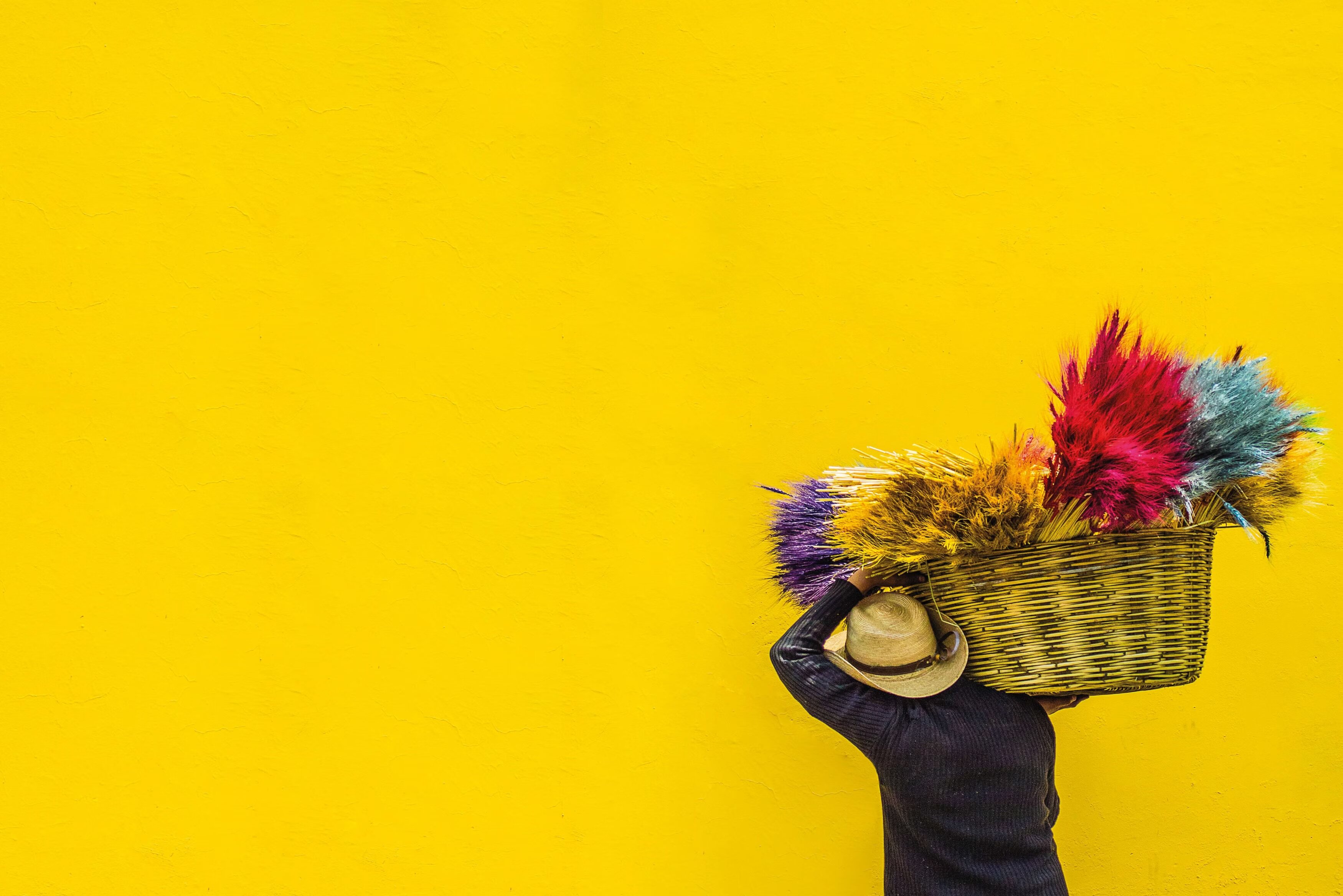
The background of a portrait serves as a canvas that complements and enhances the subject. When selecting a background, consider the mood and story you want to convey. A plain and uncluttered background can emphasize the subject, drawing the viewer's attention directly to them. On the other hand, incorporating a relevant and visually interesting backdrop can add depth and context to the composition. Experiment with different textures, colors, and patterns to find a background that harmonizes with your subject and the overall theme of the portrait.
3. Posing Techniques for Natural Expressions
Posing your subject is an essential aspect of portrait photography, as it helps convey their personality and emotions. To capture natural expressions, encourage your subject to relax and be themselves. Guide them with gentle instructions rather than rigid poses, allowing for authentic moments to unfold. Encourage natural movements and expressions, and be ready to capture those candid shots that often convey the most genuine emotions. Pay attention to body language and facial expressions, ensuring that they align with the mood and message you want to convey through your portrait.
4. Composition and Framing
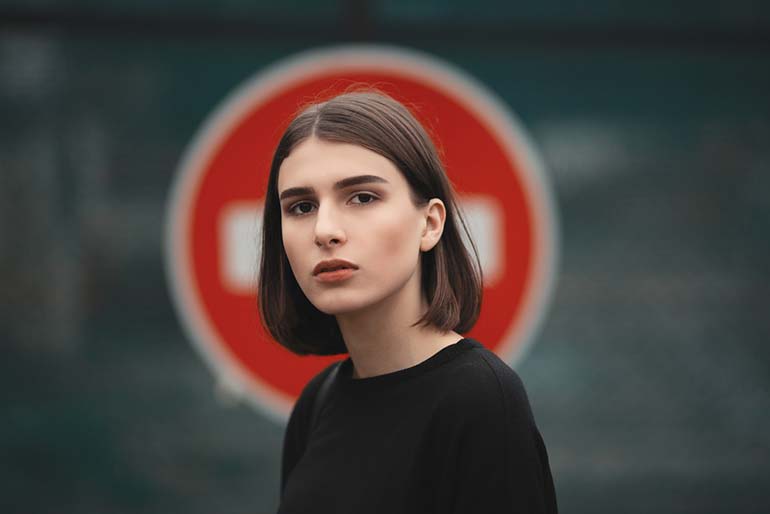
Composition is the foundation of any great photograph, and portraits are no exception. When framing your subject, consider the rule of thirds—a basic principle in photography that involves dividing the frame into a grid of nine equal parts. Positioning your subject along these grid lines or at their intersections can create a visually pleasing and balanced composition. Additionally, using leading lines or frames within the frame can draw attention to the subject, adding depth and visual interest to your portraits.
5. The Power of Props

Incorporating props into your portrait compositions can add layers of storytelling and visual appeal. Props can range from simple objects that complement the subject's personality or interests to elaborate set pieces that create a specific atmosphere. Props can serve as symbolic elements, revealing aspects of the subject's identity or creating narratives within the frame. When using props, ensure they enhance rather than distract from the main subject, and consider their placement and interaction with the overall composition.
Frequently Asked Questions (FAQs)
1. Should I always use natural light for portrait photography?
While natural light can provide beautiful and soft illumination for portraits, artificial lighting sources offer greater control and versatility. Experiment with both and find the lighting style that best suits your desired outcome and the available conditions.
2. How can I make my subject feel more comfortable during a photoshoot?
Creating a comfortable and relaxed environment is essential to capturing natural expressions. Establish a rapport with your subject, engage in conversation, and provide clear and gentle instructions.