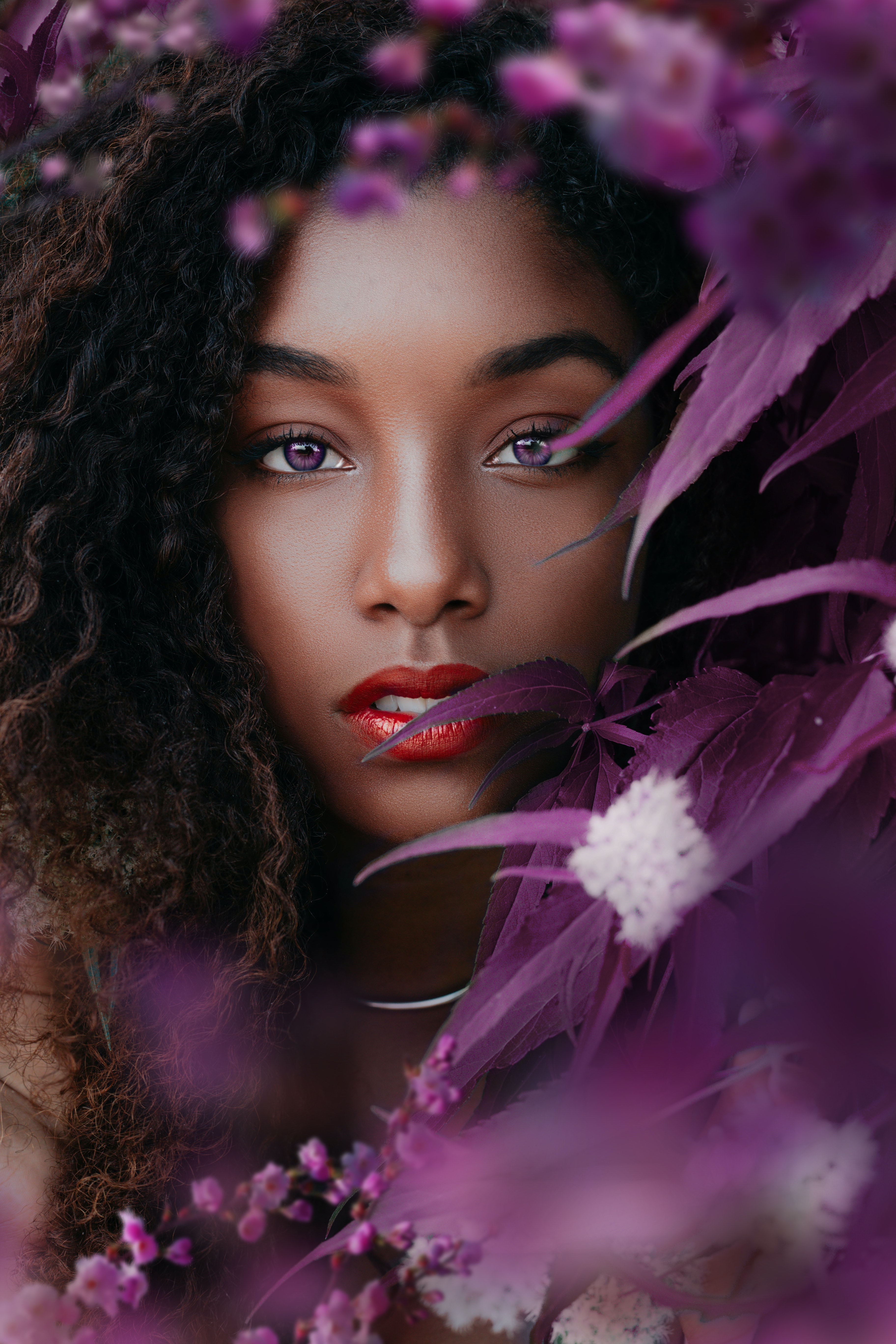
10 Portrait Photography Tips: Capture Moments with Style and Elegance
-
 Loading...
 - Keneth John
- 30 May 2023
- 65 Views
- 0 Like
- 0 Comment
Are you an aspiring photographer looking to enhance your skills in portrait photography? Look no further! In this comprehensive guide, we present you with 10 invaluable portrait photography tips that will help you capture stunning images and create lasting memories. Whether you're a beginner or an experienced photographer, these tips will provide you with the necessary techniques and insights to take your portrait photography to the next level. So, grab your camera, unleash your creativity, and let's dive right in!
10 Portrait Photography Tips
1. Master the Art of Composition
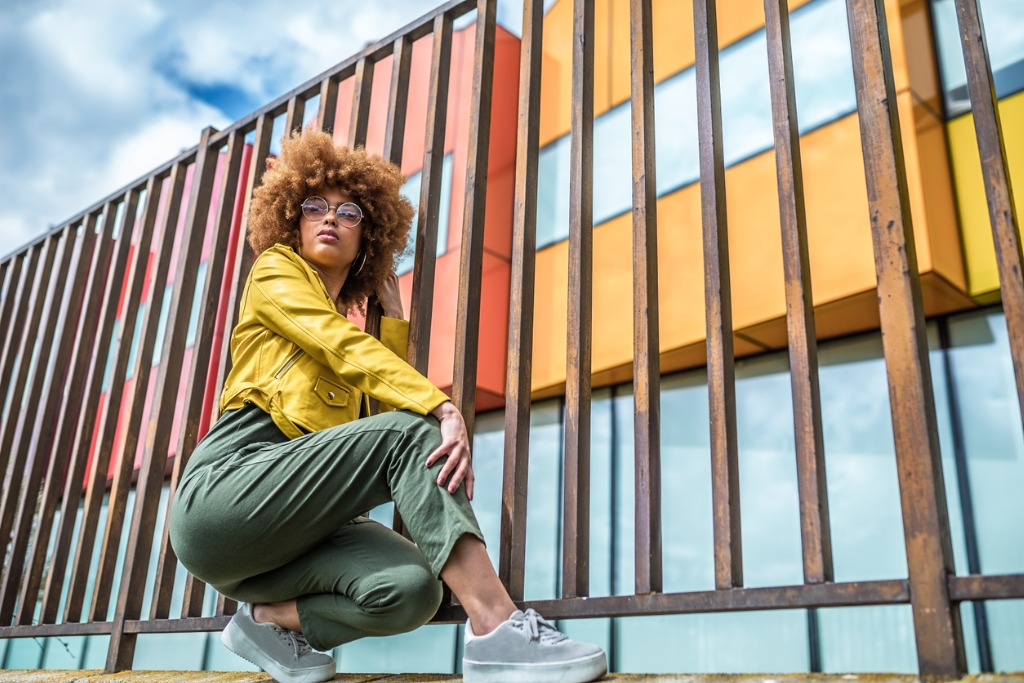
Composition plays a vital role in portrait photography. It determines how elements within the frame interact and draws the viewer's attention to the subject. Experiment with different techniques such as the rule of thirds, leading lines, and framing to create visually appealing compositions that enhance your subject's presence.
![500+ Black Man Pictures [HQ] | Download Free Images on Unsplash](https://www.bebuzee.com/upload/images/users/blog/20230530153859_64761893d9238.jpeg)
2. Utilize Natural Light to Your Advantage
Harnessing the power of natural light can elevate your portrait photography to new heights. Position your subject near a window or shoot during the golden hours of the day (early morning or late afternoon) for soft, flattering light. Avoid harsh midday sunlight that can cast unflattering shadows on your subject's face.
3. Engage and Connect with Your Subject
Establishing a connection with your subject is crucial to capturing authentic and emotive portraits. Interact, communicate, and make them feel comfortable in front of the camera. Encourage natural expressions and emotions to bring life to your photographs.
4. Experiment with Different Perspectives
Don't be afraid to explore unconventional angles and perspectives to add a unique touch to your portraits. Shoot from high above, get down low, or try shooting through objects to create interesting and visually captivating compositions that tell a story.
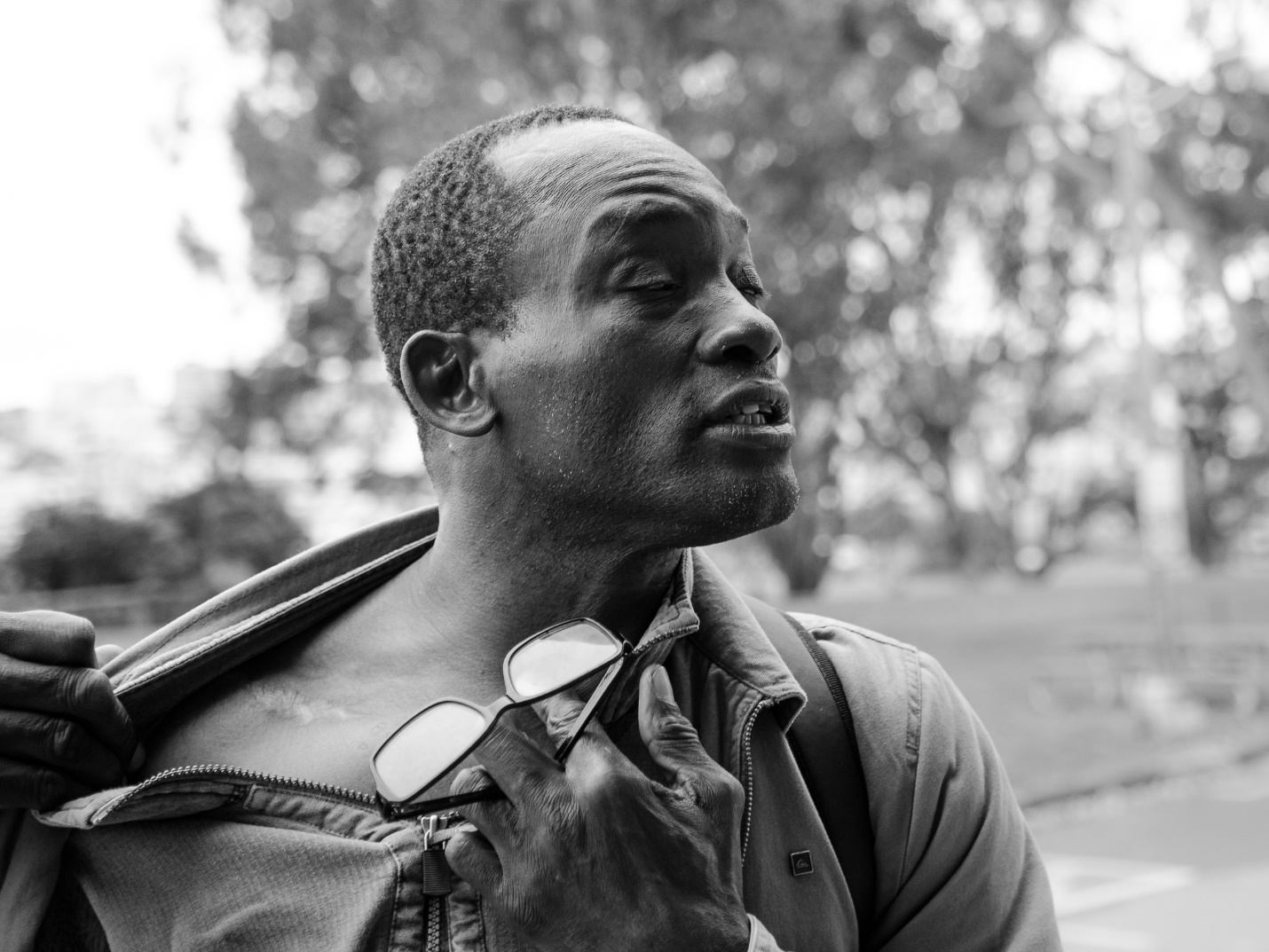
5. Pay Attention to Backgrounds and Foregrounds
The background and foreground elements can greatly impact the overall impact of your portraits. Ensure they complement your subject rather than distract from them. Look for simple and uncluttered backgrounds that allow your subject to stand out.
6. Play with Depth of Field
Controlling the depth of field can add a sense of depth and dimension to your portraits. Use a wide aperture (small f-number) to blur the background and isolate your subject, or use a narrow aperture (large f-number) to keep the entire scene in focus, depending on the mood and story you want to convey.
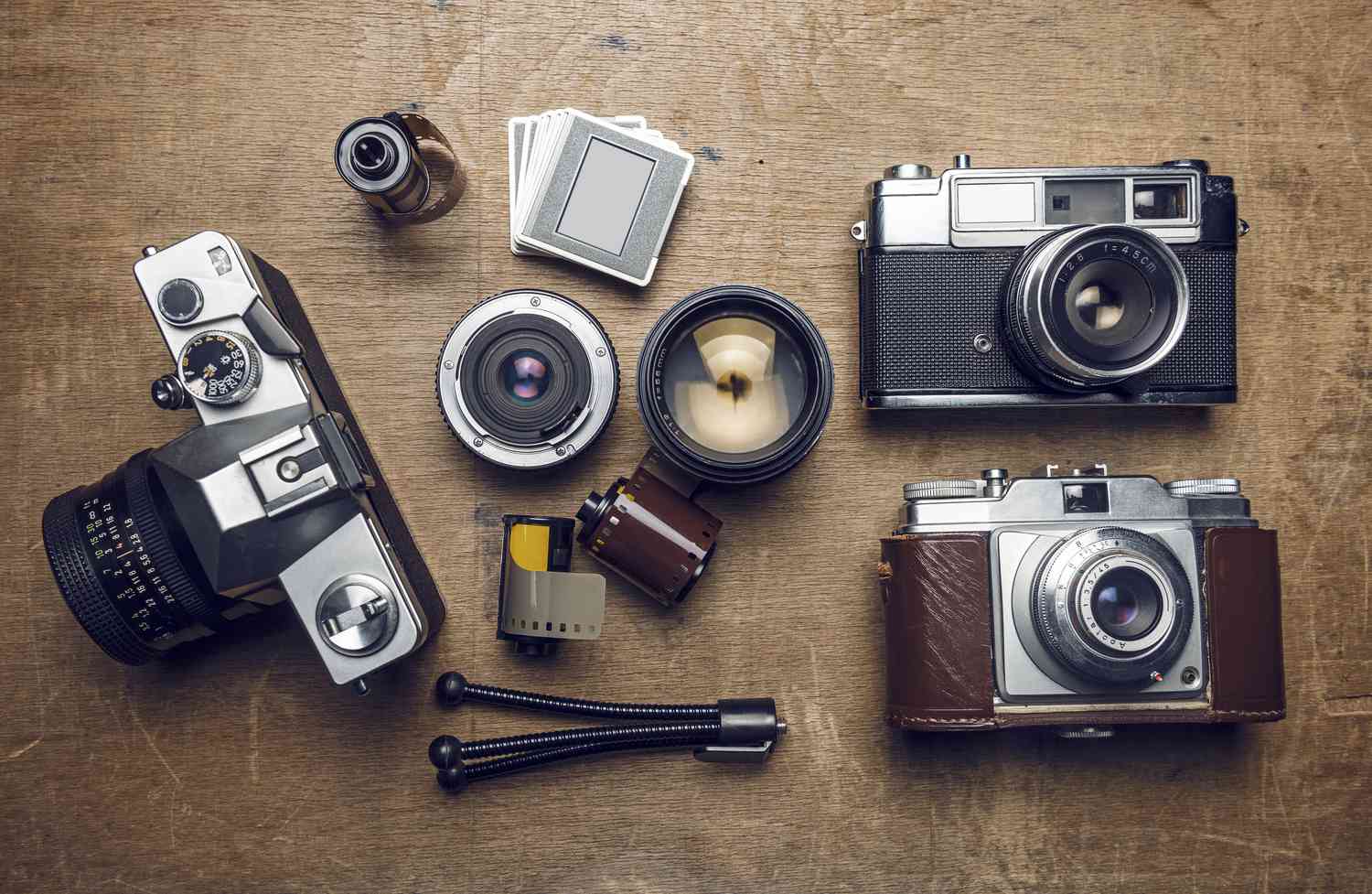
7. Experiment with Different Lenses
Different lenses offer unique perspectives and capabilities, allowing you to explore diverse creative possibilities. Experiment with wide-angle lenses for environmental portraits or telephoto lenses for close-ups with beautiful background compression.
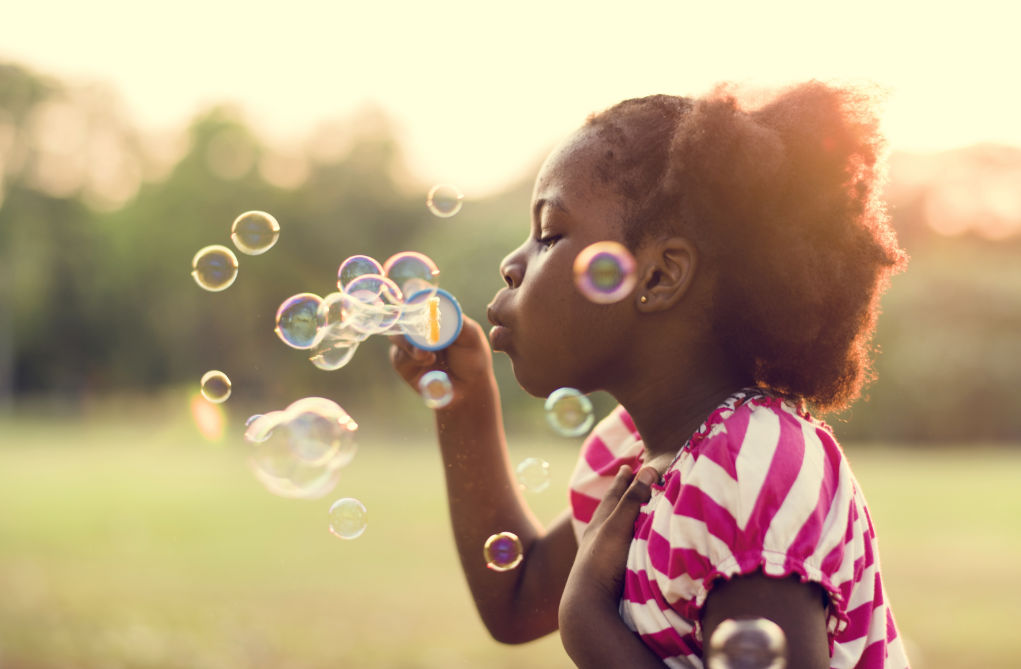
8. Use Props and Accessories to Enhance the Story
Incorporating props and accessories can add depth and visual interest to your portraits. Whether it's a simple flower, a vintage chair, or a piece of fabric, props can help create a narrative and convey the subject's personality or story.
9. Focus on Eyes and Facial Expressions
The eyes are the window to the soul, and capturing them in a portrait can create a profound connection with the viewer. Ensure your subject's eyes are in sharp focus and try to capture genuine emotions and expressions that reveal their personality.
10. Post-Processing for the Finishing Touch
Post-processing is the final step in bringing your vision to life. Experiment with different editing techniques and software to enhance your images, adjust colors, and create a consistent style. Remember, moderation is key, so aim for a natural and timeless look.
FAQs
Q1. How can I create a professional-looking portrait?
A1. To create a professional-looking portrait, it's essential to focus on composition, lighting, and connection with your subject. Pay attention to details, experiment with different techniques, and continuously practice to refine your skills.
Q2. Which camera is best for portrait photography?
A2. While there are various camera options available, a camera with interchangeable lenses and manual controls is ideal for portrait photography. Look for models that offer a wide range of ISO settings, good low-light performance, and the ability to capture high-resolution images.
Q3. How do I pose my subjects for a portrait?
A3. Posing your subjects can greatly impact the overall look and feel of your portraits. Communicate clearly with your subject, guide them with gentle instructions, and encourage natural movements and expressions. Make them feel comfortable and confident throughout the shoot.
Q4. Should I use a flash in portrait photography?
A4. While natural light is often preferred in portrait photography, a well-used flash can be a valuable tool. It can help fill in shadows, add a catchlight to the eyes, or provide creative lighting effects. Experiment with both natural and artificial light sources to achieve the desired results.
Q5. How can I capture candid moments in portrait photography?
A5. Candid moments can be incredibly powerful in portrait photography, revealing genuine emotions and personalities. To capture them, be observant, patient, and ready to capture fleeting moments. Avoid interrupting the scene and aim for a stealthy approach to maintain the authenticity of the moment.
Q6. What is the best background for portrait photography?
A6. The best background for portrait photography is one that complements and enhances your subject without overpowering them. Simple and uncluttered backgrounds, such as textured walls or natural landscapes, can provide an excellent backdrop that doesn't distract from the main subject.
In conclusion, by incorporating these 10 portrait photography tips into your practice, you'll be well on your way to creating stunning and memorable portraits. Remember, capturing the essence of your subject goes beyond technical expertise—it requires building a connection, experimenting with different techniques, and continuously refining your skills. So, pick up your camera, embrace your creativity, and embark on a journey of capturing beautiful moments with style and elegance.