5 Top Tips On How To Control & Work With Natural Light
-
 Loading...
 - Vinha Harju
- 31 May 2023
- 55 Views
- 0 Like
- 0 Comment
Discover the art of harnessing the power of natural light to elevate your photographs with a stunning visual impact. The beauty of this technique lies in its cost-effectiveness, as you can achieve remarkable results without the need for expensive lighting equipment.
In outdoor photography, natural light is often the primary illumination at our disposal. Contrary to its unpredictable nature, there are various methods to control and manipulate it in order to capture your desired image.
Observe the Visual Transformation
The appearance of a scene can vary significantly depending on the time of day. Hence, it is valuable to visit your chosen location on different occasions, ideally a day or so prior to your photo session. This grants you the opportunity to assess when the scene is at its most captivating. While this may not always be feasible, conducting online research about your location can yield useful insights that you can utilize to your advantage.
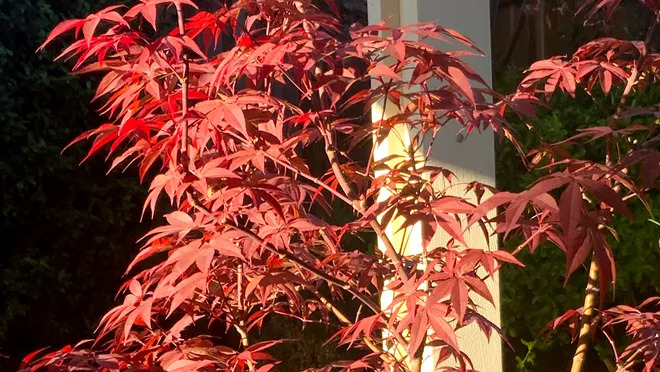
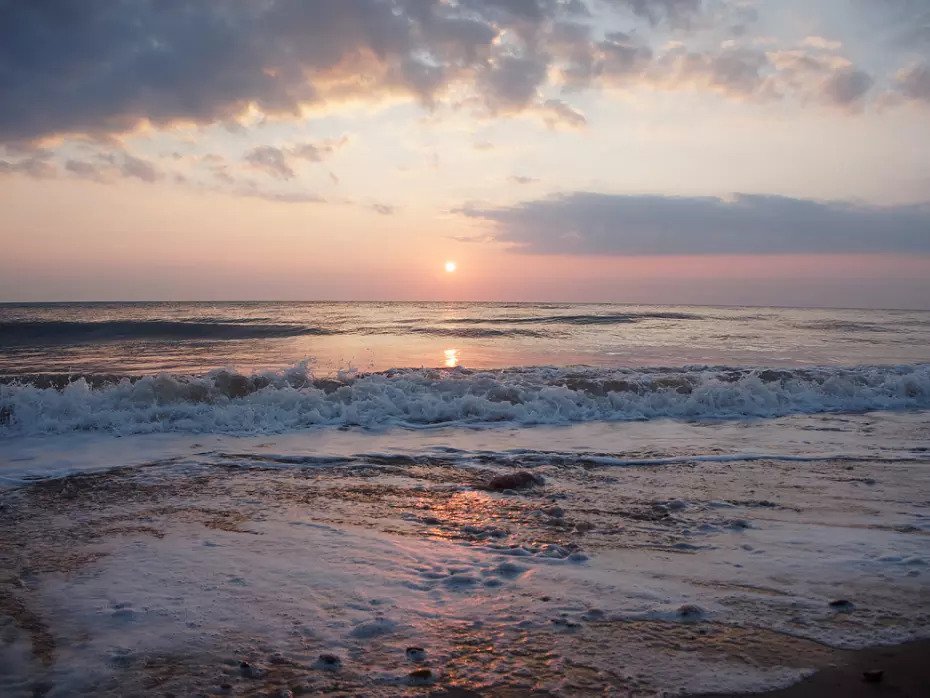
Moreover, it is important not to limit yourself to shooting exclusively during the renowned "golden hours." Certain subjects, particularly those involving close-up work and the creation of textures, may exhibit enhanced aesthetics when captured at other times of the day. Nevertheless, the gentle glow of early morning or late afternoon sunlight has the potential to breathe life into an otherwise flat and uninspiring scene.
Manipulate Light Direction
By changing your shooting position or repositioning your subject, if possible, you can effectively modify the direction in which the light falls. The relationship between light direction and your subject is pivotal, as it can elevate your image from good to exceptional. When setting up your shot, consider the optimal light direction for the scene—whether front, side, or backlighting. Side lighting often produces exquisite highlights and shadows, adding a sense of dimension to your shots.

Harness the Power of Reflectors
Reflectors are versatile tools available in a variety of shapes, sizes, and colors. Primarily, they come in white, silver, or gold, with each color reflecting light in a slightly different manner. White reflectors are a reliable choice, but for a brighter illumination, a silver reflector is recommended. On the other hand, gold reflectors produce a warm, inviting glow.
Why employ a reflector, you ask? It is a simple and cost-effective method to redirect light precisely where it is needed. Be mindful not to position the reflector too low, and remember that light bounces off it at the same angle at which it hits. Additionally, the closer the reflector is to your subject, the more intense the reflected light will be.
Soften and Diffuse the Light
When working indoors with natural light pouring in through windows, you can employ curtains as barn doors or flags to control the light spill. To achieve a softer, more diffused lighting effect, consider using a net or similar material.
For outdoor shoots, guide your subject towards shaded areas, where the light is evenly distributed. This will result in a more flattering portrait, free from harsh shadows or excessive highlights.

Enhance in Post-Processing
While the goal is to capture impeccable images directly in-camera, slight adjustments during post-processing are often necessary to achieve a balanced tonal range. Although this may deviate from the topic of working with natural light in the field, it is crucial for ensuring the overall harmony of natural light throughout the entire image.
In conclusion, mastering the art of working with natural light empowers photographers to create captivating visuals without the need for expensive lighting equipment. By paying attention to time of day, manipulating light direction, utilizing reflectors, diffusing light, and fine-tuning in post-processing, you can unlock the true potential of natural light and elevate your photography to new heights.