Effective lighting techniques to enhance your photography
-
 Loading...
 - Arnold Kaiser
- 03 Jul 2024
- 48 Views
- 0 Like
- 0 Comment
Discover the secrets to elevating your photography game through expert lighting techniques. From natural lighting to studio setups, learn how to capture stunning images that captivate your audience.
As a photographer, you know that lighting is the key to creating breathtaking images. Whether you're shooting landscapes, portraits, or still life, mastering the art of lighting can make all the difference in the quality and impact of your work. In this comprehensive guide, we'll explore a range of effective lighting techniques that will help you take your photography to new heights.

Harnessing Natural Light
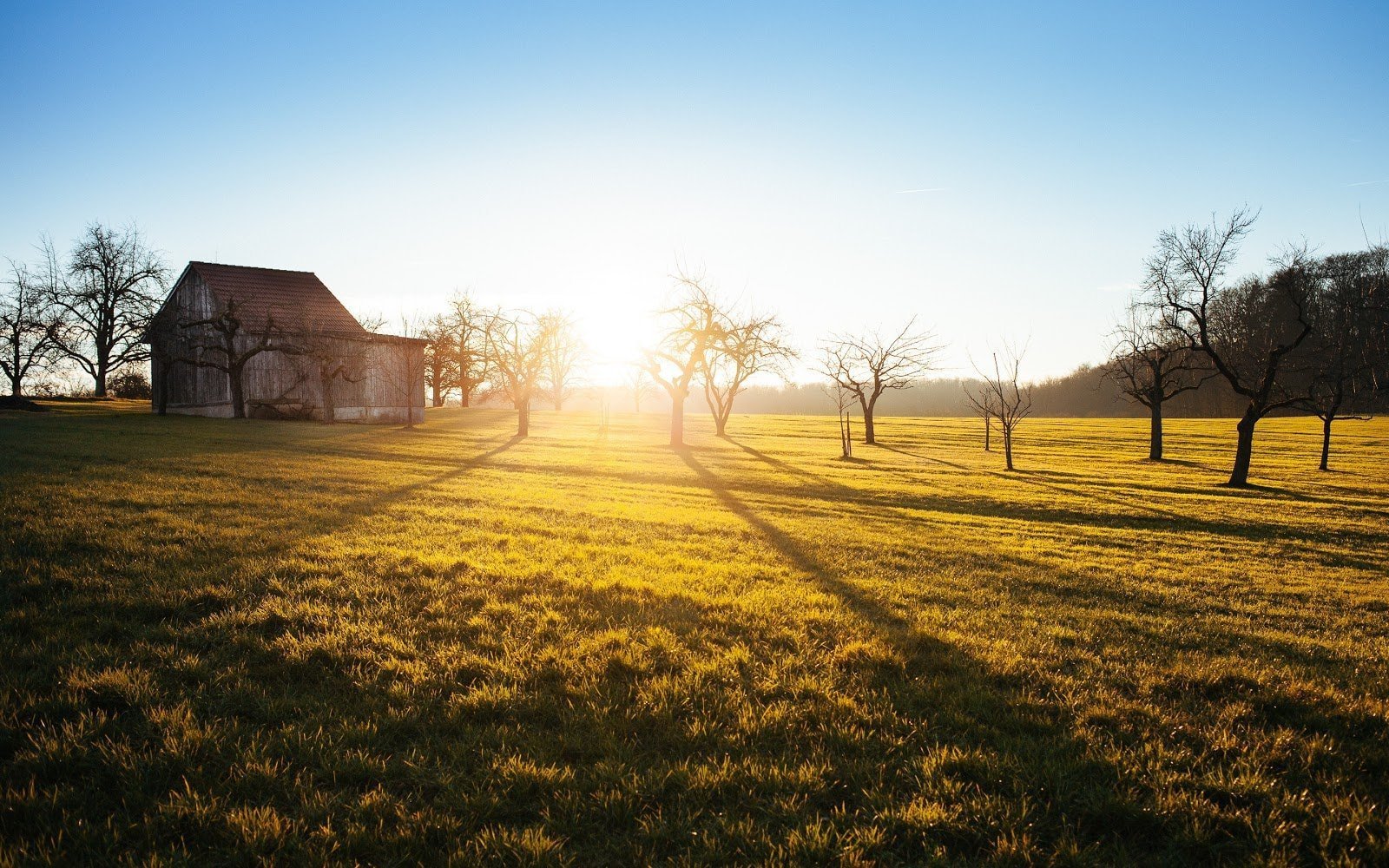
One of the most powerful and versatile lighting sources is the sun. Capturing the right natural light can lend an ethereal, warm, or dramatic quality to your images. Learn to work with the sun's position, intensity, and direction to your advantage.
Tip 1: Shoot during the golden hour
The first and last hours of daylight, known as the golden hour, offer a soft, warm glow that can elevate your photos. Position your subject to take advantage of this beautiful natural light.
Tip 2: Use reflectors to bounce light
Reflectors can help you control and direct natural light. Experiment with different surfaces and angles to fill in shadows or create a more even lighting setup.
Tip 3: Harness backlight for dramatic effects
Backlighting your subject can result in stunning silhouettes or a glowing, ethereal look. Pay attention to the direction and intensity of the light to achieve your desired effect.
Mastering Studio Lighting
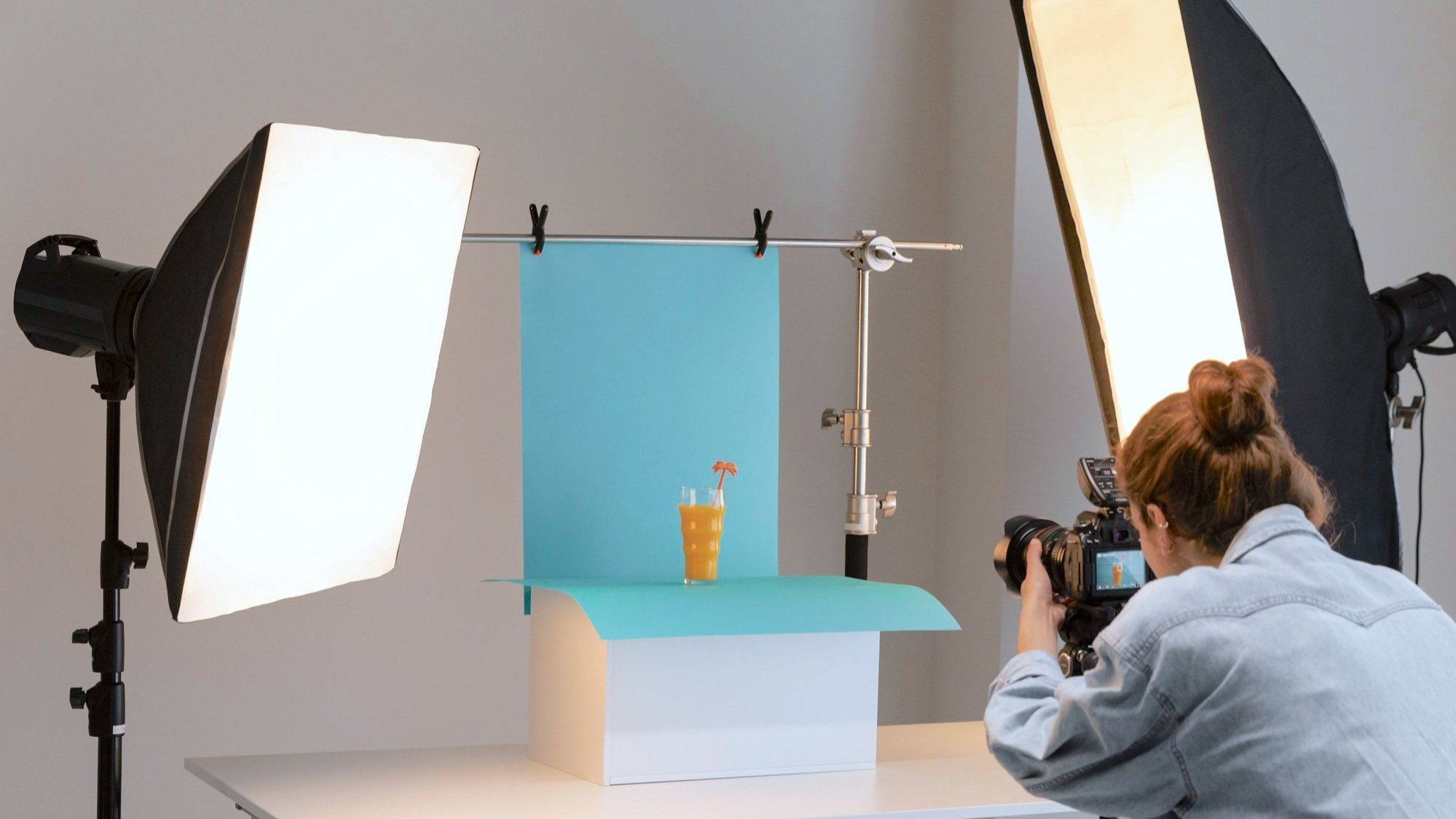
While natural light can be breathtaking, a controlled studio environment allows you to fine-tune your lighting setup and achieve a wide range of moods and styles.
Tip 1: Understand the three-point lighting system
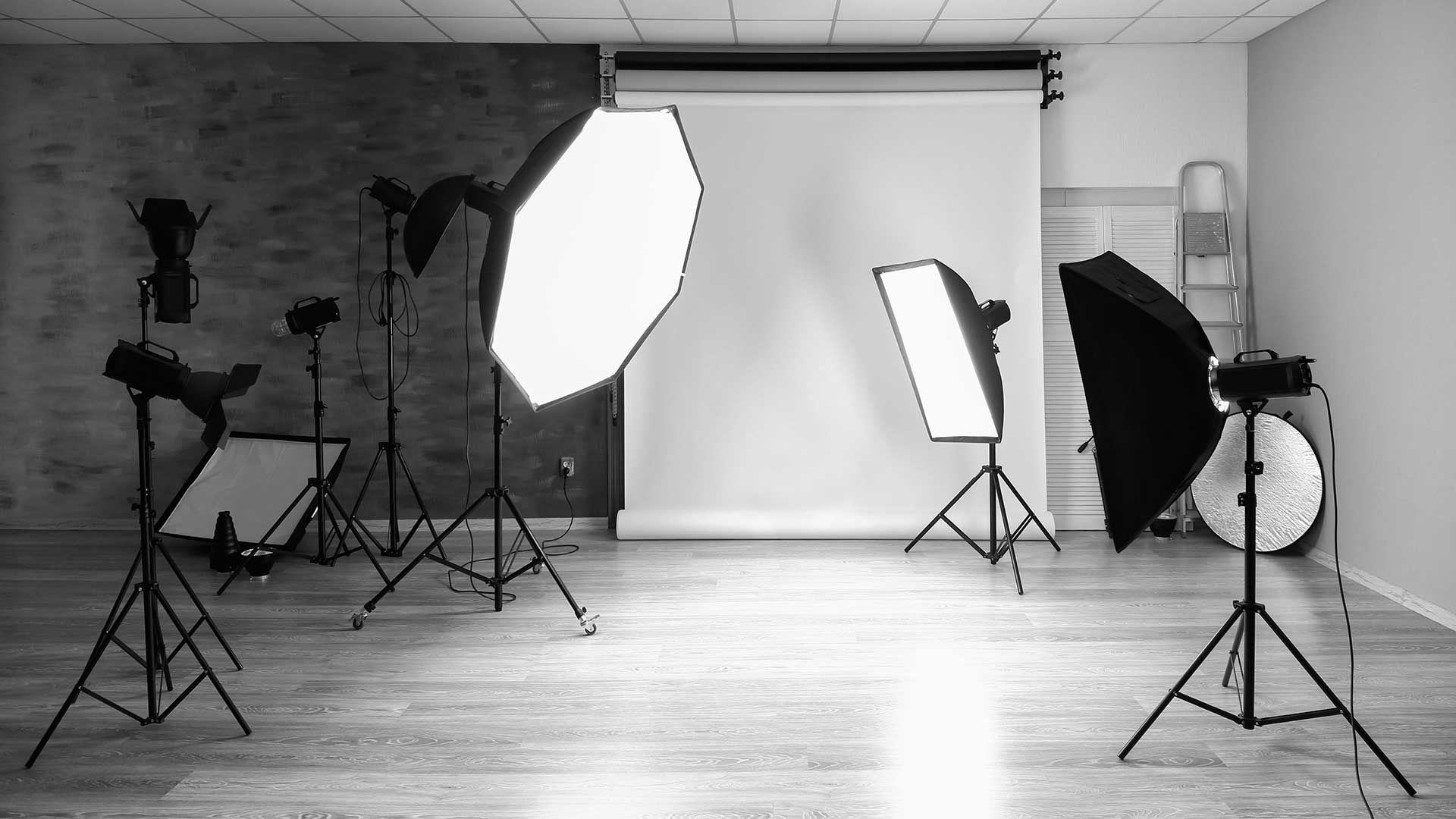
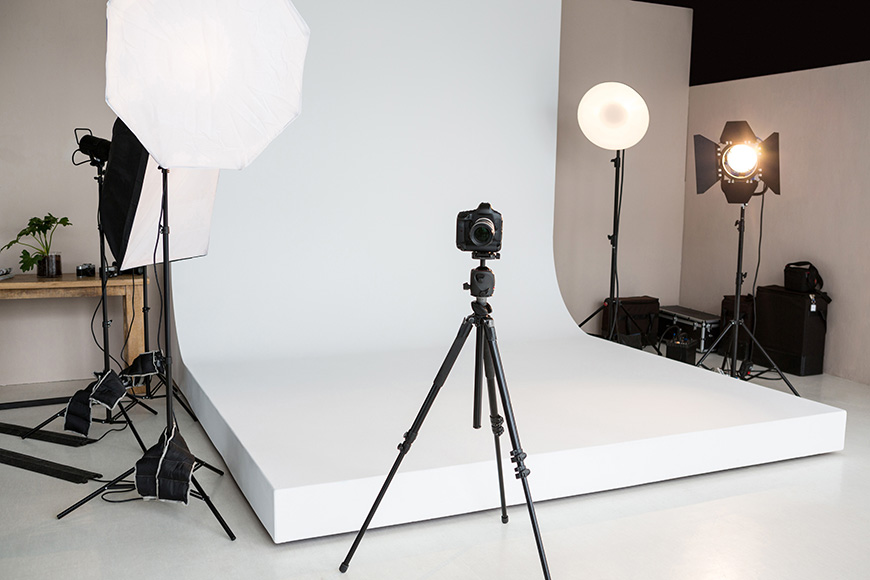
The three-point lighting system, consisting of a key light, fill light, and backlight, is a fundamental studio lighting technique. Experiment with the placement and intensity of each light to create depth and dimension.
Tip 2: Utilize modifiers for versatility
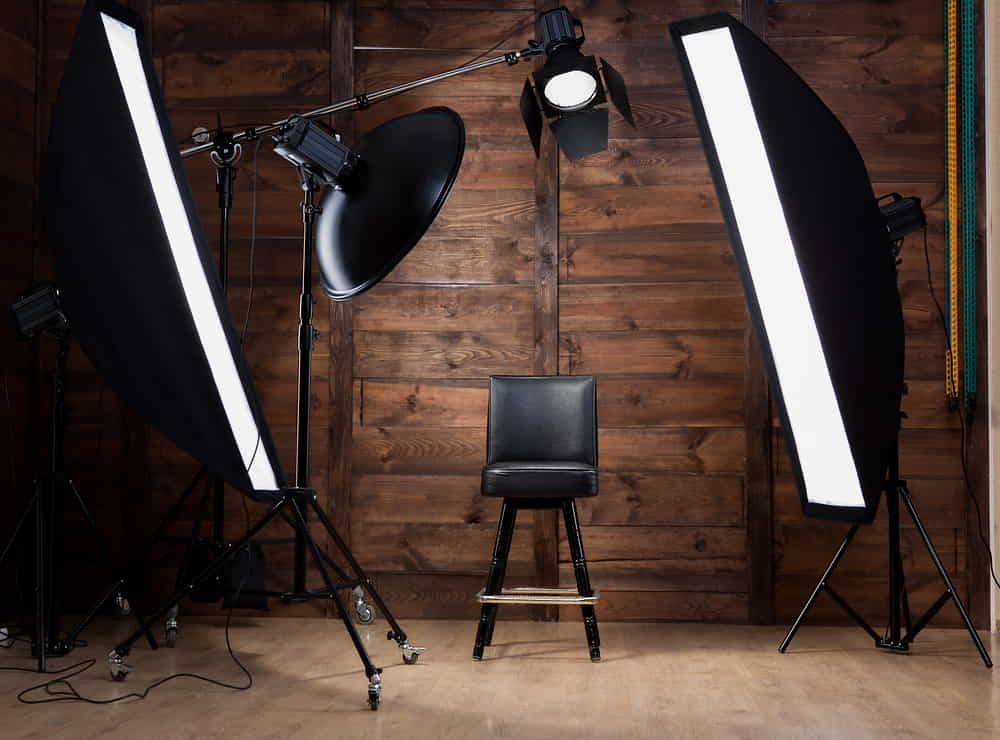
Softboxes, umbrellas, and other light modifiers can help you shape and diffuse the light, creating a softer, more flattering look for your subjects.
Tip 3: Experiment with creative lighting setups
Don't be afraid to think outside the box. Try using colored gels, rim lighting, or even unconventional light sources to achieve unique and eye-catching results.
Mastering the Art of Lighting Ratios
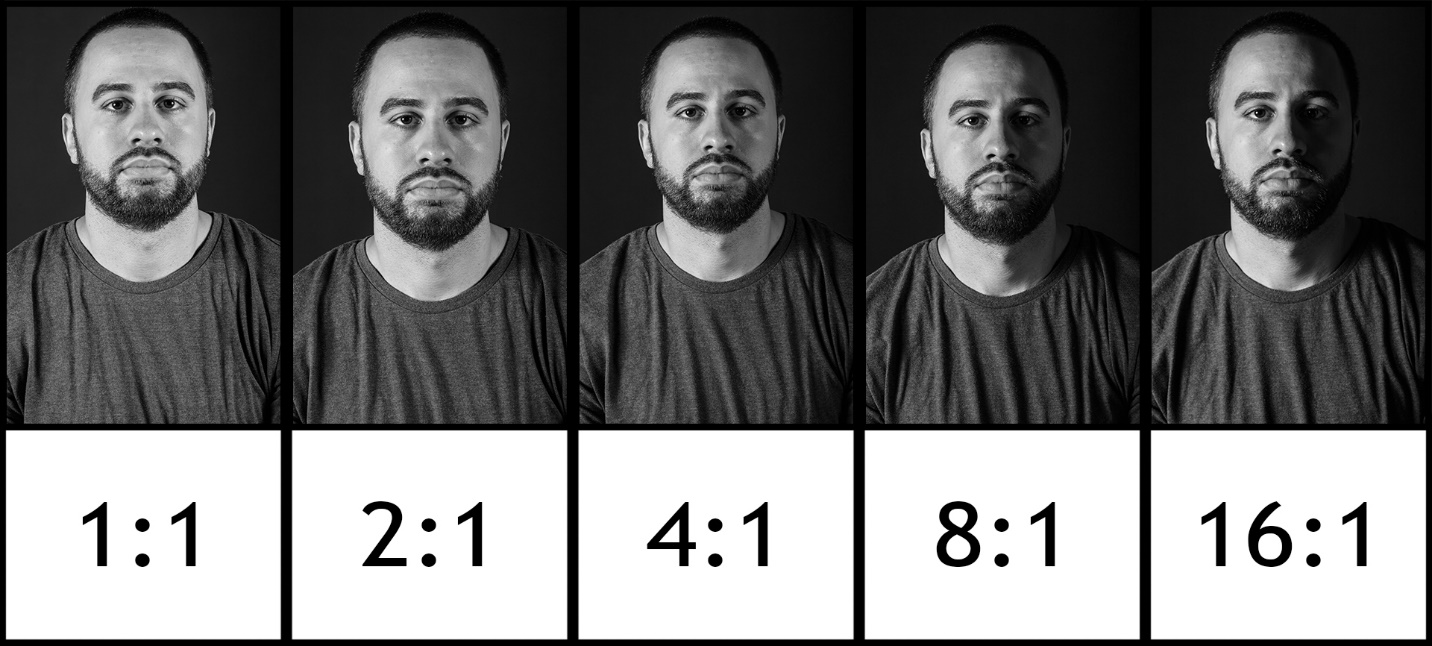
The relationship between the key light and fill light, known as the lighting ratio, can greatly impact the mood and drama of your images.
Tip 1: Understand the role of lighting ratios
A high-contrast ratio, with a strong key light and minimal fill, can create a dramatic, moody look. A low-contrast ratio, with a more even balance between the key and fill lights, results in a softer, more even lighting.
Tip 2: Adjust the ratio for different effects
Experiment with adjusting the lighting ratio to achieve your desired look. A high-contrast ratio works well for bold, edgy portraits, while a low-contrast ratio is ideal for soft, glamorous shots.
Tip 3: Use your camera's histogram to fine-tune the ratio
The camera's histogram can provide valuable feedback on the balance of light and shadow in your image, helping you fine-tune your lighting ratio for the perfect result.
Conclusion
Mastering the art of lighting is a never-ending journey, but the rewards are well worth the effort. By incorporating these effective lighting techniques into your photography, you'll be able to capture images that truly captivate your audience and elevate your skills to new heights. Happy shooting!
Remember, the key to great photography is practice, experimentation, and a deep understanding of the power of light. Keep exploring, and don't be afraid to step outside your comfort zone. Your creativity and dedication will shine through in your stunning, light-filled images.