Tips and Tricks for Beach Photography
-
 Loading...
 - Chiara Costa
- 02 Jul 2024
- 50 Views
- 0 Like
- 0 Comment
Beach photography can be incredibly rewarding, with opportunities for stunning landscapes, vibrant colors, and unique lighting conditions. Here are some tips to help you capture beautiful beach photos:
1. Choose the Right Time of Day
- Golden Hour: Shoot during the golden hours (the first hour after sunrise and the last hour before sunset) for soft, warm light and long shadows.
- Blue Hour: The time just before sunrise or after sunset can offer beautiful, soft blue tones.
2. Use the Right Equipment
- Lens: A wide-angle lens is great for capturing expansive landscapes, while a zoom lens can help you focus on specific details or distant subjects.
- Tripod: Helps to stabilize your camera for long exposures, especially during low light conditions.
- Polarizing Filter: Reduces glare from the water and can make the sky appear more vibrant.
3. Compose Thoughtfully
- Rule of Thirds: Place your subject off-center to create a more balanced and interesting composition.
- Leading Lines: Use natural lines such as waves, footprints, or shoreline to lead the viewer’s eye into the photo.
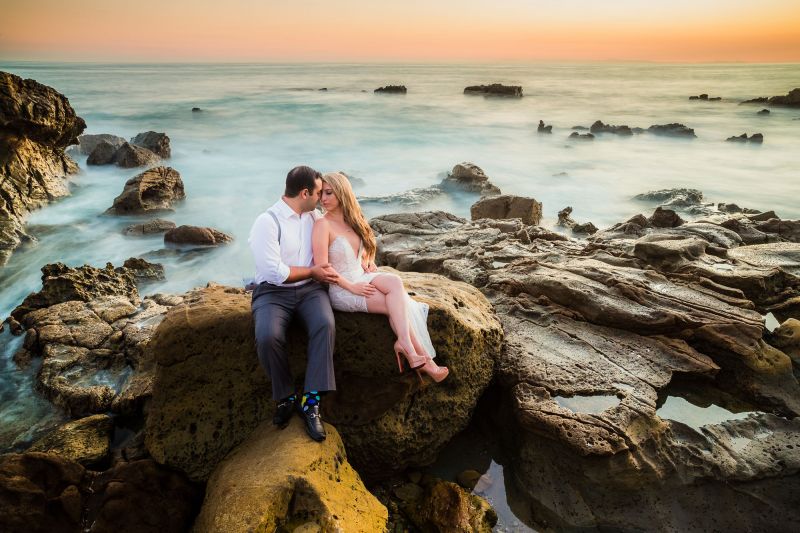
- Foreground Interest: Include elements in the foreground, like rocks, shells, or driftwood, to add depth to your images.
4. Experiment with Exposure
- Exposure Bracketing: Take multiple shots at different exposures to ensure you capture the best possible image.
- Long Exposures: Use a slow shutter speed to capture the motion of waves, creating a silky, smooth effect on the water.
5. Consider the Weather
- Clouds: Cloudy skies can add drama and texture to your photos. They can also act as natural diffusers for the sunlight, providing softer light.
- Clear Skies: On clear days, you can capture vibrant blue skies and sharp contrasts.
6. Protect Your Gear
- Weather-Sealed Gear: Use weather-sealed cameras and lenses if possible to protect against sand and saltwater.
- Protective Cover: Use plastic covers or waterproof bags for extra protection, especially if you’re shooting near the water.
7. Capture Candid Moments
- People: Include people in your shots to add a sense of scale and to capture candid moments of beach activities.
- Wildlife: Be on the lookout for birds, crabs, or other wildlife that can add interest to your photos.
8. Utilize Reflections and Silhouettes
- Reflections: Look for reflections in wet sand or shallow water to add an artistic element to your photos.
- Silhouettes: Shoot against the light (backlighting) during sunrise or sunset to create striking silhouettes.
9. Post-Processing
- Enhance Colors: Use editing software to enhance the natural colors of the beach, but avoid over-saturating.
- Crop and Straighten: Make sure the horizon is straight and consider cropping to improve composition.
- Adjust Exposure: Fine-tune exposure settings to ensure your images are well-balanced.
10. Be Creative
- Angles: Experiment with different angles and perspectives. Get low to the ground or shoot from a higher vantage point.
- Abstract Shots: Focus on textures and patterns in the sand, water, and other natural elements for abstract compositions.
By following these tips and experimenting with different techniques, you can create stunning and memorable beach photographs.