Best headphones for video editing in 2022

There will always be a place for high-end headphones for video editing in a videographer’s workflow. But now more than ever, video editing is done on the go. Because of this, we need great headphones to complement our mobile setups. As our workloads extend and diversify, we also expect more from a pair of cans. Video professionals often use the same headphones to monitor recordings in the field, edit shots in shared workspaces, and even sign off on final mixes from our homes.
Prosumer headphones often blur the boundaries with the studio headphone market creating a confusing cloud of frequency response charts, ohm ratings, noise-canceling technologies, and wireless options. That’s before we consider comfort, weight, and ergonomics for a piece of gear we’ll be strapping to our heads for hours at a time. It’s a complex picture even for the most audio-savvy videographers, so we’re here to help find the best headphones for video editing that suit your needs and budget.
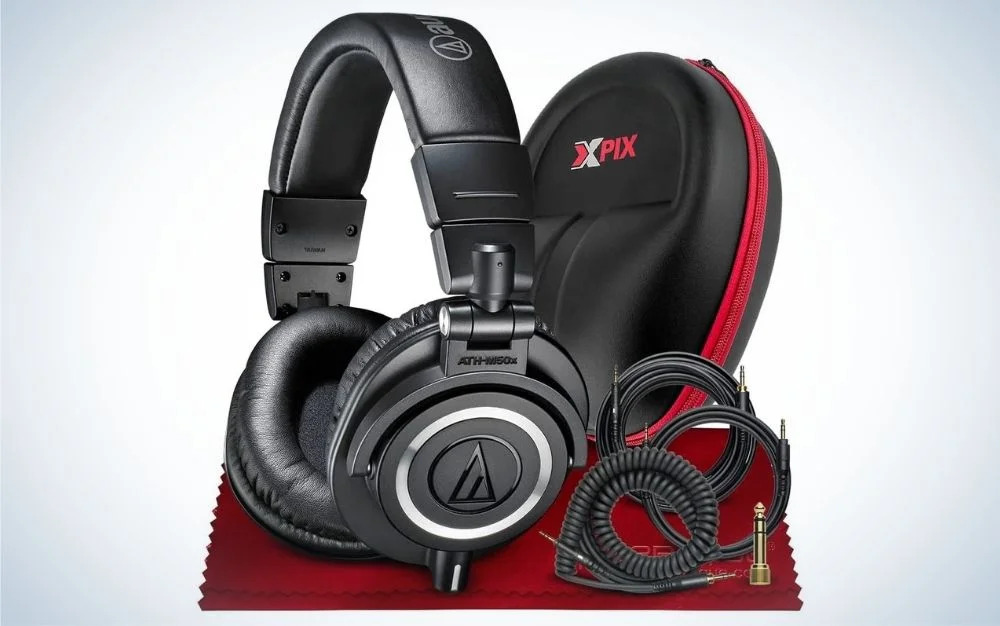
- Best overall: Audio-Technica ATH-M50X
- Most comfortable: Beyerdynamic DT 770 PRO
- Best wireless: Sony WH-1000XM4
- Best on-ear design: Sennheiser HD25
- Best under $100: Sony MDR-7506
- Best open back: Beyerdynamic DT 990 PRO
- Best budget: Beyerdynamic DT 240 Pro
Things to consider before buying headphones for video work
It’s easy to read a brand’s website describing their headphones and think that frequency range and ohm ratings are the most important factors when choosing a product. This technical data, however, rarely makes a difference in day-to-day use.
Frequency range
Frequency range tells you how low a rumble and how high a squeal the headphones can reproduce. It is measured in Hertz, which just means the cycles per second of a sound wave. Most humans with good hearing can hear from 20 Hz all the way up to around 20,000 Hz. Many headphones can reproduce frequencies well above and below this. While this is interesting information to know, you simply won’t be able to hear the added frequency range. Instead, look for headphones with good transparency and accuracy across the frequency ranges you’ll be using.
Ohm ratings
Ohm ratings are slightly more complicated but, in short, refer to the current drawn from the headphone amplifier in your audio interface, laptop, or smartphone. While most headphones will work with most amplifiers, pairing the right headphones with the right amplifier can improve volume and clarity. Lower Ohm ratings around 32-35 ohms will work best with smartphones and laptops, while ratings around 250 ohms should only be used with audio interfaces or dedicated mixers. 80 ohm headphones are good all-rounders for those who work between studio settings and mobile devices.
Comfort is king
When considering different headphone options, we can’t overstate the importance of comfort and durability. Performance, clarity, fidelity, and response count for nothing if you’re not happy wearing a certain pair of headphones throughout the working day for years to come. Many creatives develop a long-term relationship with a model of headphones, investing hours in getting to know its unique frequency curve and working confidently from the audio reference it provides. This kind of insight is only possible with a pair of headphones that fit well with your physical features and meet your comfort preferences.
Open-back or closed-back
You’ll see headphones described as being either open or closed-back. These terms refer to if there are holes in the back of the headphone enclosure that allow the drivers to move more freely. Open-backed headphones generally don’t suffer from an undesired low-frequency boost that can occur in closed-back models. They are also often described as clearer sounding. However, they provide little to no isolation from ambient noise and sound louder to the people (or microphones) around you. On the other hand, closed-back headphones are much less likely to annoy your co-workers and can provide great isolation from ambient noise. They also tend to be more durable as there are fewer places for dirt and moisture to get into the ear cups and affect the drivers.
Wireless
Whether or not wireless operation is important to you will be a matter of personal taste. While yesteryear’s Bluetooth headphones often suffered from weight and battery life issues, these problems have largely been solved across the market. Almost all models now come in at a similar weight to their wired counterparts. And, battery life can last well over what a heavy user would expect throughout the day. Read More...