Understanding Shutter Speed in Photography
-
 Loading...
 - Mueni Mutunga
- 01 Jun 2023
- 64 Views
- 0 Like
- 0 Comment
Are you passionate about photography? Do you want to capture stunning images that freeze moments in time? One crucial element in photography is understanding shutter speed. The right shutter speed can make the difference between a blurry mess and a sharp, captivating image. In this article, we will delve deep into the world of shutter speed, demystifying its concept and exploring its impact on your photographs. So, grab your camera, buckle up, and let's embark on an exciting journey of understanding shutter speed in photography!
What is Shutter Speed?
Before we dive into the technicalities, let's start with the basics. Shutter speed refers to the duration of time that the camera's shutter remains open, allowing light to enter and hit the camera sensor. It is measured in seconds or fractions of a second, such as 1/500, 1/100, or 1/30. Essentially, it determines how long your camera's sensor is exposed to light when you press the shutter button.
How Does Shutter Speed Work?
Understanding how shutter speed works is crucial to capturing the perfect shot. When you press the shutter button, the camera's shutter opens, allowing light to reach the sensor. The duration for which the shutter remains open determines how much light enters the camera. A faster shutter speed, such as 1/1000, allows less light to enter, resulting in a shorter exposure time. On the other hand, a slower shutter speed, like 1/30, lets in more light, resulting in a longer exposure time.
Factors Affecting Shutter Speed
Several factors influence the selection of the appropriate shutter speed for your desired shot. Let's take a closer look at some of these factors:
1. Lighting Conditions
Lighting plays a vital role in photography, and it significantly impacts your choice of shutter speed. In bright conditions, such as on a sunny day, you would typically use faster shutter speeds to avoid overexposure. In low-light situations, like during sunset or indoors, slower shutter speeds may be necessary to allow more light into the camera.
2. Subject Motion
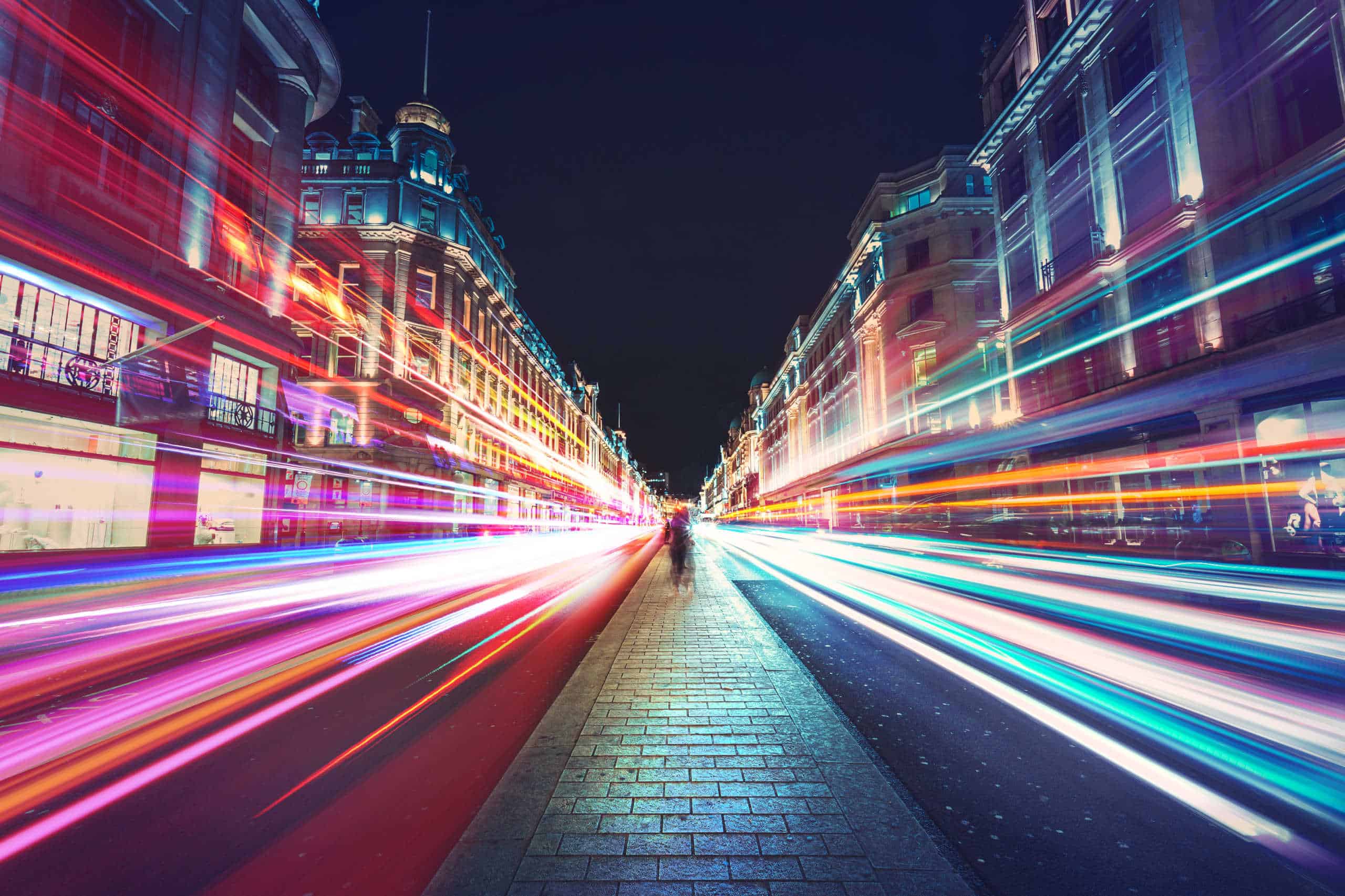
The speed at which your subject is moving is another crucial factor to consider when setting your shutter speed. If you want to freeze action and capture crisp details, you'll need a fast shutter speed to minimize motion blur. Conversely, if you're looking to convey motion or create artistic effects, using a slower shutter speed can result in intentional blur, emphasizing movement.
3. Camera Stability
Keeping your camera steady is vital for capturing sharp images. Even the slightest camera shake can lead to blurry photos. When using slower shutter speeds, it becomes even more crucial to stabilize your camera, either by using a tripod or bracing yourself against a solid surface. This ensures that only the intended movement is captured in your photo.
4. Desired Depth of Field
The depth of field refers to the range of distance in an image that appears sharp and in focus. Shutter speed indirectly affects the depth of field by influencing the aperture settings. If you desire a shallow depth of field, where the subject is in focus while the background is blurred, using a wider aperture and faster shutter speed can achieve this effect.
FAQ
Now that we have covered the basics, let's address some common questions about shutter speed in photography:
1. What is the relationship between shutter speed and exposure?
Shutter speed directly affects the exposure of your photo. A longer shutter speed allows more light into the camera, resulting in a brighter image. Conversely, a shorter shutter speed limits the amount of light entering the camera, resulting in a darker image.
2. How can I freeze motion in my photos?
To freeze motion, you need to use a faster shutter speed. The exact speed will depend on the speed of your subject. For fast-moving objects or sports photography, you may need a shutter speed of 1/500 or faster. Experiment with different speeds to find the optimal setting for your specific situation.
3. What is the "bulb" mode on my camera?
The bulb mode is a feature found in many cameras that allows you to manually control the duration of the exposure. When using bulb mode, the shutter remains open as long as you press the shutter button. This is especially useful for long exposures, such as capturing star trails or light painting.
4. Can I adjust the shutter speed on my smartphone camera?
Many smartphones offer manual camera controls, allowing you to adjust settings such as shutter speed. However, the available options may vary depending on the device and camera app you are using. Explore the camera settings on your smartphone to see if you can manually control the shutter speed.
5. How can I create motion blur in my photos?
To create motion blur, use a slower shutter speed and intentionally move the camera or follow the movement of your subject. This technique is often used in sports photography or to convey a sense of motion in a scene. Experiment with different shutter speeds and movements to achieve the desired effect.
6. What is the best way to practice and improve my understanding of shutter speed?
The best way to improve your understanding of shutter speed is to grab your camera and start experimenting. Test different shutter speeds in various lighting conditions and with different subjects. Pay close attention to the results and analyze how the different settings impact your images. Practice makes perfect, so keep shooting and challenging yourself!
In conclusion, understanding shutter speed in photography is a fundamental skill that every photographer should master. It allows you to control the exposure, freeze or convey motion, and create captivating images. By considering factors such as lighting conditions, subject motion, camera stability, and desired depth of field, you can confidently select the appropriate shutter speed for each shot. So, go out there, explore the world through your lens, and embrace the power of shutter speed to unlock your creative potential!