8 Tips to Take Your Real Estate Photography to the Next Level
-
 Loading...
 - Frieda Wagner
- 01 Jun 2023
- 59 Views
- 0 Like
- 0 Comment
Real estate photography presents a lucrative opportunity for aspiring photographers looking to enter the field. It requires minimal initial investment, as you can begin with basic equipment. There's no need for extravagant lenses or specialized gear, apart from a reliable tripod.
Developing good interpersonal skills and establishing rapport with realtors can lead to a steady stream of income. Interested in delving deeper? Here are some valuable tips to enhance your real estate photography skills:
Dedicate Time to Property Exploration
This step is crucial and should not be overlooked. If you rush through photographing a property within a short timeframe, the resulting images will reflect that. Take the time to thoroughly explore the property, noting its unique features that you want to highlight. Is there a hidden wood-fired oven in the backyard? Such distinctive elements are worth capturing in your photos.
Walk through each room, experimenting with different angles and perspectives. By doing so, you'll have the flexibility to reschedule if the lighting conditions aren't favorable at a particular time of day.
Utilize a Wide-Angle Lens
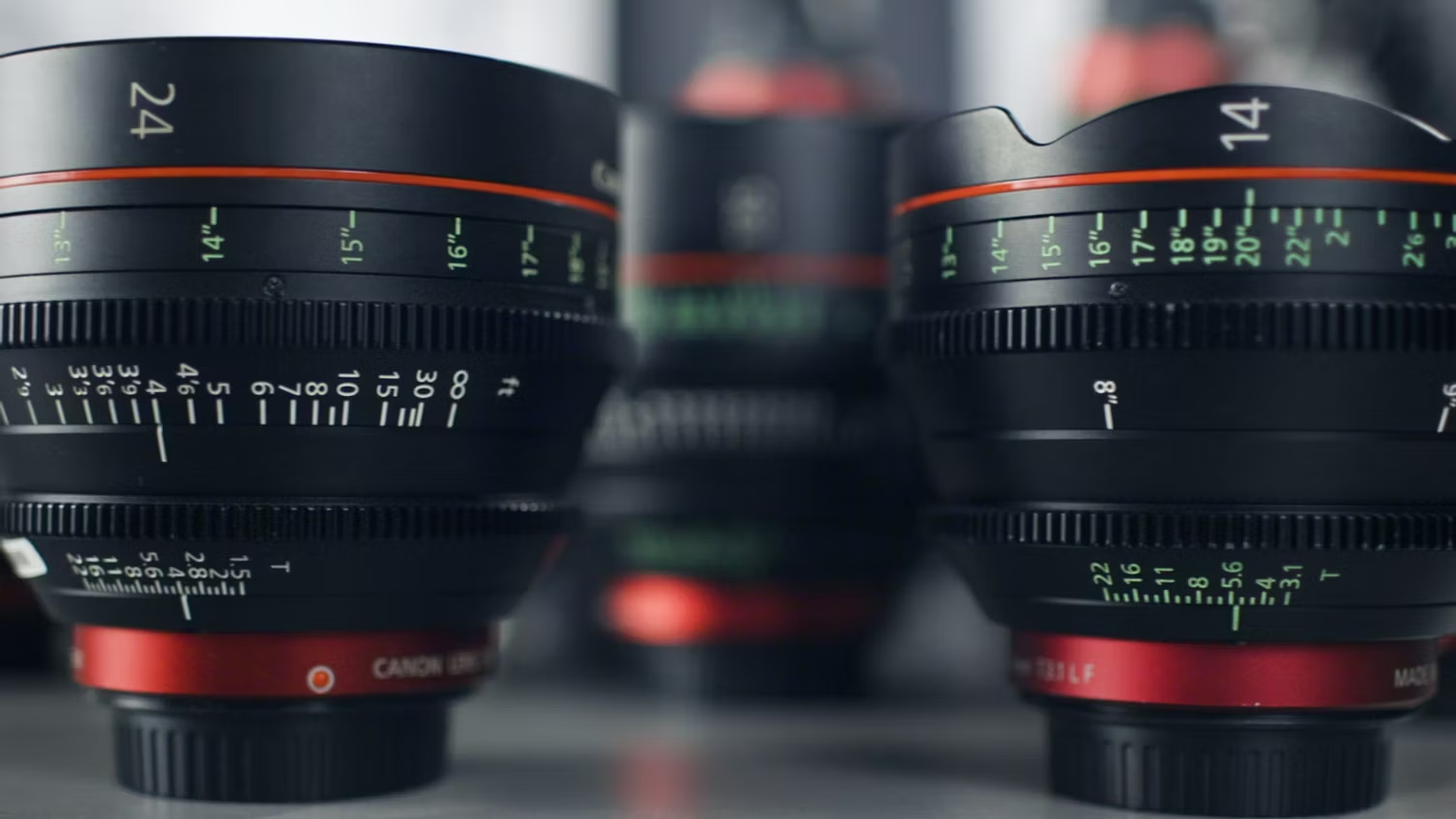
Your standard kit lens may not suffice when photographing small bedrooms or kitchens. Instead, opt for a wide-angle lens to capture the entirety of the room. For crop sensor or APS-C cameras, consider a 10-20mm lens, while full-frame cameras can benefit from a 14-24mm or 16-35mm lens.
Wide-angle lenses come in various price ranges, including third-party options that can be more affordable than brand-name counterparts. These lenses allow you to capture the entire room in one shot, providing a more realistic representation without the feeling of confinement.
Establish Connections with Realtors
While your primary role as a real estate photographer may be to showcase and sell the properties you photograph, it's essential to think beyond individual properties and focus on building relationships with realtors. Realtors can serve as a reliable source of future photography assignments. If you're already working with property owners, try reaching out to realtors to expand your pool of potential properties to photograph.
Optimize Shooting Angles
Capturing the entire room in a photograph can be challenging if you shoot straight on. To overcome this obstacle, position yourself in a corner of the room to achieve a comprehensive view. This angle often reflects the perspective of someone entering the room. While there may be exceptions to this rule, shooting from corners generally yields favorable results.
For instance, if the property features a corridor or galley layout kitchen, shooting straight through it may offer a better view than shooting from a corner. On the other hand, a corner view can enhance the aesthetics of kitchens with islands or L-shaped layouts.
Emphasize Key Features
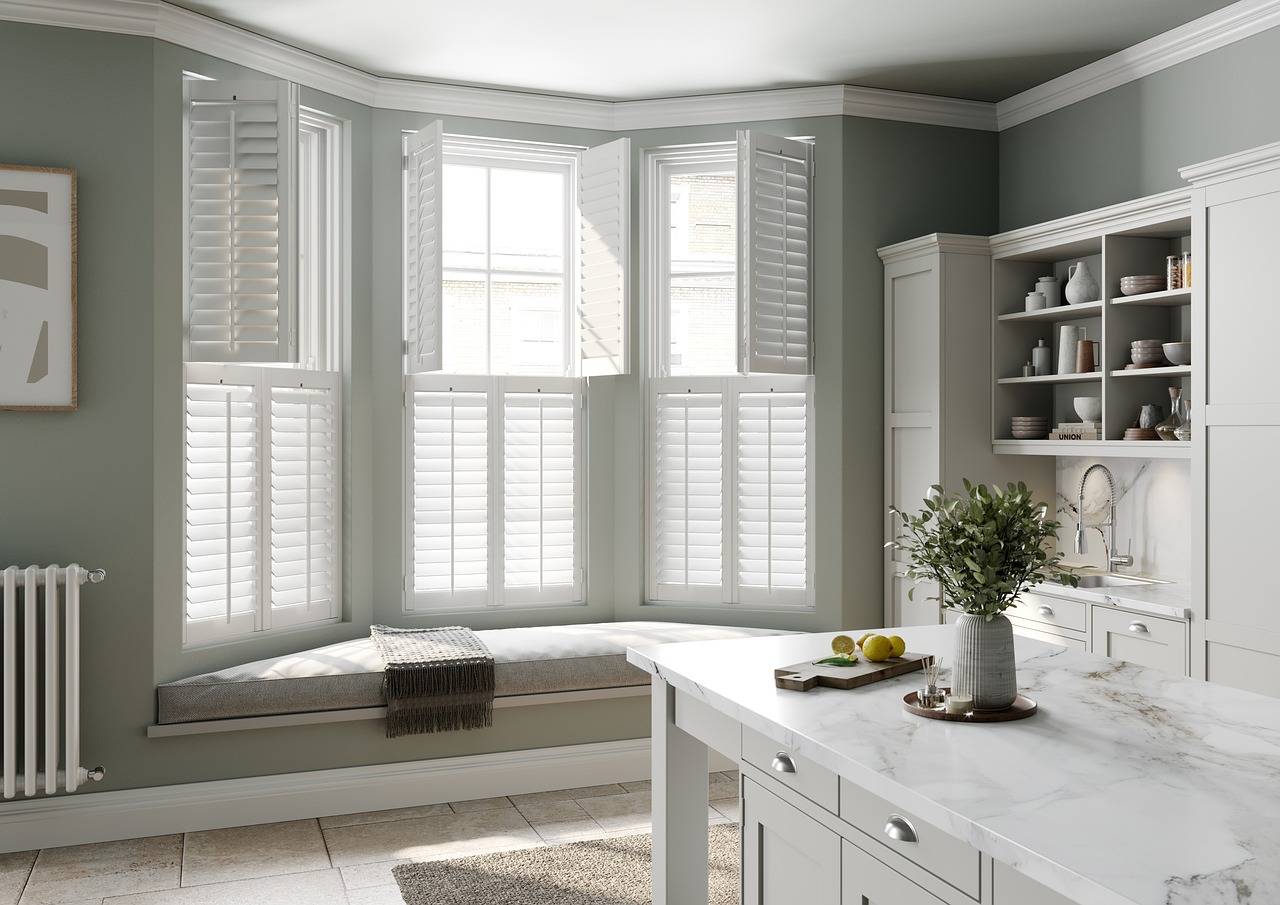
In addition to photographing each room in the property, focus on capturing its standout features. For example, if the property boasts modern appliances, ensure you include relevant pictures. Similarly, if the kitchen or bathroom features granite, marble, or quartz counters, take some close-up shots to highlight their appeal.
Additionally, make an effort to capture any unique or high-end accessories present in the property, as these can significantly enhance its selling price. Including photos that complement the property's description adds an extra touch of visual appeal.
Experiment with HDR Technique
The dynamic range of your camera is limited compared to what the human eye perceives. When shooting in natural light, you can rely on editing software to bring out details in both the shadows and highlights. The HDR (High Dynamic Range) technique can help you achieve this desired outcome. While it requires time and practice, it's not overly difficult to master. Your camera and editing software will assist you in this process.
You can employ the HDR or exposure bracketing technique by taking a series of photos that are underexposed, overexposed, and correctly exposed. Subsequently, you can merge these images using editing software such as Photoshop.
Incorporate Artificial Lighting
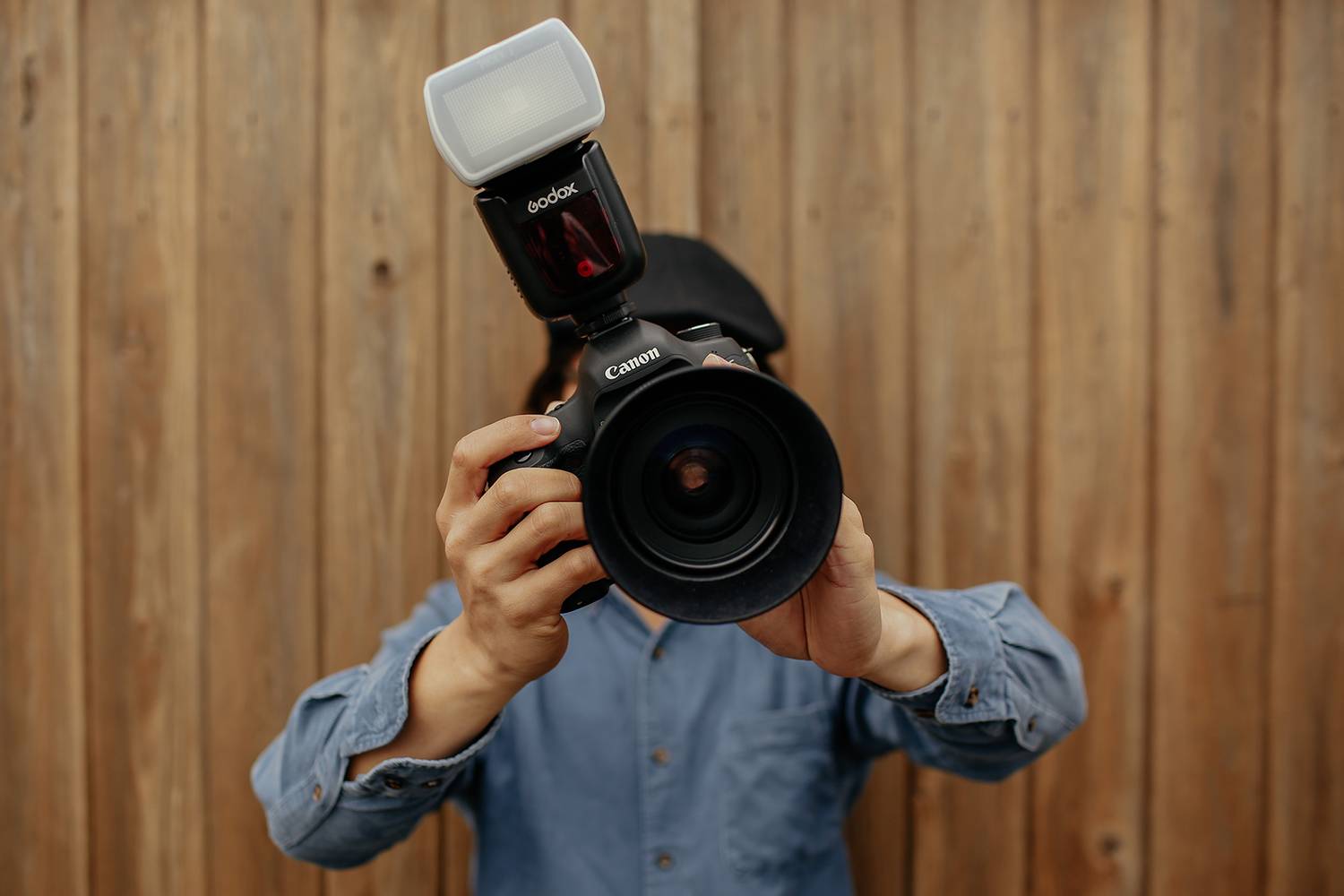
While natural light is often sufficient for most properties, you may come across houses with elongated rooms where the far corners lack adequate lighting. In such cases, introducing artificial lighting is crucial to illuminate the space effectively.
Expensive strobes are not necessary for this purpose; a compact speedlight will suffice. Depending on the room's size, you may need to use multiple speedlights. Carry two or three speedlights with you, but consider affordable third-party options from brands like Godox or Neewer. These alternatives are budget-friendly and perform admirably.
Depending on your camera model, you may also need to purchase a flash trigger and receiver for your flash. Before making any investments, conduct thorough research on different models and price ranges.
Learn the Flambient Lighting
Technique While HDR photos generally work well in most scenarios, they can sometimes appear artificial. Achieving natural-looking photos with accurate white balance in mixed-lighting conditions, which combine natural light and speedlights, can be challenging.
To address this issue, you can explore the flambient lighting technique. This method involves capturing the same images using both flash and natural light and subsequently merging them in Photoshop to achieve a natural aesthetic.
Keep in mind that flambient lighting requires more time and has a steeper learning curve. If you're interested in delving deeper into this technique, refer to our comprehensive guide on flambient lighting in real estate photography.
Elevate Your Real Estate Photography with the Right Tools and Techniques The demand for real estate photography remains high, particularly in bustling cities. It is a genre that can quickly evolve into a thriving business, requiring only a modest initial investment. Begin your journey today with a basic crop sensor DSLR and an affordable wide-angle lens.
Establish connections with realtors and expand your skill set to include artificial lighting techniques. By doing so, you'll set yourself up for success, witnessing the growth and prosperity of your real estate photography business.